Feeling a little down as winter rolls in? You’re not alone. Lots of people get hit with the winter blues, and it can be a real drag.
But here’s a cool thing to know: light therapy might just be your new best friend. Seriously, it’s all about using light to lift your mood.
Imagine waking up on those gray days and actually feeling pretty good. Sounds nice, right? It’s like bringing a slice of sunshine into your world—even when it’s snowing outside!
So, let’s chat about light therapy and how it can brighten those chilly months. You might find that winter doesn’t have to feel so heavy after all!
Exploring the Effectiveness of Light Therapy for Alleviating Winter Blues
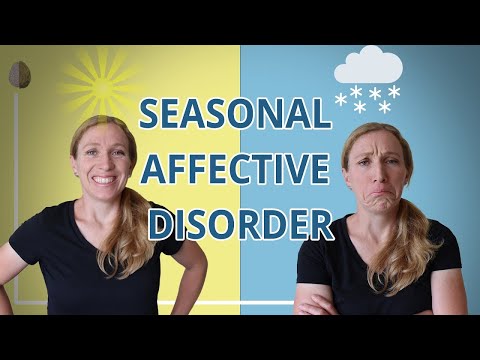
Winter blues, or Seasonal Affective Disorder (SAD), can really put a damper on your mood. It’s that feeling of heaviness that creeps in as daylight fades. So, how can you shake off those wintery vibes? One popular method to combat these feelings is light therapy.
Light therapy basically involves exposure to bright light, simulating the natural sunlight you miss during those dark months. This technique is usually done with a special light box designed to emit doses of bright light without the harmful UV rays.
The idea behind it is pretty simple: our bodies react to light. When the days get shorter and darker in winter, your brain may not produce enough serotonin—often called the happiness hormone—leading to low energy and mood swings. That’s where light therapy comes in! By shining a bright light in your eyes for about 20-30 minutes each morning, you might help your body kickstart its natural rhythms.
How effective is it?
- Research shows that about 60 to 80% of people with winter blues find relief through light therapy!
- The typical response time is roughly one week; however, some may feel better sooner.
- Patients generally report improved moods, better sleep patterns, and increased energy.
Now imagine this: Sarah always struggled with feeling down when winter rolled in. She didn’t want to hibernate all season! After trying out a light box for a few weeks every morning while sipping her coffee, she noticed she felt more awake and less moody. It was like someone flicked a switch on her energy levels!
It’s important to note that not all lights are created equal. Light boxes should emit at least 10,000 lux (the measurement of luminance) and be positioned at eye level. You want that brightness without risking damage to your eyes, so check for those specs before making a purchase.
Apart from just sitting under the box, incorporating other healthy habits could also amplify the benefits of light therapy. Regular exercise boosts serotonin too! Eating well, staying social, and even getting outside during daylight hours can further enhance how you feel throughout those dreary months.
Is there anybody who should avoid it?
- If you have certain eye conditions or any history of bipolar disorder, consult a professional before starting treatment.
- Side effects can include headaches or eyestrain but usually go away after some use.
In the end, if you’re feeling the weight of winter blues creeping up on you each year, perhaps it’s time to consider giving light therapy a shot! While it might not be an instant fix for everyone out there battling SAD or just seasonal slumpiness—it could be just what you need to brighten up those gloomy days!
Top Light Therapy Options for Combatting Winter Blues
Winter can be a real drag sometimes, can’t it? The days are shorter, the skies are gray, and your mood might take a dip. Ever heard of light therapy? It’s a pretty intriguing approach for those pesky winter blues. It basically mimics natural sunlight to help boost your mood.
So, here’s the thing: when it gets all dark and dreary outside, some people’s bodies don’t quite get enough sunshine. This can mess with your sleep-wake cycle and lead to feelings of sluggishness or sadness. Light therapy gives you that extra dose of light—kind of like a mini-sun in your house!
You might be wondering about the different types of light therapy options out there. Well, let’s break them down:
- Light Boxes: These are probably the most common tools for light therapy. They’re bright lamps designed to emit light that simulates natural sunlight without the harmful UV rays. You sit near it for about 20 to 30 minutes each day.
- Light visors: Think of these as portable light boxes you wear on your head! They’re less common but super convenient if you’re always on the go.
- Dawn simulators: These wake-up lights gradually increase in brightness over time—like a sunrise! It can really help you wake up easier and feel more energized.
- LED devices: Some people use LED lights that are specifically designed for mood enhancement. You might find these handy if you want something smaller and more versatile.
Now, if you’re thinking about trying this out, make sure you choose a device that gives off 10,000 lux, which is pretty much the standard amount needed for effective treatment. You wanna avoid anything that’s just not bright enough to make an impact.
When we talk about benefits, one study showed that after just a few weeks of consistent use with light boxes, many folks noticed significant improvements in their mood. That’s kind of what makes this so appealing—you could potentially brighten up those winter days!
But hey, remember to consult with your healthcare provider before diving in. Light therapy isn’t for everyone; some people may experience side effects like eye strain or headaches.
In essence, giving yourself that burst of brightness during gloomy months could make a world of difference! So if winter has got you down lately, consider checking out some of these light therapy options to help lift your spirits a bit during those dark days ahead.
The Impact of Light Color on Depression: Discovering the Best Options for Mood Enhancement
Light color can seriously mess with your mood, especially if you’re dealing with something like depression. If you’ve ever felt the winter blues creeping in, you know what I mean. On those gloomy days when the sun barely peeks out, our spirits can really take a hit. But here’s something cool: different colors of light can actually help lift your mood.
Let’s break it down.
Bright Light vs. Dim Light
First off, think about how bright light makes you feel more awake and energetic. That’s not just in your head! Bright lights suppress melatonin, which is that sleepy hormone your body loves to kick out at night. When it’s dark, melatonin ramps up, making you feel sluggish and down in the dumps. So, adding more brightness to your day could keep that sleepy feeling at bay.
Color Matters
Now onto colors! Different colors can affect our emotions in various ways. Here are a few key points to consider:
There was this study where participants exposed to bright white light reported feeling more energized and less depressed compared to those stuck in dim lighting. It’s like a shot of positivity!
Light Therapy
One of the biggest tools people use for beating seasonal depression is **light therapy**. It usually involves sitting near a bright light that mimics natural sunlight for about 30 minutes each morning. Those special lamps are designed to give off primarily white or blue light—perfect for tricking your body into thinking it’s summertime!
Why does this work? Well, it seems that exposure to bright light affects brain chemicals linked with mood regulation—like serotonin—that can help reduce feelings of depression.
The Role of Sunlight
Let’s not forget about good old sunlight! Natural sunlight not only provides essential Vitamin D but also helps boost serotonin levels—which is why spending time outside on sunny days feels so good.
But here’s where it gets tricky: during winter months or cloudy seasons, we get less sunshine than we need throughout the day; that’s where colored lights come into play doing their magic.
So if you’re battling those winter blahs or finding yourself down for no reason at all, consider playing around with different types of lighting at home or maybe getting yourself one of those nifty light therapy lamps.
In short: Flooding your space with warm colors, like yellow or bright whites during darker seasons could work wonders for brightening up your mood—even when the sun’s hiding away!
Winter can be a drag, right? The days are short, the sun seems to hide behind clouds all the time, and honestly, it can really mess with your mood. I mean, I remember a couple of winters where I totally felt like a zombie. Everything just seemed gray and dull. You know that feeling when you wake up, and it’s still dark outside? It just makes you want to crawl back into bed.
So, here’s where light therapy comes in. Basically, it’s like giving your brain a little boost of sunlight when it’s not around. You sit in front of this bright light box for about 20 to 30 minutes each day. It mimics natural sunlight which can help kick your mood into gear during those dreary winter months.
What’s kind of interesting is that our bodies have this internal clock—circadian rhythm—that gets thrown off when there’s less natural light. That can lead to feelings of sadness or even anxiety. It’s pretty wild how much the environment affects how we feel, huh? Bright light can help reset that biological clock and gives our minds that needed jolt.
People often talk about how they feel more energetic and focused after trying light therapy. I’ve read some stories about folks who were so down during winter but found comfort in this simple act of sitting by a light box. They described it like stepping out into the sun after being cooped up inside for too long—it just lifts your spirits!
Of course, it doesn’t work for everyone, but maybe that’s because everyone has different vibes when it comes to what cheers them up. For some people, it’s going outside for a brisk walk even if it’s cold; for others, it’s curling up with a good book by a warm fire.
In the end, whether you choose light therapy or another way to brighten your mood during those dark winter months, finding what works for you is key! Just remember—you’re not alone in feeling those winter blues; many people get them too! Exploring little things that make you feel lighter can really make all the difference. And sometimes all you need is a bit more light in your life!