You know those gray, gloomy days when you feel like all the energy’s been sucked outta the world? Yup, we’ve all been there. It’s like winter just drags on forever, and your mood goes right down with it.
But hey, what if I told you there’s a way to bring some sunshine back into your life, even when the skies are as dull as they can be?
That’s where seasonal light therapy comes in. Sounds fancy, but it’s really just a simple idea: using light to lift your spirits. Pretty cool, right?
So let’s chat about why this works and how you can totally brighten up those heavy months. You might just find that a little extra light could change everything!
Exploring the Efficacy of Light Therapy for Seasonal Affective Disorder
Seasonal Affective Disorder (SAD) is a type of depression that occurs at certain times of the year, most commonly in winter when there’s less natural sunlight. You know that feeling when it’s dark out at 4 PM? Yeah, it can really bring you down. Some people experience symptoms like fatigue, changes in sleep patterns, weight gain, and just a general sense of hopelessness. It’s like your mood gets trapped in a perpetual gray sky.
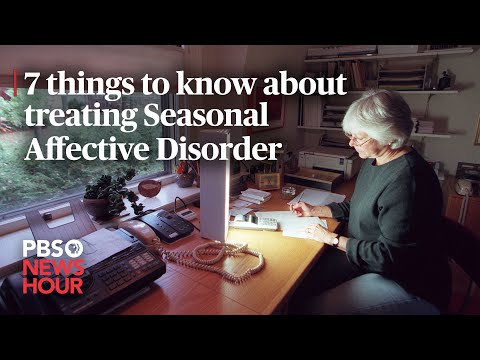
Now, onto light therapy. This treatment involves using a special light box that mimics natural sunlight. The idea behind it is pretty simple: bright light can help regulate your body’s internal clock and boost mood-related chemicals in the brain. Basically, it tricks your brain into thinking it’s getting more sun than it actually is. Kind of genius, right?
When considering the efficacy of light therapy for SAD, researchers have gathered a lot of interesting data. Many studies show that sitting in front of a light box for about 20-30 minutes each day can significantly improve symptoms. It’s often recommended to do this first thing in the morning to align with your body’s natural rhythms.
Here are some key points about how light therapy works:
- Melatonin regulation: Light exposure helps lower melatonin levels which usually rise at night and make you sleepy.
- Serotonin boost: Bright light exposure can increase serotonin levels—this is the feel-good chemical in our brains!
- Cognitive function: People often report improved focus and clearer thinking after consistent use of light therapy.
- No side effects: Unlike some medications for depression, light therapy generally has fewer side effects, making it an attractive option for many.
But here’s the thing: while many folks find relief from their SAD symptoms through light therapy, it doesn’t work for everyone. Some might not feel any change or could even experience headaches or eye strain if they overdo it—or if the box isn’t set up correctly.
It’s also important to choose the right kind of light box. You want one that filters out UV rays and delivers about 10,000 lux (that’s a measurement of brightness) for maximum effect. Doing your homework on what works best for you is crucial; there’s a ton of info out there!
In summary, while light therapy isn’t a cure-all miracle solution for everyone with SAD, many people do find significant relief through this approach. It taps into our natural responses to light and helps us shake off those winter blues—like bringing sunshine into your living room when outside feels perpetually gloomy! If you’re considering giving it a shot, maybe chat with someone who understands seasonal mood changes and explore what might work best for you!
Optimal Timing for Using a SAD Lamp: When to Start for Seasonal Affective Disorder Relief
When it gets all gray and gloomy outside, it’s not just the weather that changes. For a lot of folks, that shift can feel like a weight pressing down on them, leading to what we call Seasonal Affective Disorder (SAD). If you’re one of those feeling a little down during the darker months, a SAD lamp might just be your new best friend. But the question is: when’s the optimal time to use it?
SAD lamps, or light therapy boxes, mimic natural sunlight. They’re typically bright—around 10,000 lux—which can help step up your mood. So, you want to get the timing right for maximum benefit.
- Morning Usage: Most experts recommend using your SAD lamp in the morning. Think about it like this: when you wake up and see the sun shining (or at least something close), your brain gets a signal that it’s time to be awake and alert. Using the lamp in the morning can help kickstart that process.
- Duration: Aim for about 20 to 30 minutes of exposure daily. Too little won’t cut it, but keep an eye on how you’re feeling—some people might need more time initially before dialing back.
- Consistency: It’s all about making this part of your routine! The more consistent you are with using the lamp every day, the better your chances of seeing improvements.
A practical example: let’s say it’s November, and every morning feels like waking up in a cave. Setting aside 30 minutes with your lamp while sipping coffee or reading helps lighten that mood! You’ll be amazed at how integrating this into familiar routines makes everything feel less daunting.
Start Early: The best time to start using a SAD lamp is usually around fall when days start getting shorter. If you’re already feeling those blues creeping in as summer fades away, don’t wait! Getting ahead of it gives you a better chance at managing symptoms before they escalate.
If you notice changes in your sleep patterns or if cloudy skies seem to stick around indefinitely, jump on that light therapy bandwagon early—no reason to suffer unnecessarily!
The thing is, everyone’s response is different. You might find some days more challenging than others. So listen to what works for you; adjust timing or duration if needed. And seriously? Don’t hesitate to chat with someone if things aren’t improving; sometimes extra support makes all the difference.
Your mental well-being should take top priority, especially when those winter blues hit hard! With optimal timing and consistent use of a SAD lamp, brighter days could be just around the corner—even if they’re softly glowing from inside your living room!
Exploring the Mood Disorder Most Responsive to Light Therapy: A Comprehensive Analysis
So, let’s talk about mood disorders and **light therapy**. You might have heard of it, especially when the winter days get all gloomy. Most people, when they think of light therapy, usually connect it to **Seasonal Affective Disorder (SAD)**. So yeah, here’s the scoop.
What is Seasonal Affective Disorder?
SAD is like a mood rollercoaster that takes you down during fall and winter when there’s less natural light. It feels different from just feeling “a bit blue.” Imagine waking up in darkness and getting home from work in darkness too. It drains your energy and optimism! People with SAD might feel sluggish, irritable, or even sad for days on end.
Why does light matter?
Our bodies have this internal clock called the circadian rhythm. It kinda regulates sleep-wake cycles and moods based on daylight exposure. With less sunlight, some folks find their serotonin levels drop. Serotonin? That’s your “feel-good” neurotransmitter! Less sunlight can lead to more melatonin production – that’s the hormone that makes you feel sleepy.
How does light therapy work?
Basically, light therapy involves sitting near a special light box that mimics natural sunlight. It’s bright—really bright! You typically use it for around 20 to 30 minutes each day, often in the morning to help reset your body clock. The idea is to get that boost of brightness right when you need it!
Who benefits from it?
While SAD is the poster child for light therapy, other mood disorders can also respond positively. Some people with non-seasonal depression might find relief through this method too. It’s not a miracle cure but can be an effective part of a broader treatment plan.
Anecdote alert!
I know someone who struggled with SAD for years—she dreaded winter like it was her job! After a friend suggested trying light therapy, she was skeptical but gave it a shot anyway. Within weeks, she noticed she was more energetic and cheerful even during those dark days.
Cautions with light therapy
But hey, it’s not all sunshine and rainbows! Not everyone responds well; some might experience headaches or eye strain from those bright lights. Always best to chat with a healthcare professional before diving into treatment options.
The takeaway
So if you’re feeling down as the days grow shorter or know someone who does, remember that light therapy might just be worth exploring – especially for Seasonal Affective Disorder. It’s one bright option in tackling those dark moods!
You know those gray, gloomy days when all you wanna do is crawl under a blanket and hibernate? Yeah, I’ve been there too. The thing is, there’s a name for that feeling—seasonal affective disorder (SAD). It’s like when winter comes along and steals the sunshine from your soul. But did you know there’s this cool thing called light therapy that can help brighten your mood?
So here’s how it works. You sit in front of a special lamp that mimics natural sunlight for about 20 to 30 minutes a day. Sounds simple, right? But seriously, it can make a huge difference for folks who struggle with the winter blues or just feel low during certain seasons. It’s thought to mess with your melatonin and serotonin levels—basically hormones that regulate your sleep and mood. When you get more light exposure, it helps kick those mood-lifting chemicals into gear.
I remember chatting with my friend Jake during one particularly dreary winter. He was always so chipper in summer but turned into a bit of a zombie once the leaves dropped. He decided to give light therapy a shot, and let me tell you—it was like watching him come back to life! With just a little daily dose of that bright glow, his energy levels shot up and he seemed way more upbeat.
And here’s something interesting: not everyone reacts the same way to light therapy. Some people absolutely swear by it while others might not notice much at all. It’s kind of like trying out different flavors of ice cream—some love chocolate, some prefer vanilla.
But even if light therapy isn’t a miracle cure for everyone, it does highlight something important about our connection to nature and cycles of life. Sunlight has this magical power over us; it’s not just about vitamin D—it’s about how we feel inside too.
So next time you’re feeling down in the dumps because of the weather, maybe consider spending some time with one of those therapy lamps or even just find ways to soak up whatever natural light you can muster up! Your mood might thank you for it later on!