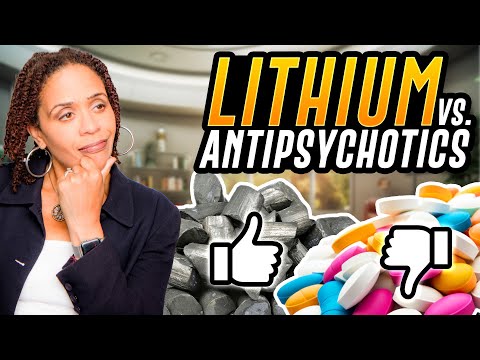
Hey, you know that feeling when your emotions are like a rollercoaster? Up one minute, down the next? That’s pretty much what living with bipolar disorder can be like.
It’s tough, right?
One of the things that can help level things out is a little something called lithium. Yeah, it’s been around for ages. Seriously, it’s like the granddaddy of mood stabilizers.
You might be wondering how it works and why it matters, especially if you or someone close to you is navigating this wild ride.
Let’s chat about lithium and its role in managing bipolar disorder and mental health in general. You might just find some clarity in this crazy world!
Exploring the Benefits and Drawbacks of Lithium Treatment for Bipolar Disorder
Bipolar disorder can feel like a roller coaster ride for many. Imagine swinging from extreme highs, like feeling invincible, to deep lows where getting out of bed feels monumental. It’s pretty wild, right? One of the treatments that has been around for a while is lithium. Let’s break down how it works and what you might expect from it.
What is Lithium?
Lithium is a mood stabilizer that helps to even out those emotional spikes and dips. Doctors often prescribe it to help manage mania and depression in people with bipolar disorder. The way it works isn’t super clear-cut, but it’s believed to affect neurotransmitters in the brain, helping to regulate mood.
Benefits of Lithium Treatment
There are some notable upsides to lithium treatment:
So, let’s say you’re someone who has dealt with intense highs followed by crashing lows. You might notice that after starting lithium, those extremes start to level out; maybe you’re not as prone to impulsive decisions when hypomanic or feeling totally empty when low.
Drawbacks of Lithium Treatment
But nothing comes without a catch, right? There are some downsides worth mentioning:
Imagine you start taking lithium and notice you have a bit of a shaky hand; this could be a side effect. Or maybe you’re constantly running to the bathroom because you’re so thirsty! These things can definitely impact daily life.
The Bottom Line
So basically, lithium can be really effective for managing symptoms of bipolar disorder for many people. It smooths out emotional peaks and valleys and has solid evidence supporting its use over time. However, staying on top of side effects and potential risks is crucial too.
If you or someone close is considering this treatment option—it’s super important to have an open chat with your healthcare provider about everything: the good stuff *and* the not-so-good stuff. That way, you’ll feel more informed about what’s ahead!
Understanding the Side Effects of Lithium for Bipolar Disorder: Risks and Management
Lithium has been a go-to medication for managing bipolar disorder for decades. It helps stabilize mood swings, but like any medication, it comes with its own set of side effects. So, let’s break down what you need to know about the risks and how to manage them.
First off, let’s talk about the common side effects. Many people experience these when starting lithium:
- Nausea: This can kick in when you first start taking it. Sometimes taking it with food helps.
- Weight Gain: It’s not uncommon to pack on a few pounds while on lithium, so keeping an eye on your diet can be key.
- Tremors: You might notice some shakiness in your hands. It can be a bit annoying but usually isn’t serious.
- Thirst and Frequent Urination: Lithium can make you feel like you need to drink more water and hit the bathroom more often.
Now, some folks might experience more severe side effects. These are less common but definitely something to watch out for:
- Kidney Function: Long-term use of lithium can affect your kidneys, so regular check-ups are crucial.
- Thyroid Issues: Some people may develop hypothyroidism while on lithium, which means your thyroid isn’t producing enough hormones.
Managing these side effects is super important. Regular check-ups are a must if you’re on lithium. Doctors usually recommend blood tests to monitor levels and check kidney and thyroid function.
So what do you do if you feel those side effects creeping up? Here’s a few ideas:
- Tweak Your Dosage: Sometimes adjusting the dose can help minimize side effects without losing effectiveness.
- Your Doctor Is Your Friend: Always keep communication open with your healthcare provider about what you’re experiencing.
- Lifestyle Changes: Eating well, staying hydrated, and exercising can make a big difference in how you feel overall.
Let me tell ya—a friend of mine was once prescribed lithium after struggling with mood swings that were all over the place. He had some rocky moments at first—like dealing with tremors that made him self-conscious during presentations at work. But by chatting openly with his doctor and making some small tweaks to his habits (like finding out that he felt better when he stayed really hydrated), he found a balance that worked for him.
In summary, while lithium plays an essential role in managing bipolar disorder, understanding its side effects is vital for effective treatment. Keeping tabs on your health and having regular chats with your doctor will help you navigate through any potential bumps along the way!
Understanding Lithium Medication: Uses, Benefits, and Legal Considerations
Sure, let’s chat about lithium medication and how it fits into the bigger picture of mental health, especially when it comes to bipolar disorder. You might have heard of it in passing or maybe know someone who takes it. Here’s a breakdown.
What is Lithium?
Lithium is a naturally occurring mineral salt. It’s been used for decades in treating various mood disorders. Specifically, it’s most famous for its role in helping people manage bipolar disorder, which is all about those wild mood swings—like feeling super high and then crashing down into deep lows.
How Does Lithium Work?
The exact way lithium works isn’t crystal clear yet. But researchers think it helps balance chemicals in the brain that affect mood and emotions. It seems to stabilize these ups and downs, so you feel more centered.
- It Reduces Mania: When you’re on a manic episode, everything feels intense—think heightened energy and less sleep. Lithium helps bring those feelings down.
- It Can Alleviate Depression: In the depressive phase of bipolar disorder, lithium can help lift your mood.
Benefits of Taking Lithium
So why might someone choose lithium? Well, there are quite a few reasons:
- Efficacy: For many people, lithium works better than other medications for preventing mood swings.
- Long-Term Stability: Taking lithium regularly can lead to fewer episodes over time.
- Mood Regulation: Some folks find their overall emotional state becomes more stable with consistent use.
Now, it’s not all sunshine and rainbows with medication. Some people experience side effects like weight gain, tremors, or increased thirst. These can vary from person to person.
Legal Considerations
When it comes to taking lithium or any medication really, there’s a bit of legal stuff you should know about:
- Prescription Required: You need a qualified doctor’s prescription to get lithium since it’s considered a serious medication.
- Monitoring: Regular blood tests are essential while on this medication because they check your lithium levels and kidney function.
For example, if you don’t monitor your levels correctly, you could risk lithium toxicity—a condition where the drug builds up too much in your system—and that’s no joke!
Also worth mentioning is that not everyone qualifies for this treatment due to certain medical conditions like kidney issues or heart problems.
The Bottom Line
Lithium has been around for ages because it genuinely helps many people live more stable lives amid bipolar disorder’s chaos. Of course, if you’re considering it or are curious about its effects on someone you know, having an open conversation with a medical professional is key! They can guide you through all the ins-and-outs way better than I could here.
Just remember that everyone’s journey with mental health is different. So what works wonders for one person might not fit another. Stay informed and make choices that work best for you!
You know, the whole topic of lithium in managing bipolar disorder is pretty interesting. It’s like this old-school medication that’s been around for decades, and somehow it still plays a huge role in mental health treatment today. Imagine being diagnosed with bipolar disorder — one minute you’re on top of the world, full of energy, and the next you’re deep in a pit of despair. That rollercoaster ride can be exhausting!
Lithium steps in like a trusty sidekick. It helps to stabilize those mood swings. It’s almost like having a supportive friend who knows when to cheer you on and when to help you take a step back. For many people with bipolar disorder, lithium can turn down the volume on those extreme highs and lows, making life feel more balanced.
But it’s not all rainbows and sunshine! Lithium can come with its own set of challenges — I mean, you’ve got to keep an eye on those blood levels because too much lithium can be toxic. I once read this story about someone who was really hesitant about starting lithium because they heard all these horror stories about side effects. But after giving it a shot and working closely with their doctor, they found it made such a difference in their daily life — they actually felt hopeful again.
Plus, there’s this connection between lithium and mental health beyond just bipolar disorder; some studies suggest it might have neuroprotective properties that could help with conditions like depression or even anxiety. So when you’re talking about managing mental health as a whole, lithium seems to tick quite a few boxes.
It’s also worth noting that while many people find relief through medication like lithium, it’s usually not just about popping pills and calling it a day. Therapy, lifestyle changes, social support—those things are super important too. So finding that right balance is key.
The bottom line? Lithium has been around long enough to show us that sometimes the classics still work wonders. It’s all about finding what works best for each person because every individual’s experience is unique!