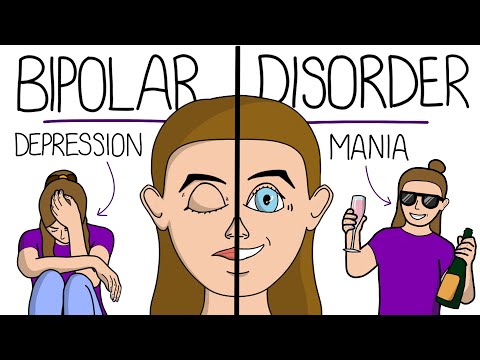
So, let’s talk about something that’s been a game changer for a lot of folks dealing with bipolar disorder. You know how life can feel like a rollercoaster? Well, lithium is kinda like that safety bar that keeps you from flying off the track.
It’s not just some random pill. Lithium has this fascinating role in helping manage those intense ups and downs. Seriously, it’s wild how it can stabilize moods and bring a little more calm to the chaos.
And hey, I get it. There’s so much info out there that can feel overwhelming. But understanding lithium doesn’t have to be complicated or boring! Let’s break it down together and see what makes this little miracle worker tick. Sound good?
Effective Strategies for Managing Bipolar Symptoms: A Comprehensive Guide
Managing bipolar disorder can feel like a wild ride sometimes, right? One day you’re on top of the world, and the next you’re in a deep slump. That’s where effective strategies come into play, especially when it comes to using medication like lithium.
Lithium is a go-to medication for stabilizing mood swings in people with bipolar disorder. It’s been around since the 1970s and has shown to significantly reduce manic episodes. Pretty impressive!
So, how does lithium work? Basically, it helps balance chemicals in your brain that affect your mood. It can take a while to kick in—sometimes weeks—but when it does, many people notice an improvement in their overall mood stability.
Here are some strategies that go hand-in-hand with lithium treatment:
- Stay consistent with medication. Take lithium at the same time every day. Missing doses can throw your system off balance.
- Regular check-ups. You’ll need routine blood tests to monitor your lithium levels. Too much or too little can cause issues, so keeping an eye on those is key!
- Watch your diet and hydration. Lithium affects your kidneys, so drinking lots of water and maintaining a balanced diet is essential. Plus, don’t skip out on foods rich in electrolytes!
- Get enough sleep. Sleep can greatly impact mood stability. Establishing a regular sleep routine helps keep things steady.
- Engage with support networks. Having friends or family who understand what you’re going through makes a huge difference. Sharing experiences can be comforting!
- Avoid substances. Alcohol and drugs can mess with how well lithium works and increase mood swings. Steering clear is important for overall well-being.
You know what else? Lifestyle changes play an enormous role too! Exercise, for example, releases endorphins which are natural mood lifters. Finding activities that bring you joy—like painting or gardening—can offer positive distractions during tough times.
But here’s something more personal: think about Anna’s story (not her real name). She struggled with her bipolar symptoms for years before finding her groove with lithium alongside these strategies. By sticking to her medication and incorporating yoga into her routine, she noticed fewer ups and downs in her moods over time.
Bipolar disorder management isn’t just about medications like lithium; it’s really about creating a holistic approach tailored to what works best for you personally. You’ve got to listen to your body and mind!
Evaluating the Effectiveness of Lithium in Treating Bipolar Disorder: Benefits and Considerations
Certainly! Here’s a breakdown of the effectiveness of lithium in treating bipolar disorder, focusing on its benefits and considerations.
Bipolar Disorder Overview
To kick things off, bipolar disorder is a mental health condition that involves extreme mood swings. You know, from manic highs where you feel invincible to depressive lows that can leave you feeling hopeless. It’s like riding a never-ending emotional roller coaster.
What is Lithium?
Lithium is a mood stabilizer that’s been used for decades to help manage these wild fluctuations in mood. It’s one of the oldest medications in the game, but it’s still widely prescribed because it actually works for many people.
Benefits of Lithium
So, what are the perks of taking lithium? Here are some key points to consider:
- Stabilizes Mood: Lithium helps smooth out those emotional highs and lows. People often report feeling more balanced and less reactive to stressors in their lives.
- Prevents Future Episodes: Regular use can significantly reduce the chance of future manic or depressive episodes. A solid way to keep things under control!
- Long-Lasting Effects: Unlike some other medications, lithium has a long history of success and studies prove its effectiveness over time.
- Low Risk of Addiction: Unlike recreational drugs or even some prescription meds that can be habit-forming, lithium isn’t addictive.
You see? For many folks dealing with bipolar disorder, these benefits make a world of difference.
Considerations with Lithium
Of course, it’s not all sunshine and rainbows. There are important considerations too:
- Side Effects: Some people experience side effects like weight gain, gastrointestinal issues, or tremors. It can feel annoying but talking to your doctor about these issues is key.
- Narrow Therapeutic Range: This means you need regular blood tests to ensure you’re not taking too much or too little—too much can cause toxicity!
- Kidney Function Monitoring: Long-term use requires monitoring kidney function since lithium can affect your kidneys over time.
- Dosing Can Be Tricky: Finding the right dose often takes time and depends on individual response. Patience is crucial here.
It’s kind of like finding the perfect pair of shoes—takes some trying on before you hit that sweet spot.
Anecdote Time
I once chatted with someone who’d been on lithium for several years. Initially, they were overwhelmed by side effects but stuck with it because they noticed major improvements in their mood swings over time. They said it felt like regaining control over their life—like stepping out from under a heavy shadow into sunlight again. That kind of transformation shows how effective lithium can be when managed well.
In short, evaluating lithium’s effectiveness for treating bipolar disorder involves looking at both its impressive benefits and potential drawbacks. Knowing what you’re getting into helps make informed decisions along this sometimes tricky pathway!
Understanding the Side Effects of Lithium in Bipolar Disorder Treatment
Bipolar disorder can be a real roller coaster, right? Managing those wild mood swings is essential, and that’s where lithium comes into play. Lithium is like the old reliable of medications for bipolar disorder. It helps stabilize mood and reduce the intensity of manic and depressive episodes. But just like with most meds, it’s not all sunshine and rainbows. There are some side effects to be aware of.
Common Side Effects
When you start taking lithium, you might notice a few things changing in your body. Here are some common side effects:
So, yeah, these effects can make life a little less fun while adjusting to medication.
Serious Side Effects
Now let’s chat about the more serious stuff. Sometimes, lithium can lead to complications that need urgent attention:
Those possibilities sound scary, but keep in mind that many people take lithium successfully without major issues.
Managing Side Effects
The best way to deal with these side effects? Communication! Staying in touch with your healthcare provider is key. They’ll want you to report any changes you notice—good or bad! Sometimes adjusting the dosage or switching meds might help alleviate those pesky effects.
Also, drinking plenty of water is super important since dehydration can worsen some side effects like tremors or even toxicity risks. Keep a glass handy!
Wrap-Up
So there you have it! Lithium plays a significant role in managing bipolar disorder but comes with its own set of challenges. Staying informed about potential side effects means you’re better armed for this journey. Be proactive about communicating with your doctor; it’s all part of ensuring that you’re getting the best care possible while working toward stability in those moods!
Lithium, huh? It’s one of those words that pops up a lot in conversations about bipolar disorder. If you’ve got a friend or family member dealing with the ups and downs of this condition, you might have heard them mention it. It’s kind of a big deal in the mental health world, and it’s been around for quite some time.
So, what’s the deal with lithium? Well, it’s actually a naturally occurring mineral. People often think that mental health medication is all about fancy chemical names and complicated terms. But lithium is just… well, lithium! It helps stabilize mood swings, and for many folks with bipolar disorder, that can be life-changing.
I remember chatting with a friend once who struggled with bipolar disorder. There were times when she felt like she was on top of the world—full of energy, ideas buzzing around her brain like bees in springtime. But then there were those dark days when everything seemed grey and heavy. She described it like living on a roller coaster where every twist and turn felt extreme.
When she started taking lithium, things began to shift for her. The erratic highs and lows settled into more manageable waves. It wasn’t an instant fix by any means; it took time to find that sweet spot—the right dosage—and even then there were some hiccups along the way. Like any medication, lithium comes with its share of side effects; weight gain or feeling a bit sluggish sometimes cropped up.
But here’s the thing: each person is different! What works wonders for one person might not have the same effect on another. That personalization is key in managing bipolar disorder symptoms effectively.
And let’s not forget how important support systems are during this journey! My friend often talked about how therapy played a crucial role alongside her medication—talking things out really helped her navigate both sides of her emotional spectrum.
Ultimately, lithium isn’t some magical potion that solves everything but rather part of a bigger picture involving lifestyle choices, therapy, and community support.
So yeah, if you or someone you know is dealing with bipolar disorder and exploring treatment options—lithium could be worth discussing with a healthcare provider! It really highlights how complex mental health can be; there are so many layers to peel back to find what truly helps someone feel balanced again.