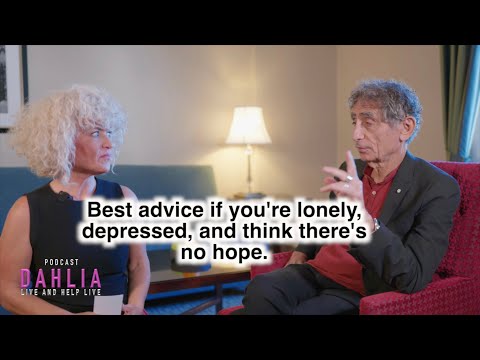
Ah, Christmas. The lights, the music, and, of course, the endless holiday cheer. But let’s be real for a second — not everyone feels that joy.
For some people, this time of year can be downright isolating. Like, picture yourself surrounded by twinkling decorations while feeling completely alone. It’s a tough spot to be in.
You might know someone who dreads the holidays or even feel it yourself sometimes. It’s more common than you think! Seriously, the silence can weigh heavy on your heart when everyone else seems to be celebrating.
So let’s talk about it — the emotional rollercoaster that comes with Christmas loneliness and how it affects us. Because there’s so much more under that shiny surface than most folks realize!
Effective Strategies for Coping with Loneliness During the Holiday Season
The holiday season can be a tough time for many people. You might think of it as a joyful, festive period, but for some, it’s like a stark reminder of loneliness. Being alone during the holidays can feel even more overwhelming when everyone around you is celebrating with family and friends. The silence can be deafening, right? So, let’s explore some effective strategies to cope with that loneliness.
Connect with Others
Reaching out to friends or family can really help diminish feelings of loneliness. It doesn’t have to be a grand gesture; even sending a simple text or making a quick phone call can make you feel connected. You might find that others are feeling the same way and are more than willing to chat!
- Volunteer: Helping others can give you a sense of purpose and connection. Many local shelters or community centers need extra hands during the holidays.
- Join Online Communities: There are plenty of groups where you can meet people who share your interests. Whether it’s through social media or online forums, finding your tribe can help lessen that holiday solitude.
Create Your Own Traditions
Sometimes we hold on tight to old traditions that remind us of loved ones we can’t be with anymore. But guess what? You have the power to create new rituals! Cook your favorite dish, binge-watch those classic holiday movies, or decorate your space the way you like it. It sounds simple but embracing these little traditions can bring joy into your season.
Practice Self-Compassion
It’s easy to get wrapped up in negative thoughts when you’re feeling lonely. Try talking to yourself like you would to a friend—be kind and understanding! Allow yourself to feel what you’re feeling without judgment.
Get Moving
Physical activity is more than just good for your body; it’s awesome for your mind too! Go for a walk in nature or try yoga at home. When you’re active, it’s easier to lift that foggy feeling that often comes with loneliness.
- Meditation and Mindfulness: Taking time to focus on your breathing or practicing mindfulness exercises can help ground you in the present instead of dwelling on feelings of sadness.
- Journaling: Writing down how you’re feeling is therapeutic and might help clarify those swirling thoughts in your head.
Acknowledge Your Feelings
Seriously! It’s okay not to feel merry all the time. Acknowledging how you feel is super important—don’t brush those feelings aside like they don’t matter. Recognizing what you’re going through is the first step toward healing.
Seek Professional Help if Needed
There’s no shame in seeking support from professionals if things get too heavy. Therapists and counselors offer guidance tailored specifically for whatever woes you’re facing during this time.
In short, coping with loneliness during the holiday season isn’t about forcing happiness; it’s about nurturing yourself and finding ways to connect—with others or with yourself. Remember that many folks share this experience, perhaps even more than you’d guess! So take care of yourself—you deserve it!
Understanding the Four Stages of Loneliness: A Comprehensive Guide
Loneliness is a tough gig, especially when events like Christmas roll around. You see all those jingles and happy families, and if you’re feeling a bit on the lonely side, it can hit hard. But loneliness isn’t just one feeling; it’s more like a rollercoaster with different stages. Let’s break down these stages to really understand what’s going on.
Stage 1: The Feeling of Isolation
This stage is where it all begins. You might feel that nobody really «gets» you or that there’s a gap between you and others. Imagine scrolling through social media, seeing your friends at parties while you’re sitting on your couch in your pajamas. It stings, right?
Stage 2: Emotional Response
Next up is how you react to that initial isolation. You could feel sad or even angry. Sometimes, people might think “Why do they get to have fun while I’m alone?” This emotional response is totally valid! Everybody feels it sometimes, but it’s important not to spiral into negativity.
Stage 3: Coping Mechanisms
This is where things get interesting. Some folks try to cope in healthy ways—like reaching out to friends for support or picking up a new hobby. Others might go the opposite route—like binge-watching series or zoning out on their phones for hours. While those distractions can feel good in the moment, they don’t really solve the problem.
- Healthy coping: Joining a local group or volunteering can help connect you with others.
- Unhealthy coping: Getting lost in social media might just deepen feelings of loneliness.
Stage 4: Acceptance and Reflection
The final stage often feels like hitting a wall but not in a bad way. At this point, you start accepting that sometimes you need time alone for self-reflection—not as something negative but as an opportunity for growth! You might discover things about yourself that are super valuable.
The point is that each stage serves its purpose and helps us grow as individuals—even during those hard moments like Christmas when everyone seems so joyfully connected. Recognizing these stages can help process what you’re feeling instead of letting loneliness take control.
If you’re navigating through any of these stages during Christmas or anytime really, it’s okay to feel what you’re feeling! Acknowledging loneliness is the first step toward managing it better.
Exploring the Connection Between Loneliness and PTSD: Understanding the Impact on Mental Health
When we talk about loneliness and PTSD, it’s like peeling back the layers of an onion—there’s a lot more going on beneath the surface than you might think. Loneliness isn’t just a feeling; it can seriously mess with your mental health. And if someone is also dealing with Post-Traumatic Stress Disorder, the combination can create a really tough situation.
You see, PTSD often stems from experiencing or witnessing traumatic events. Think of that one time you saw something horrifying or went through something that shook you to your core. Those memories can linger, making it hard to connect with others, even when you’re in a crowd. So, what happens next? You might start feeling isolated—despite being surrounded by people.
Here’s where the loneliness kicks in. And this isn’t just about feeling sad sometimes. Chronic loneliness can lead to serious problems, like anxiety or depression. It’s like being stuck in a loop where the feelings feed off each other: loneliness exacerbates PTSD symptoms, and those symptoms make it even harder to reach out.
- Isolation: People with PTSD may avoid social situations because they fear triggering their symptoms or simply because they feel misunderstood. This isolation deepens their sense of loneliness.
- Cognitive Patterns: Trauma often disrupts how someone thinks about themselves and others. Negative thoughts can create barriers that prevent forming new connections.
- Emotional Numbness: Sometimes individuals may shut down emotionally as a defense mechanism against further hurt, which makes engaging socially feel impossible.
Consider this: during the holiday season—like Christmas—many people celebrate with family and friends. But for individuals with PTSD who also feel lonely, this can amplify their feelings of alienation. Imagine sitting at a table full of laughter and cheer but feeling completely invisible or out of place; it can be heartbreaking.
The key thing here is understanding how these two things feed into each other, creating a cycle that’s tough to break free from. If you’re feeling alone while dealing with trauma, just know it’s pretty common to struggle in silence during festive times when everyone else seems so connected.
Recognizing these emotional patterns is essential for healing. Even though it feels daunting, reaching out—which could be talking to someone or sharing your story—can be the first step towards creating genuine connections again.
No one has to face this alone! Awareness and understanding from friends or family can help bridge the gap between trauma processing and emotional support during those difficult times when loneliness creeps in the most.
Christmas can be such a magical time, filled with twinkling lights, cheerful songs, and gatherings that seem to spread warmth everywhere. But for some folks, it’s like they’re stuck in this weird bubble of silence. You know, that feeling where the world is buzzing around you, but you’re just… kind of alone? It’s a tough spot to be in.
Maybe you’ve experienced it yourself. I remember one Christmas when I was super excited to celebrate with my family. A few days before the big day, though, plans fell through. Everyone got caught up in their own lives—work, travel, whatever. I found myself sitting alone on Christmas Eve with a takeout menu and a holiday movie. The joy of the season felt so distant—it was just me and the flickering screen.
That silence can weigh heavy, can’t it? You might feel an array of emotions: sadness creeping in like an unwelcome guest or maybe even anger at how things didn’t go as planned. It’s completely understandable! The thing is, these feelings can really mess with your head if they linger too long.
Psychologically speaking, loneliness during festive seasons can trigger some rough experiences. For starters, it often leads to increased anxiety or depressive thoughts because everything around you is so cheerful—but inside? Not so much. It’s like everyone else has this perfect scene going on while you’re in what feels like a vacuum.
But there’s more to it. Loneliness during holidays can make us replay memories over and over—especially if we’re missing someone who used to be part of those celebrations. Suddenly every old ornament might spark a memory that makes your heart ache just a little more.
The truth is that many people feel this way during Christmas and other holidays: you’re not alone in feeling alone! Reaching out—even with just a text or call—can help break that silence a bit. Sometimes just sharing what you’re going through can lift some weight off your shoulders; there are others out there who totally get what you’re feeling.
So if you find yourself staring at those glittering lights from the sidelines this year, remember—it’s okay to acknowledge those feelings. Loneliness hits hard sometimes but sharing your experience or even treating yourself to something small and enjoyable can help brighten things up a bit. It’s about taking baby steps towards finding joy again amidst all that quiet chaos.