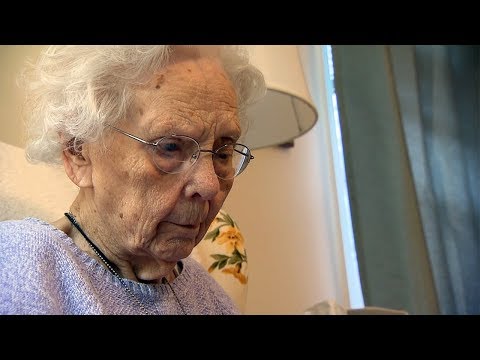
You know, loneliness is one of those sneaky feelings. It creeps up on you, especially when you’re older.
Imagine sitting in a cozy living room, sipping tea, and realizing that the silence is deafening. That’s a reality for many elderly folks.
Friends have moved away, family gets busy, and sometimes it feels like the phone just doesn’t ring anymore.
It’s tough. But the thing is, loneliness isn’t just an emotional state; it can mess with your health too.
So let’s chat about those silent struggles that often go unnoticed. We need to shine a light on this important issue!
Understanding Loneliness in the Elderly: Exploring Two Common Causes
Loneliness is a significant issue for many elderly people, often creeping in quietly and becoming part of their daily lives. You know, it’s not just about being alone; it’s about feeling isolated, disconnected from others. Two common causes of loneliness among older adults are loss of loved ones and social disengagement. Let’s break these down a bit.
First, loss of loved ones can hit hard. When an elderly person experiences the death of a spouse, family member, or close friend, it’s like losing a part of themselves. Picture this: imagine being married for decades and suddenly having to face each day without your partner. That absence creates a huge emotional void. It leaves them looking around and seeing empty chairs at the dinner table or hearing silence where laughter used to be.
Moreover, as we age, our social circles tend to shrink. Friends may pass away or become too ill to socialize. This can send feelings of loneliness spiraling deeper. It’s easy to underestimate how grief can linger and turn into long-term isolation.
Second, social disengagement plays a massive role in loneliness among the elderly as well. It often starts subtly—perhaps they stop attending social gatherings or feel less motivated to reach out to old friends. Imagine someone who used to love playing chess with buddies at the local park but now prefers staying in because getting out feels too exhausting or daunting. This kind of withdrawal can become a cycle: the more they isolate themselves, the harder it gets to connect outside their walls.
Sometimes health issues come into play too—mobility problems or chronic conditions could make it tough for them to join activities like they used to do back in the day. And let’s be real; technology hasn’t made things any easier either! Not all older folks are tech-savvy enough to leverage video calls or social media to keep in touch.
To wrap it up, you can see how loneliness among the elderly is intertwined with personal loss and societal factors. Encouraging connection through community programs or simply checking up on an elder friend can help combat those tough feelings that often come with aging alone. By being aware of these struggles, we might just be able to make a difference—one small interaction at a time.
Effective Solutions to Combat Elderly Loneliness: Strategies for Support and Community Engagement
Loneliness in the elderly is a tough issue. Many older folks face it daily, and it can really affect their mental and physical health. When you think about it, aging can lead to losing friends, reduced mobility, or even health issues that make socializing harder. So, what can we do to help?
Community Engagement is super important. Getting seniors involved in local activities can make a huge difference. Think about things like book clubs, gardening groups, or art classes. These not only provide entertainment but also create opportunities for friendships to grow.
Regular Check-Ins are also key. Family members and friends should make an effort to reach out—whether that’s through a phone call or a quick visit. Even a simple “How are you doing?” can mean the world to someone feeling isolated.
- Technology Training: Teaching older adults how to use smartphones or computers can open up a whole new world for them. Video calls with family members or participating in online community events allow for social connection from the comfort of home.
- Pet Therapy: Many studies show that having pets can reduce feelings of loneliness. Animals provide companionship and some even help keep seniors active—taking daily walks with a dog? Yes please!
- Volunteer Opportunities: Engaging in volunteer work keeps people connected while also giving them purpose. Helping others often boosts one’s own spirits!
- Support Groups: Creating groups where seniors can talk about their feelings helps normalize their experience of loneliness. Sometimes just knowing others feel the same way brings relief.
- Cultural Events: Organizing outings to museums, concerts, or theater performances caters not only to enjoyment but stimulates conversation and shared experiences.
- Health & Wellness Programs: Offering classes focused on mental health—like mindfulness or yoga—helps reduce stress and provides group interaction too.
Here’s an emotional angle: Imagine an elderly woman named Ruth who spent her days alone after her husband passed away. No kids nearby and few friends left made her feel invisible at times. One day she decided to join a local knitting circle that met every Thursday afternoon at the library. There she found not just new friends but purpose; they shared stories of life while crafting beautiful scarves together.
In summary, loneliness among the elderly isn’t something we should ignore—many folks need support now more than ever! Engaging with community activities, making regular check-ins part of our routine, teaching tech skills, or simply being there for someone matters big time! Let’s be part of the solution together!
Understanding the Causes of Social Isolation Among Elderly Individuals
Social isolation among elderly individuals is a real concern, and honestly, it can feel like an invisible weight they carry. As people age, their social circles often shrink for various reasons, leading to loneliness that can be profound. Let me break this down for you.
Loss of loved ones is a big factor. Imagine losing friends or even family members. It’s not just about missing someone; it’s also about losing those daily interactions and shared experiences that help keep spirits high. For many elderly folks, this loss can feel like a double whammy—grief mixed with emptiness.
Health issues play a considerable role too. As people get older, they often deal with chronic illnesses or mobility problems. This can make it tough to get out and socialize, which might lead them to stay home more than they’d like. And the more time they spend alone, the harder it becomes to reach out or engage with the outside world.
Then there’s retirement. Yeah, I know it sounds appealing at first! But once the daily hustle and bustle fades away, some folks struggle with feelings of purposelessness. Work provides not just income but also social connections—suddenly being at home could feel like being isolated on an island.
Lack of transportation is another challenge—not everyone has access to reliable rides or public transportation. If you can’t easily get to where people are gathering or activities are happening, well, you’re stuck at home more often than you’d want.
Cognitive decline, such as memory issues or other difficulties associated with aging, makes starting conversations or engaging in social scenarios trickier too. If someone feels insecure about how they’ll be understood or perceived in social situations, that fear can be paralyzing.
- Cultural shifts: Family structures have changed over time; younger generations may live far away or simply be wrapped up in their own lives.
- Aging stigma: Society sometimes overlooks the elderly’s needs—this can lead people to think they’re “past their prime” when really they still have so much wisdom and life left in them!
- Lack of technology skills: With video calls and social media being essential tools nowadays, some older adults might feel lost in this tech-driven world.
The truth is that social isolation affects not just emotions but mental health too! People who feel lonely are at higher risk for depression and anxiety which only fuels the cycle of withdrawal from others.
A little emotional anecdote here: I once spoke to an elderly lady named Betty who told me she felt invisible in her community after her husband passed away. She lived alone and had no idea how to break through the silence of her empty house. That feeling she described? It was heartbreaking but completely relatable for so many others out there facing similar struggles.
If we want to tackle these problems head-on (and we should!), it involves community involvement—like organizing friendly meet-ups—or simply checking in on our elderly neighbors every now and then! Connecting them back into society isn’t just kind; it could save lives by reducing those feelings of loneliness that weigh heavily on so many hearts.
You see? Understanding these causes isn’t just about knowing why; it’s about taking action where we can make a difference!
You know, when we think about loneliness, we often picture a sad person sitting alone in a room. But for the elderly, it’s so much more complicated than that. I remember visiting my grandma in her small apartment after my grandpa passed away. She had all these photos on the walls—smiling faces from family gatherings—but despite that warmth around her, there was this undeniable emptiness.
Loneliness among older adults can creep in like a shadow. It’s not just about being physically alone; it’s the emotional loneliness that weighs heavy on their hearts. Many of them have lost friends and family over the years, and as they age, it becomes harder to form new connections. You might think they have grandkids visiting or neighbors knocking on their doors often enough to keep them company, but those visits can be few and far between.
And, honestly? Some seniors feel embarrassed to admit they’re lonely. It’s like there’s this stigma around it—like admitting you’re lonely means you must’ve done something wrong in life. So instead of talking about how they feel, they often bottle it up inside.
Then there’s technology—or lack thereof! The younger generations are glued to their phones and social media platforms, while many older folks might struggle with understanding how to use them effectively. It makes communication challenging! I once heard a story about an elderly man who’d sit by his window each day watching kids play outside because he didn’t know how to strike up a conversation with anyone anymore.
It’s heartbreaking when you think about it. Loneliness isn’t just an emotional state for these folks; it’s tied to real physical health issues too. Studies show that feeling isolated can lead to problems like depression or even deteriorating health conditions. When people are lonely, they may neglect their health or even stop reaching out for help when they need it most.
So yeah, this silent struggle of loneliness is something we should all pay attention to—both as individuals and as a community. A simple act like checking in on an elderly neighbor could make such a difference in their day-to-day life. You never know; your call could brighten up their entire week! It really underscores how important connection is at every stage of life—not just for the young but deeply so for our elders too!