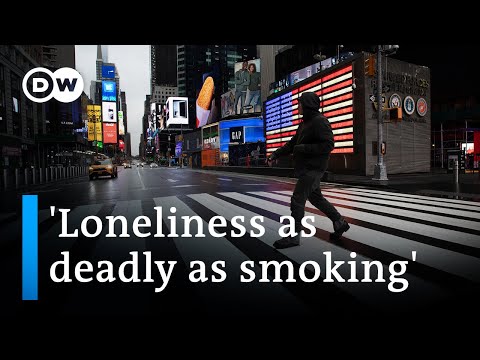
You know, sometimes life just feels a bit too lonely, right? Like, you’re surrounded by people but still feel this deep emptiness inside. Seriously, how often do you scroll through social media and see everyone else having the best time while you’re at home in your pajamas?
It’s wild to think about how disconnected we can feel in a world that’s more connected than ever. Isolation isn’t just about being alone physically; it cuts deeper than that. It messes with our heads, you know?
So, let’s unpack this emotional toll of isolation together. Why does it hit us so hard? What are we really feeling? Stick around; it might just spark something for you!
The Emotional Toll of Isolation: Insights from Modern Psychology
Isolation can hit hard, you know? It’s not just about being physically alone; it messes with your head and emotions way more than most people realize. In modern psychology, the emotional toll of isolation is a hot topic, especially with everything that’s happened in recent years.
First off, when you isolate yourself, your brain craves social connection. Seriously, it’s wired for it! Loneliness can lead to a range of emotional issues like anxiety, depression, and even feelings of helplessness. Imagine sitting in a room for days without talking to anyone; it gets pretty heavy.
When you’re cut off from friends or loved ones, your self-esteem often takes a hit. You’re missing out on those little affirmations from others that keep you feeling valued. It’s like living in a bubble where negativity just echoes back at you. That can make it hard to remember why you’re awesome in the first place.
Also, consider how isolation impacts your stress levels. Without the usual outlets like chats over coffee or hugs after tough days, stress just piles up. You might find yourself feeling overwhelmed for no apparent reason. During times of isolation, even small challenges can feel gargantuan.
Another thing worth mentioning is the concept of social withdrawal. This isn’t just about choosing to be alone; it’s also about developing avoidance behaviors. Like when someone starts canceling plans more and more because they’d rather binge-watch shows than face social situations—yeah that happens a lot! Over time, this avoidance actually reinforces feelings of anxiety and makes it harder to reconnect later.
Then there are the physiological effects too! Studies show prolonged isolation can affect your body’s health systems—like your immune system gets weaker as you stay disconnected from others. It’s almost as if your body is saying: “Hey! I need some social love over here!”
A good example is how widely reported dropouts in mental health have surged during lockdowns in various countries around the world. People were facing this intense isolation that led them to experience everything from spikes in depression rates to increased substance abuse because they were coping with those heavy emotions solo.
It’s really clear: isolation has deep emotional repercussions backed by science. It highlights how critical our connections are—like lifelines for our mental well-being. You gotta nurture those bonds! Whether it’s picking up the phone or trying new ways to connect digitally, anything helps chip away at that isolating heaviness.
So next time you’re feeling cut off from others or pondering why those feelings weigh heavy on you, remember: you’re not alone in this struggle—and understanding these emotional impacts can be the first step towards lifting that weight off your shoulders.
Understanding the Impact of Social Isolation on Mental Health: A Comprehensive Analysis
Social isolation is one of those things that can really mess with your head. You know how sometimes you just feel alone, even in a crowded room? That’s a taste of what isolation can feel like. It’s not just about being physically apart from others; it goes deeper than that. Let’s break it down.
What is Social Isolation?
Basically, social isolation means being cut off from social interactions or support. This can happen for various reasons—like living alone, having a busy lifestyle, or even being in a pandemic situation. When you’re isolated, it often leads to feelings of loneliness.
The Emotional Toll
Isolation doesn’t just make you feel sad; it can also trigger bigger issues like anxiety and depression. You might find yourself feeling hopeless or even disconnected from reality. It’s like there’s this invisible wall between you and the world—totally frustrating!
- Anxiety: Feeling anxious about things that never bothered you before? Yeah, that happens a lot when you’re isolated.
- Depression: Days start to blur together, and finding joy in activities feels almost impossible.
- Stress: Without people to talk to or support you, everyday stressors can seem magnified.
The Brain’s Response
When we’re socially isolated, our brains go into overdrive with negative thoughts and emotions. Research shows that loneliness triggers the same areas in your brain as physical pain! Ouch!
I remember a friend who moved to a new city for work. At first, everything was exciting—new job, new place! But after a few months without making connections, he started feeling down about himself and lost interest in things he loved doing.
The Importance of Connection
Human beings are social creatures by nature. We thrive on connection! Being around others boosts our mood and makes us more resilient against mental health issues. When we interact with friends or family—even if it’s just through video calls—it helps keep loneliness at bay.
In fact, studies indicate that strong social ties are linked to better mental health outcomes. So texting that friend or joining an online group could seriously help lift your spirits!
Coping Strategies
It’s all about finding ways to connect—even when you’re feeling low.
- Reach out: Pick up the phone and call someone you trust.
- Create routines: Establishing daily habits can give structure to your day.
- Pursue hobbies: Engaging in activities you love keeps your mind active.
If there’s one thing I’ve learned from listening to people talk about their experiences with isolation is that reaching out—even when it feels hard—often opens the door to community and support.
The Bottom Line
Understanding how social isolation impacts mental health is crucial because it gives us insight into our own emotional states and behaviors. Life might throw some curveballs at us—like moving away from friends or going through tough times—but knowing these feelings are normal helps no matter what the situation is.
So remember: always be kind to yourself during tough times like these! You’re not alone in this journey; many people share these experiences too.
Understanding the Negative Effects of Social Isolation: Impacts on Mental and Physical Health
Social isolation is more than just being alone; it’s like a heavy weight on your chest. It can mess with your mind and body in ways that are often overlooked. Let’s break down what that really means.
Mental Health Impacts
When you’re socially isolated, your mental health can take a serious hit. Feelings of loneliness might creep in, and soon enough, you’re looking at depression or anxiety kicking down the door. It’s like being stuck in a dark room with no way out. Studies show that prolonged isolation can lead to higher levels of stress hormones, which really isn’t good for anyone.
Imagine a time when you felt completely alone—maybe it was after leaving a group of friends or even during those quiet nights at home scrolling through social media. You know that feeling? It can feel isolating even when you’re surrounded by people online because it lacks genuine connection.
Physical Health Effects
But hold up, it doesn’t stop there! Social isolation doesn’t just borrow space in your head; it can affect your body too. People who feel isolated may experience things like an increased risk of heart disease, poor sleep quality, and even weakened immune systems. This all ties back to the stress response I mentioned earlier.
When your body is stuck in that constant state of ‘fight or flight’ from loneliness, it’s exhausting! You might find yourself getting sick more often or struggling to shake off colds because your immunity is taking a nosedive—like living life on hard mode!
Cognitive Decline
And let’s not forget about our brains. Isolation can mess with our cognitive functions too! Elders who are isolated may struggle with memory issues and cognitive decline faster than their more socially active peers. Being around others stimulates our minds; think about conversations that spark creativity or joy!
It’s kind of like taking away the fuel from a car—you can’t expect it to run efficiently without proper input from its environment.
Social Skills Deterioration
Another biggie? Your social skills could start to slip away. If you’ve been out of practice talking to people, jumping back into social situations might feel awkward and daunting—like trying to ride a bike after years without pedaling! The art of conversation requires practice and connection.
There was this time during lockdowns when many folks realized they had lost touch with making small talk or reading social cues because they weren’t interacting face-to-face as often anymore.
Conclusion: Breaking the Cycle
Wrap all this up, and we see how critical *social connections* are for both mental and physical well-being. If you’re feeling isolated, it’s important to reach out—to friends, family, or even communities online where you share common interests. Taking that step can help break the cycle of isolation pretty quickly.
So remember: prioritizing those connections isn’t just good for the soul; it’s also super important for keeping us healthy overall!
Isolation, man, it really hits differently these days, doesn’t it? With social media buzzing around us all the time, you’d think we’d feel more connected. But in reality, many folks are feeling lonelier than ever. It’s kind of ironic—like you’re in a room full of people but still feel like no one really gets you.
You know that feeling when you’re scrolling through Instagram and everyone seems to have this perfect life? And then you look around your own space, which feels empty or cluttered? Yeah, that comparison can mess with your head. It’s as if you’re shouting into a void where nobody hears you.
A friend of mine once told me about a period when he just isolated himself after a tough breakup. At first, he thought it would be great to binge-watch shows and hang out with his thoughts. Sounds cozy? Nope! After a while, he felt trapped in his own mind. He realized that shutting people out only made everything heavier; those emotional weights just piled up because he wasn’t sharing them with anyone.
Studies show that long-term isolation can lead to serious mental health issues—like anxiety and depression. It’s not just about being alone; it’s also about how much support you’re missing from human connections. Basically, we need those little interactions—the nods at the coffee shop or catching up with friends—to keep us grounded.
The thing is, it’s not easy to break free from isolation once you’re wrapped up in it. You might feel like no one understands what you’re going through or that reaching out is somehow embarrassing. But trust me when I say there’s always someone who gets it—even if they don’t show it on their social media feed!
So yeah, isolation can take a real emotional toll on anyone these days. Just remember that being open and connecting with others—even in small ways—can make a world of difference. You never know who might be feeling the same way as you do!