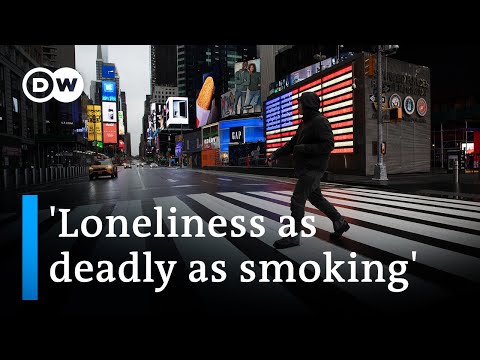
You know that feeling when you’re in a crowded room but still feel completely alone? Yeah, that hits hard.
It’s like you’re surrounded by people, yet nobody really sees you. That’s emotional isolation for ya.
We all experience it, some of us more than others. It can creep in when life gets tough or when we’re just too caught up in our own heads.
And honestly? It kinda sucks.
Like, who hasn’t felt that pang of loneliness at 2 AM, scrolling through social media, seeing everyone’s “perfect” lives?
Emotional isolation can feel heavy—like a weight on your chest. But it doesn’t have to define you. Let’s unpack it together!
Exploring Loneliness and Isolation in John Steinbeck’s Works: An In-Depth Analysis
Loneliness and isolation are pretty hefty themes in John Steinbeck’s works. When you dig into his stories, you see characters grappling with not just physical separation but also emotional distance. It’s like Steinbeck had this incredible knack for capturing the human experience, warts and all.
Emotional Isolation is a huge part of what he writes about. Take “Of Mice and Men,” for example. You’ve got George and Lennie dreaming of a future while surrounded by workers who are all alone in their struggle. Characters like Crooks highlight this isolation perfectly. He’s physically separated from the others because of his race, but it goes deeper than that—he’s emotionally cut off too. There’s this moment, when Crooks lets down his guard just a bit, and it’s heartbreaking. He craves companionship, yet he pushes people away to protect himself.
Then there’s “The Grapes of Wrath,” which really sheds light on the loneliness that comes from losing everything. The Joad family experiences dislocation in every sense—geographically, socially, and emotionally. They’re all trying to hold it together while facing a world filled with hardship. Look at Ma Joad; she keeps her family united despite feeling that overwhelming weight of despair. Her strength shines through, but her moments of solitude reflect the emotional toll this fight has on her.
Steinbeck often makes you feel the weight of loneliness through nature imagery too. Characters find themselves alone in vast landscapes, amplifying their isolated feelings. This setting isn’t just a backdrop; it becomes almost a character itself! Think about how desolate the Dust Bowl is portrayed—a physical representation of emotional desolation.
In essence, Steinbeck shows us that loneliness isn’t just about being physically alone; it’s about feeling disconnected from others. His characters often face barriers that make authentic connection difficult or even impossible at times.
Key Points:
So when you’re reading Steinbeck, pay attention to how these themes play out across different characters and scenarios—you’ll find an intricate tapestry weaving together loneliness with hope for connection amidst desolation!
Identifying the Early Signs of Emotional Isolation: A Comprehensive Guide
Emotional isolation can creep up on anyone, and it’s often pretty subtle at first. You might feel disconnected from others without even realizing what’s happening. Identifying the early signs of emotional isolation is super important because the sooner you notice them, the better you can address them.
So, what does it look like? Here are some key indicators:
- Withdrawing from social interactions: If you find yourself turning down invitations more frequently or avoiding gatherings with friends, that’s a red flag. It’s like when you used to enjoy hanging out but now prefer staying home binge-watching shows instead.
- Feeling misunderstood: Have you ever found it hard to explain your feelings to others? This sense of being isolated can grow when you feel like no one gets you. Your conversations may leave you feeling empty or frustrated.
- Lack of emotional support: If you’re struggling with something and notice that you’re not reaching out for help or support, that’s a sign. Maybe you’ve even convinced yourself that talking about it would just burden others.
- Consistent negative self-talk: Do you catch yourself saying things like “I’m not worth their time” or “They wouldn’t care anyway”? This kind of thinking can deepen your sense of loneliness.
- Apathy towards activities: Remember that hobby that used to light up your weekends? If you’ve lost interest in things that once made you happy, it might be time to check in with yourself.
- Diminished connections: You may recognize a shift in your relationships. Friends could seem less available or responsive, but sometimes it’s actually about how willing you’re feeling to connect with them.
A while back, a friend confided in me about feeling alone despite being surrounded by people at school. She said she felt like an observer rather than part of the crowd. It was painful for her. That sense of separation is a classic sign of emotional isolation.
If any of this resonates, know that acknowledging these signs is the first step toward change. You deserve connection and support! So if emotional isolation is lurking around your life’s corner, take a moment to reflect on what’s going on inside—and maybe reach out for some help or just someone to talk to!
The thing about emotional isolation is that it often feeds on itself; the more isolated we feel, the harder it can be to reach out and break free from those chains. So keep an eye on yourself and those close to you; it could make all the difference.
Understanding Emotional Isolation: Unpacking the Impact and Meaning of Loneliness
Emotional isolation is a pretty heavy topic, don’t you think? It’s one of those things that creeps up on you. You can be surrounded by people and still feel completely alone. It’s like being at a party where everyone’s laughing and having fun, but you’re stuck off in the corner, feeling invisible. So, let’s break this down.
What is Emotional Isolation?
At its core, emotional isolation happens when you don’t feel emotionally connected to others. This can lead to feelings of loneliness that go beyond just being physically alone. It’s more about feeling understood or supported by those around you—or not. You might’ve noticed this in your own life; maybe you’ve felt like no one really gets what you’re going through.
The Impact of Loneliness
Loneliness isn’t just a mental thing; it has some real effects on your body too! Research shows that feeling lonely can increase stress and lead to anxiety and depression. It’s wild how much being alone emotionally can affect your overall health. Here are some common impacts:
- Mental Health Issues: Loneliness can lead to serious mental health challenges, including anxiety and depression.
- Physical Health: Believe it or not, loneliness is linked to health problems such as heart disease or even early death.
- Cognitive Decline: People who feel isolated might experience quicker cognitive decline as they age.
Think about it like this: when you’re feeling isolated, your brain isn’t functioning at its best. It’s kind of like trying to drive a car with low fuel—it might run for a bit, but eventually, it’s gonna sputter out.
Why Does Emotional Isolation Happen?
So many factors contribute to this emotional distance we sometimes feel. Here are just a few reasons why someone might become emotionally isolated:
- Lack of Communication Skills: If you struggle with expressing how you feel or connecting deeply with people, it can create gaps in relationships.
- Past Trauma: Sometimes if you’ve been hurt in the past—like from friends or family—it makes it hard to open up again.
- Life Changes: Major life events, such as moving to a new place or experiencing loss, can shake up your support network.
I remember a friend who moved cities for work—she was super excited at first but quickly realized she hadn’t made any close connections yet. She ended up feeling lonely in the midst of all the hustle around her.
The Healing Process
Now, dealing with emotional isolation isn’t easy, but acknowledging how you’re feeling is a solid first step. Here are some ways folks find their way back to connection:
- Reach Out: Talk to someone about how you feel! Just getting things out in the open can lighten the load.
- Pursue Interests: Engaging in activities you love helps meet people with similar interests—like joining clubs or classes.
- Practice Self-Compassion: Be kind to yourself! It’s tough out there; recognizing that it’s okay to feel lonely sometimes is super important.
Like I said earlier, emotional isolation hits hard—but understanding what it means and where it comes from is key. When we start breaking down those walls of loneliness together, life gets a little brighter—and yeah, that connection feels so much sweeter!
You know, emotional isolation can feel like being stuck in a really heavy fog. It creeps in unexpectedly, and suddenly you find yourself feeling utterly alone, even when you’re surrounded by people. That sense of loneliness isn’t just about being physically apart from others; it’s more like this deep chasm that makes it hard to connect emotionally.
So, I remember a friend of mine—let’s call her Sarah. She was always the life of the party, full of energy and laughter. But one day, she opened up to me about feeling isolated despite her busy social life. It shocked me! She had friends everywhere but felt like no one really understood her struggles or emotions. Can you imagine that? Physically present but emotionally absent from those around her? It’s like standing in a crowd while feeling invisible.
Emotional isolation often sneaks in when we don’t feel heard or accepted for who we are. We might put on a brave face and go through the motions, but inside, we’re carrying this weight that makes everything seem dull and grey. And the irony is, even if you’re hanging out with people who care about you, if you don’t share what’s going on inside your heart or mind, it’s easy to feel lost.
And here’s the kicker: sometimes this isolation can breed a nasty cycle of self-doubt and further loneliness. You might think nobody else feels this way or that reaching out will just be a hassle for others. But you know what? Opening up can be really powerful! Even a small conversation can start chipping away at those walls you’ve built around your feelings.
In our fast-paced lives filled with social media highlights and superficial connections, it’s no wonder emotional isolation is lurking around every corner. We scroll through our feeds looking at happy moments while feeling that nagging sense of disconnect ourselves. It’s easy to get caught up in comparing our insides with everyone else’s outsides.
The thing is—breaking free from this emotional isolation takes courage. It’s about finding ways to connect on a deeper level with ourselves first and then taking that leap into vulnerability with others. Sharing those raw emotions might feel scary at first but could be exactly what draws someone closer to you.
So yeah, emotional isolation is heavy stuff—it can weigh us down in ways we don’t even realize until we’re buried under it all. But acknowledging it means we’re on the right path towards finding those connections again—reminding ourselves we’re not alone in this journey called life.