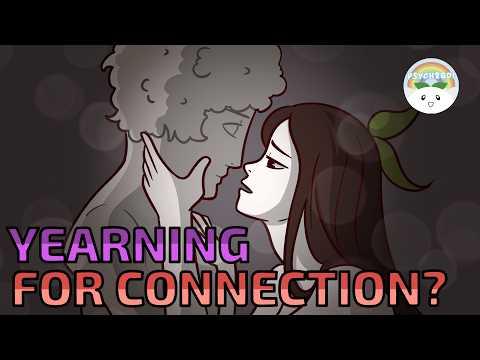
Aging can be a trip, right? Like, one minute you’re living life to the fullest, and the next, it feels like everyone’s moving on without you.
It’s not just about wrinkles and gray hair. There’s this heavy vibe that a lot of older folks deal with—loneliness.
Ever noticed how some people just seem to fade into the background as they get older? Seriously, it’s sad.
Behind that quiet exterior, there might be a whole world of thoughts and feelings wrestling for attention. And yeah, it can get really overwhelming sometimes.
Let’s chat about it—because understanding this struggle is important for all of us.
Understanding the Link Between Isolation and Mental Illness: Key Insights and Implications
Isolation can really mess with our heads, and it’s especially concerning when we think about older adults. So, what’s the deal with isolation and mental illness? Let’s break it down.
As you age, life changes a lot. Friends might pass away or move away, families get busy, and suddenly, you’re left feeling alone. This isolation isn’t just sad; it can lead to some serious mental health issues. Depression, anxiety, and even cognitive decline can all be linked to feeling cut off from the world.
You might be thinking: “Why does being lonely make us feel so bad?” Well, it’s complex but you can think of it this way: humans are social beings. We thrive on connections—seriously. When those connections fade, the brain doesn’t just shrug it off. It responds as if it’s facing stress. It’s like throwing a party and no one shows up; that empty room is pretty hard to ignore.
- Emotional Effects: Isolation can lead to feelings of worthlessness or hopelessness. Imagine John, an 82-year-old who used to gather with friends weekly for bingo. After that group dwindled down to two people—and then eventually stopped meeting—he began feeling like he had nothing left to look forward to.
- Cognitive Decline: Studies show that loneliness can actually affect your brain’s health too! You know how when you’re super stressed your memory gets fuzzy? Well, long-term isolation can trigger similar responses in the brain that may speed up dementia symptoms for some folks.
- Physical Health Impact: It doesn’t just mess with your mind but your body too! Lonely people often have higher chances of heart disease or stroke because they might neglect their health—like skipping doctor visits or not eating well out of boredom or disinterest.
The implications are pretty huge here: if you’re concerned about a loved one who’s been feeling isolated, reaching out might do wonders. Just sending a text or making a call could remind them they’re not forgotten or alone in the world!
This isn’t only an older person issue—everyone feels lonely sometimes! But for older adults who already face so many challenges, it’s vital that we recognize this struggle and take action together.
In a nutshell? Isolation doesn’t just suck; it’s linked directly with mental illness in profound ways. Knowing this means we can be more aware and supportive of those around us who might need a little extra love and attention during tough times.
Effective Strategies to Combat Elderly Loneliness: Solutions for a Connected Community
Loneliness in older adults is, unfortunately, a common issue. As people age, they can face significant changes that impact their social connections. Loss of loved ones, retirement, and shifting family dynamics can leave many feeling isolated. So, what can be done to combat this? Let’s explore some effective strategies.
Encouraging Social Connections is crucial. It’s important for elderly folks to have opportunities to engage with others regularly. This could be through local community centers that offer exercise classes or art workshops. Being part of a group helps foster relationships and gives seniors a sense of belonging.
Technology can also play a big role. Many older adults might feel intimidated by new gadgets, but there are user-friendly options out there. For instance, video calls using platforms like Zoom or FaceTime allow seniors to stay in touch with family and friends no matter the distance. Plus, online communities provide spaces where they can connect over shared interests.
Volunteering is another fantastic way for older adults to feel needed and connected. Engaging in volunteer work not only benefits the community but also boosts their self-esteem and sense of purpose. Whether it’s helping at a local food bank or tutoring kids, giving back can be incredibly rewarding.
Organizing Regular Activities is helpful too. Local neighborhoods could set up weekly events like game nights or coffee mornings where seniors gather and mingle. Even creating walking groups can get them moving while building friendships—because who doesn’t enjoy sharing a laugh over a leisurely stroll?
A focus on mental health resources is essential as well. Community programs offering support groups for loneliness can create safe spaces to express feelings and share experiences. Sometimes just knowing others are going through similar struggles makes all the difference.
Lastly, family involvement plays a huge role in combating loneliness among the elderly. Regular phone calls or visits from family members not only lift their spirits but also strengthen those critical bonds that might have weakened over time.
Implementing these strategies fosters an environment where older adults feel cared for and connected—making all the difference in their emotional well-being! After all, being part of a caring community isn’t just nice; it’s vital for happiness as we age!
Identifying Signs of Loneliness in the Elderly: A Comprehensive Guide for Caregivers and Families
Loneliness in the elderly is a serious issue that’s often overlooked. You might not realize it, but as people age, they can face isolation that leads to feelings of profound loneliness. This isn’t just about being alone; it affects their mental and emotional health in a big way. So, if you’re caring for an older loved one or working with them, it’s crucial to be on the lookout for certain signs of loneliness.
One common sign is changes in behavior. If your loved one seems less interested in activities they once enjoyed—like gardening or reading—that can be a red flag. It’s kind of like when you lose your spark for things you used to love. You know how it feels? Well, that can happen to them too.
Another thing to watch for is changes in social interaction. If they’re withdrawing from family gatherings or saying they prefer to stay home rather than join friends for coffee, it might mean they’re feeling lonely. The thing is, isolation can seem more appealing at first because it avoids uncomfortable feelings, but that’s mostly temporary.
Physical health problems are also a factor. Many elderly folks struggle with mobility issues or chronic illnesses that make getting out tough. If your loved one has started complaining more about pain or fatigue and misses social outings, this could lead to loneliness without them even realizing it.
You may notice emotional indicators as well. Are they expressing feelings of sadness or hopelessness? Maybe they’ve become more irritable or anxious? These emotional changes can signal that something deeper is going on—like loneliness creeping in.
Watch out for changes in sleep patterns, too. Are they sleeping more during the day and staying up late at night? Sometimes these shifts correlate with feeling lonely and can even worsen their mental state over time.
And let’s talk about conversations. If your loved one talks less or seems disengaged when others are speaking, that could mean they’re feeling disconnected. It’s like having someone sitting next to you but being worlds apart—they might feel unseen and unheard.
In terms of physical cues, look for signs like neglecting personal hygiene. When someone feels lonely and depressed, self-care often falls by the wayside. You might notice them wearing the same clothes multiple days in a row or not maintaining their usual grooming routines.
If you suspect loneliness is an issue, engaging them in conversation can help shine some light on their feelings. Ask open-ended questions like «How have you been feeling lately?» This encourages sharing without putting pressure on them.
Caring for an elderly person involves so much more than just meeting their physical needs; it’s about nurturing their emotional well-being too! By identifying these signs early on, you’ll be doing an incredible service—helping your loved ones find connection again by either reaching out yourself or guiding them back into social circles they once cherished.
Remember: the journey through aging doesn’t have to be a lonely path! Just providing company sometimes makes all the difference!
Aging can feel like this weird, bittersweet journey, you know? I mean, you look back at your life and there’s all this richness and experience, but then on the flip side, you see how it creeps in with loneliness and those silent battles in your mind.
Think about it for a second. You’ve gone through all these amazing moments—weddings, births, friendships—but then people start to drift away. Friends might pass on or move to different places. Family gets busy with their own lives. And suddenly you find yourself sitting in a quiet house more often than not. I remember my grandma telling me how much she missed her old pals after they had all moved to different cities or even passed away. It was heartbreaking to see her struggle with that void.
The mind plays some tricky games as we age too. It’s like your brain starts acting up sometimes—forgetting names or where you put your keys. And that can really mess with your sense of self-worth. You might start thinking, “Am I losing it?” That thought alone can spiral into feelings of isolation because who wants to admit they’re struggling? The world seems to expect us to be sharp and bright until the very end.
And let’s be real: loneliness isn’t just sitting alone at home; it can seep into every part of life. It influences mood, makes everything feel heavier than it should be. Sometimes people don’t even realize they’re lonely until they notice they haven’t had a real conversation in days or weeks.
But amidst all this heaviness, there can be small sparks of connection—a chat with a neighbor who stops by for coffee or a simple wave from someone passing by. Those little moments? They matter a lot more than we think! Each interaction is like a thread connecting us back into the fabric of community.
So yeah, aging brings with it some tough challenges around loneliness and mental health that often go unsaid—silent struggles we could do better at recognizing and addressing together. At the end of the day, maybe we just need to check in on one another more often—a simple text or call could really change someone’s day for the better! It’s all about finding those moments that remind us we’re not alone after all.