Loneliness and sadness—man, those feelings can hit hard, right? It’s like they sneak up on you when you least expect it. You’re going about your day and then, boom! You feel isolated or just a little down.
You might be wondering why we even feel this way. Seriously, there’s so much going on in our heads when we’re feeling low. It’s not just about being alone; it’s more complicated than that.
And hey, you’re not alone in feeling like this. Lots of people go through it. So let’s take a moment to unpack what’s really happening in that brain of yours when loneliness and sadness tap on your shoulder.
Exploring the Neuroscience of Loneliness and Sadness: Insights into the Human Brain
You know, loneliness and sadness are feelings we all experience at some point. But they’re not just emotional states; they’ve got some serious brain science behind them. So, let’s break this down.
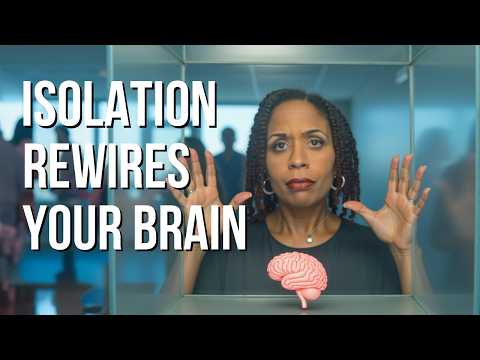
Loneliness isn’t just about being physically alone. It’s a feeling of disconnect from others, which can actually change how our brains work. When you feel lonely, your brain might respond as if it’s under threat. Research has shown that loneliness activates areas in the brain linked to fear and anxiety. This can lead to stress responses and even physical health issues over time.
Sadness, on the other hand, is often tied to loss or disappointment. It can have a similar impact on your brain as loneliness does. When you’re sad, there are certain parts of your brain that slow down their activity; one of these is the prefrontal cortex, which helps with decision-making and emotional regulation. Ever felt like making decisions was super tough when you’re down? That’s why!
And guess what? Both feelings can kick off changes in the body too. Being lonely might make you more susceptible to inflammation, which is linked to all sorts of health problems like heart disease or diabetes. Sadness can also cause similar physical symptoms, like fatigue or achiness, because your body is responding emotionally.
Now let’s talk about some common behaviors that come into play here:
- Avoidance: When you’re feeling lonely or sad, you might want to isolate yourself even more. It’s like a cycle—you feel bad so you pull away from people, which makes you feel worse.
- Cognitive distortions: Those negative thoughts can spiral out of control! You might start thinking nobody cares about you when really it’s just a moment.
- Emotional numbing: Sometimes, people try to protect themselves by shutting down emotions altogether—this might seem like a solution but it often leads deeper into loneliness.
Here’s a little story: I had a friend who went through a rough breakup and fell into that pit of sadness and loneliness. She spent weeks in her room watching Netflix—totally avoiding friends because she didn’t want to be “the sad one.” Over time though, this isolation only made her feel more disconnected and worse emotionally.
Understanding how our brains work during these tough times could help us find ways to cope better—like reaching out for connection even when we don’t want to. Socializing releases those warm fuzzy chemicals called dopamine and oxytocin, which counteract feelings of loneliness! Seriously! Just sharing a coffee or going for a walk with someone can make all the difference.
So next time you’re feeling lonely or sad, remember it affects more than just your mood—it messes with your brain too! And while those feelings suck hard sometimes, knowing what’s happening up there gives us insight into how we can heal through connection and care for ourselves—and each other!
Understanding the Psychological Effects of Loneliness: Impacts on Mental Health and Well-Being
Loneliness is one of those feelings that can creep up on you, like a shadow you didn’t even notice was there. When you think about it, it’s not just about being physically alone. It’s really more about feeling disconnected from others. This sense of isolation can have serious effects on your mental health and overall well-being.
So, let’s break this down a bit. First off, loneliness isn’t just an uncomfortable feeling; it can lead to real psychological issues. For starters, people who often feel lonely might find themselves struggling with anxiety and depression. You might think it’s just sadness, but loneliness can amplify emotions and make everything seem heavier.
When you’re lonely, your brain doesn’t get the same kind of boost from social interaction—it’s like missing out on the good stuff in life, right? This lack of interaction can lead to cognitive decline, which simply means your brain isn’t functioning at its best. You might forget things more easily or struggle with concentrating on tasks.
Here’s a little story to illustrate: I once knew someone who moved to a new city for work. At first, everything seemed exciting! But as the weeks went by without making friends or connections, they started feeling more and more isolated. Simple tasks felt overwhelming because their mind was cluttered with worries and self-doubt instead of clarity.
The connection between loneliness and physical health is pretty eye-opening too! Studies show that folks who feel lonely are at a greater risk for heart disease, high blood pressure, and even some types of cancer. So it’s not all in your head; it impacts your body too!
But wait, there’s more! Loneliness can even mess with your sleep patterns—ever noticed how hard it is to get good rest when your mind is racing? That anxiety or sadness keeps you awake at night. Lack of sleep then drives home that feeling of loneliness during the day since you’re tired and less likely to engage with others.
- Loneliness can trigger feelings of hopelessness: When you feel isolated, the world might start looking dimmer—a cycle that feeds into itself.
- It affects our ability to empathize: The more we retreat into ourselves due to loneliness, the harder it becomes to connect emotionally with others.
- You might push people away: Sometimes when we feel lonely, we react by withdrawing even more—creating this vicious loop that’s hard to break!
If you’re feeling this way sometimes—you’re not alone in that! It’s all part of being human. The key thing here is recognizing these feelings as valid but not letting them define your experience completely. And remember: reaching out for support or finding small ways to connect can be game-changers!
The thing is: understanding what loneliness does gives us power over it. It reminds us that we’re wired for connection—and that engaging with others is crucial for our health and happiness!
Understanding Theories of Loneliness in Psychology: Insights and Implications
Loneliness is one of those feelings that can really hit hard. It’s like you’re in a crowded room, but no one really sees you, you know? Psychologists have had a lot to say about loneliness, and there are a few theories that help explain why we feel this way.
The Social Isolation Theory suggests that loneliness comes from not having enough social connections. Imagine moving to a new city and not knowing anyone. You might have people around you, but if you don’t connect with them, it feels pretty lonely. This theory basically says:
When those connections are missing, it’s like there’s an empty space inside.
Then there’s the Cognitive Theory. This one focuses on how our thoughts can amplify feelings of loneliness. If you’re constantly thinking «no one likes me» or «I’ll always be alone,» those thoughts can trap you in a cycle of feeling isolated. Your brain starts to look for evidence to support those thoughts. So, every time someone doesn’t text back or skips hanging out, your mind adds fuel to the fire!
It’s tricky because it becomes self-fulfilling—you expect rejection, so you might avoid social situations altogether.
Next up is the Existential Theory. This perspective dives deep into the human condition and suggests that loneliness is part of being human. We all face our own existence and mortality alone at some point. It highlights how loneliness can stem from searching for meaning in life. Think about that moment when you’re lying awake at night questioning everything—your career choice or relationships—that’s existential loneliness talking!
Now let’s talk about implications! Understanding these theories helps in various ways. If we know that social connections are vital, we might make more effort to reach out to friends or join clubs. If it’s about our thought processes leading us into isolation, recognizing those negative patterns means we can challenge them!
And hey, sometimes just acknowledging your feelings can help lessen their weight. So whether it’s reaching out to someone or just having an honest chat with yourself about your thoughts—every little step counts!
In short…loneliness isn’t just a byproduct of being alone; it’s complex! Through these psychological theories—Social Isolation, Cognitive and Existential—we get insights into why we feel this way and what we might do about it. Remembering that many people feel lonely at times too? That small realization can make all the difference!
Loneliness and sadness can feel like two sides of the same coin, right? Like, you can be surrounded by people but still feel totally disconnected. Just the other day, a friend shared how he felt completely alone at a party full of familiar faces. It’s wild how you can be in a crowd yet still feel isolated.
So, what’s going on there? Well, loneliness is more about the quality of your connections than the quantity. You might have loads of friends or family nearby, but if those relationships lack depth or emotional support, you can still end up feeling really lonely. It’s like having a lot of air in your tires—looks good on the outside but feels flat when it really counts.
Now, sadness often tags along with loneliness. You know that feeling when everything feels heavy and gray? It’s tough because sadness is usually tied to something deeper—loss, unfulfilled dreams, or just feeling misunderstood. These emotions can build on each other too. When you’re sad and then feel lonely because of it, it’s like digging yourself into a hole that’s hard to climb out of.
But here’s where it gets interesting: understanding these feelings is key. Acknowledging that it’s okay to feel lonely or sad sometimes allows us to accept those emotions instead of fighting them off. After all, everybody experiences these feelings at some point in their lives—it’s part of being human!
And if you’re really brave about it, sharing your feelings with someone can lighten the load too. Like my friend eventually did; he reached out for a chat and felt way better just by talking things through.
So yeah, loneliness and sadness can hit hard but recognizing that they’re common experiences helps people connect through them—not just suffer alone in silence. That’s pretty powerful if you think about it!