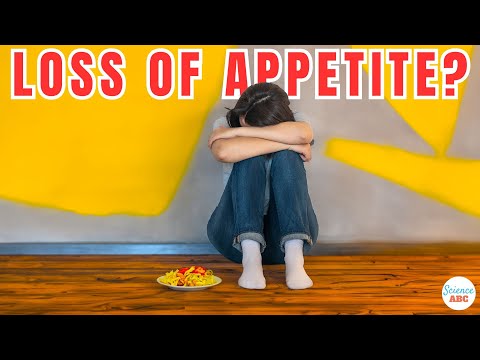
Hey there! So, let’s talk about something that can really mess with your day—appetite loss. You know, when food just doesn’t sound good anymore? It’s a bummer, right?
Now, imagine feeling this way because of depression. It’s not just about skipping lunch; it goes deeper.
When you’re feeling low, everything gets affected—even what you want to eat or not eat. It can feel like a heavy fog that closes in on your cravings and hunger.
And trust me, you’re not alone in this. Lots of people experience it, even if they don’t talk about it much. So let’s unpack this together, shall we? We’ll dive into how depression messes with our appetite and what that really means for us mentally and emotionally.
Understanding the Link Between Mental Illness and Appetite Loss: Causes and Insights
Understanding the link between mental illness and appetite loss can feel pretty complex, right? When you’re going through tough times mentally, like with depression or anxiety, your body often reacts in ways you might not expect.
First off, let’s break down what happens. When you’re feeling depressed or anxious, your brain is pretty much in turmoil. It’s like a rollercoaster of emotions – sometimes it feels overwhelming. This emotional state can mess with your biological processes. For instance, your brain releases chemicals that affect hunger and digestion. If you’re feeling low, you might not even think about food or care about it at all.
So what are the actual causes behind this appetite loss? Let’s take a closer look:
- Stress Response: When you’re stressed out or anxious, your body goes into survival mode. It’s like running away from a bear—eating isn’t exactly top priority!
- Chemical Imbalance: Depression is linked to low levels of certain neurotransmitters like serotonin and dopamine. These guys play a key role in regulating mood and appetite.
- Negative Thoughts: You know those days when everything just feels heavy? That negativity can translate to how you see food too. You might think, “Why bother?”
- Physical Symptoms: Sometimes mental illness brings physical symptoms too—like stomachaches or nausea—which can make eating less appealing.
Let me share an example—think about someone going through a breakup. Their heart is heavy, right? Suddenly meals just don’t taste good anymore. They might skip lunch because they’re so wrapped up in their feelings that they forget to eat—or maybe they feel so sad that food doesn’t seem worth it anymore.
The mind-body connection is super powerful here! It’s like this weird feedback loop where feeling bad leads to not eating and then not eating makes you feel worse emotionally! It really is a slippery slope.
And then there’s the social piece of it all. Food often plays such a huge role in social situations—family dinners, catching up with friends over coffee—but when someone is dealing with depression, they might want to isolate themselves instead of sharing meals with loved ones. It can lead to loneliness and an even bigger impact on their appetite.
Let’s also talk about another important factor: Treatment Effects. If someone decides to get help for their mental health issues—through therapy or medication—they may find their appetite changes again as their mood improves. Some medications can actually boost appetite while others may reduce it further at first; it varies from person to person.
In short, understanding the link between mental illness and appetite loss involves looking at both psychological and physiological elements working together—and that’s no small feat! The bottom line is if you notice this happening—for yourself or someone else—it’s totally okay to reach out for support. Whether it’s sharing meals with friends or chatting with a professional about what you’re feeling—it matters!
Exploring the Psychological Causes of Loss of Appetite: Understanding the Connection
Loss of appetite can be a pretty confusing and frustrating experience. You might have days when food just doesn’t seem appealing at all. But the thing is, this isn’t just about being picky or feeling full. Sometimes, it’s deeply connected to our emotional and mental state.
When you’re going through something tough—like stress, anxiety, or depression—it can really affect how you feel about food. Depression, in particular, is a major player in messing with your appetite. It’s not just about feeling sad; it often comes with that heavy blanket of hopelessness and fatigue that can make a plate of food look more like a chore than a pleasure.
So, what’s happening in your mind when you lose your appetite? Here’s where the psychological connection kicks in:
- Stress and Anxiety: You know those times when you’re super stressed about work or life? Your body goes into fight-or-flight mode, which means it prioritizes survival over eating. Your brain thinks it’s more important to deal with that looming deadline than to enjoy dinner.
- Chemical Changes: When you’re feeling down, your brain chemistry takes a hit too. Neurotransmitters like serotonin—yeah, the one that helps regulate mood—are off balance during depression. This imbalance can lead to reduced cravings for food.
- Lack of Pleasure: One big part of depression is losing interest in things you usually enjoy, including eating. When you can’t find joy in tasting your favorite pizza or dessert, it makes sense that you wouldn’t feel hungry.
- Negative Thoughts: Have you noticed how your self-talk gets harsh during tough times? You might think “I’m not worth enjoying good food” or “Why bother?” Those thoughts can reinforce the feeling of not wanting to eat.
- Physical Symptoms: Depression sometimes brings physical symptoms like nausea or stomach discomfort. So even if you want to eat, your body rebels against it by making food feel unappealing.
I remember a friend who went through a rough patch after losing her job. She couldn’t muster up an appetite for days on end—it was as if her emotions were blocking all desire for food. She said everything tasted bland and pointless; even her go-to comfort foods were no longer comforting.
Understanding this connection between loss of appetite and psychological states is key because it points out how intertwined our mental health and physical well-being are. If we ignore our feelings or fail to address them, they start showing up in unexpected ways—like skipping meals.
So yeah, if you’re finding yourself facing this challenge—whether due to stress or something deeper like depression—it’s important to pay attention to those feelings rather than brushing them aside. Recognizing that there’s a psychological reason behind why food has lost its appeal is step one toward figuring things out again!
Understanding Your Rights: Navigating Appetite Loss Due to Anxiety and Its Legal Implications
Understanding appetite loss due to anxiety can feel overwhelming, especially when it impacts your day-to-day life. Many people experience this, and it’s essential to untangle the threads connecting mental health and legal rights. So, let’s break it down.
When you face anxiety, your brain goes into a sort of survival mode. You might notice that food suddenly doesn’t seem appealing at all. This isn’t just about willpower or preference; it’s a real physiological response. Your body’s stress hormones can make you feel nauseous or just plain uninterested in eating. It’s like your body is saying, «Hey, I need to focus on survival right now,» instead of fulfilling basic needs like hunger.
Now, when we shift gears and think about the legal implications of appetite loss caused by anxiety, things can get complicated. You might be wondering how this comes into play in situations like work or school. The truth is, there are laws that protect individuals dealing with mental health struggles.
For instance:
- Disability Rights: In many places, if anxiety affects your ability to work or study significantly—like making you unable to eat—you may qualify for certain protections under disability laws.
- Workplace Accommodations: If you’re losing weight or feeling unwell due to anxiety at work, you could ask for accommodations. This might include flexible hours or support from HR.
- Healthcare Access: If appetite loss leads you to seek medical help—and let’s be real here—it often does—your healthcare provider has a duty to help support you through it.
To illustrate this with a quick story: imagine Sarah. She’s been battling anxiety for months and has noticed that every time she sits down for a meal, her stomach just tightens up. This started affecting her energy levels and mood at work. When Sarah finally spoke up with her boss about needing flexible hours to manage doctor’s appointments and get support for her mental health issues, she found understanding and options available to help her.
But understanding these rights is only half the battle. You have to feel comfortable expressing your needs! It could be daunting—like going against the tide—but remember that being open about what you’re experiencing can lead to better support systems around you.
In summary, while dealing with appetite loss due to anxiety can feel isolating and frustrating, know that there are avenues available for support legally and personally. Understanding both your psychological response and your rights can provide a clearer path forward as you navigate through these tough times!
You know what? When we talk about depression, it’s easy to think about the heavy emotions, like sadness and hopelessness. But there’s this other side that often gets overlooked, and that’s appetite loss. It’s crazy how much our mental state can mess with something as basic as eating.
I remember a time when a friend of mine was going through a rough patch. She was always so lively, but suddenly, she didn’t feel like eating. It just wasn’t appealing anymore—it wasn’t even that she was trying to diet or anything; she just had this huge weight on her heart and mind. And honestly? I think a lot of people don’t get that connection between mood and hunger.
When we’re feeling down, our bodies have this weird way of responding. So here’s the thing: depression does a number on our brain chemistry. It can tamper with neurotransmitters, like serotonin, which play a role in regulating appetite. You might find yourself feeling full when you haven’t eaten at all! That disconnection not only impacts your body but also how you view food—what used to be enjoyable can start to feel like a chore (or just plain uninteresting).
But it’s not just biology at play here; there’s psychology involved too. Think about it: if you’ve lost interest in things that once brought you joy—including food—it kind of makes sense that your meals would suffer too. Plus, if you’re feeling guilty or ashamed about not eating enough or being unable to enjoy food anymore? That adds another layer of stress.
Then there are those social dynamics to consider. Food often serves as an emotional anchor in many cultures—think family dinners or celebrations where everyone gathers around the table. If you’re withdrawing from these connections because of your mood? It feels isolating and can worsen the cycle of appetite loss.
Ultimately, understanding appetite loss ain’t just about pointing fingers at depression itself; it’s more like seeing how complex the whole situation is. There’s so much happening beneath the surface: emotional struggles, social implications, and biological responses all intertwine into this intricate web.
So next time you see someone dealing with depression and maybe not eating right? Remember there’s more to their story than what meets the eye—maybe they’re carrying heavier burdens than we realize.