Hey, have you ever felt like your mind is just racing at the end of the day? You know, when you finally sit down and all those thoughts flood in? It can be a lot, right?
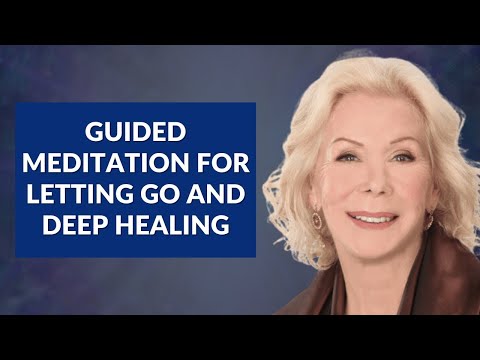
Well, that’s where meditation swoops in like a superhero. Seriously, it can do wonders for your spirit. One person who really gets this is Louise Hay. Her approach to meditation is all about healing from within.
Imagine letting go of that heavy baggage you’ve been carrying around. Sounds nice, doesn’t it? It’s not just about being calm; it’s about connecting with yourself on a deeper level.
So, if you’re curious about evening rituals and how to unwind before bed while nurturing your inner self, stick around! We’re diving into some insights that could change your vibe.
The Legacy of Louise Hay: Understanding Her Impact and Recent Developments
Louise Hay was a pretty influential figure in the self-help world, you know? She founded Hay House, which is now one of the biggest publishers of self-help and transformational books. Her teachings often revolved around the idea that our thoughts and beliefs can shape our experiences and health. This core belief really resonated with a lot of people, creating a kind of ripple effect throughout the wellness community.
One of her most famous concepts was that “you can heal your life.” Basically, she argued that by changing your thoughts, you could also change your reality. This might sound a bit cliché at times, but many folks found her ideas empowering. People started to embrace affirmations—those positive statements designed to counter negative thinking. And honestly? A lot of them swear by it!
Another key point in Louise’s legacy is her focus on self-love. She emphasized that for genuine healing to happen, you need to love yourself first. This message is crucial because it highlights how our own inner dialogue can impact our mental and emotional well-being.
With her passing in 2017, many wondered how her teachings would continue to evolve. Recent developments show there’s still a strong interest in her work. New workshops and online courses based on her principles have popped up everywhere, making it accessible for everyone.
The meditation titled “Evening Insights: Louise Hay’s Meditation for Inner Healing” reflects this ongoing legacy. It’s designed to help you unwind at night while fostering self-acceptance and positivity. Just think about it; many people are looking for ways to cope with daily stressors or anxiety. This meditation offers an avenue for reflection and personal growth.
So, what do we take away from Louise Hay’s impact? Here are some key points:
- Empowerment through Thoughts: Her belief that changing thought patterns can lead to profound changes.
- Self-Love as Foundation: Focusing on loving oneself is essential for overall healing.
- Continued Relevance: New materials and adaptations keep her teachings alive.
In a way, Louise Hay created a community around healing through love and positive thinking. It’s really cool how these ideas have endured over time and continue helping people today! So if you’re ever in need of some inner peace or just want to explore more about yourself, tapping into her resources might just be worth your while!
Exploring Louise Hay Affirmations for Healing: Empower Your Wellness Journey
It’s interesting to talk about Louise Hay and her approach to affirmations for healing. You know, like, she was a pioneer in the self-help movement. Her belief was that our thoughts and beliefs can really shape our lives, which is kinda wild when you think about it. So, let’s break it down a bit.
Affirmations are basically positive statements that you repeat to yourself. The idea is that by saying them often, they can help change negative thought patterns. Imagine telling yourself every day, “I am worthy of love and happiness.” Over time, that message can slowly shift how you see yourself.
One of the fun things about Hay’s approach is how she connects affirmations to physical healing. Like if you’re struggling with something specific—say, chronic back pain—she would suggest an affirmation like, “I am supported by life and my body.” It sounds simple, but it’s all about changing the narrative you tell yourself.
Now let’s say you’re feeling anxious or overwhelmed in the evenings. That’s where her Evening Insights comes into play. Picture this: at the end of a long day, you sit down for a few minutes of quiet reflection. You might close your eyes and take deep breaths while repeating soothing phrases like, “I release tension from my body” or “I embrace peace within myself.” It seems small but can be incredibly powerful for winding down mentally and emotionally.
Another thing I find pretty cool is how these affirmations encourage self-acceptance. They remind us that we are not alone in our struggles. When you affirm things like “I forgive myself for past mistakes,” it opens up this space for healing—kinda like giving yourself permission to be human.
Practicing these techniques regularly brings consistency into your wellness journey. You could even create a little ritual around them! For example:
Doing this daily can help solidify these new beliefs in your mind!
But here’s the catch: not everyone finds affirmations effective right away. And that’s totally okay! It’s important to be patient with yourself; sometimes it takes time for those positive vibes to sink in deeply.
In essence, using Louise Hay’s affirmations isn’t just about saying words; it’s about believing them too! As with anything related to self-improvement, what works best often varies from person to person. It’s all about finding what resonates with you personally.
So there you go! Exploring Louise Hay’s techniques could really open some doors on your wellness journey if you’re open to it.
The Publication History of Louise Hay’s ‘You Can Heal Your Life’: Key Dates and Insights
Louise Hay’s book, You Can Heal Your Life, is a significant piece in the realm of self-help and personal growth. It first hit the shelves back in 1984. Louise, who was like a pioneer in positive thinking and affirmations, wrote this book to help people tap into their inner power for healing, both emotionally and physically.
The original publication came at a time when people were looking for alternatives to traditional healing methods. Louise shared her own journey through struggles, including battling cancer, which made her insights feel real and relatable. This personal touch likely contributed to the book’s popularity.
In 1984, it was published by Hay House—a company that Louise founded herself. From the start, it became a bestseller and has sold millions of copies worldwide. Her approach combined spirituality with practical exercises, making it easy for readers to follow along.
Over the years, there have been several updates and revised editions of the book. For instance:
- 1999: A revised edition was released that included new chapters and insights based on feedback from readers.
- 2004: The book was further expanded with more examples of how to apply her teachings in daily life.
- 2010: A “20th Anniversary Edition” came out—it included additional resources and tools for readers.
Each edition built on the last, showing how Louise’s ideas evolved as she connected more with her audience’s needs. It wasn’t just about affirmations; it became about understanding your emotions better and applying self-love.
In terms of key insights from the book, one important aspect is that she emphasizes taking responsibility for your own life. She often said something like “You are not your past,” which stresses that we can change our narratives at any moment! This idea resonates with many individuals who’ve felt stuck in negative patterns.
Louise also introduced concepts like “mirror work,” where you’d look at yourself in the mirror while reciting affirmations. It may sound simple—maybe even silly—but many find it eye-opening! This practice encourages self-acceptance, something essential for personal growth.
Another significant element is her focus on forgiveness—both of others and oneself—as a key part of healing. Letting go can seem daunting but is often necessary for moving forward mentally and emotionally.
Even today, You Can Heal Your Life continues to inspire countless individuals seeking emotional healing or a positive mindset shift. The core message—that we all have the power within us to shape our lives—is timeless.
So when you think about its publication history, it’s not just about dates; it’s about how each release connected deeper with readers’ hearts over time!
You know, there’s something about evenings that just has a way of calming the mind and inviting reflection. After a long day filled with hustle and bustle, it feels like the world slows down. Maybe you’ve found yourself on the couch, with a warm drink in hand, pondering your day or even your life choices. This is where meditation can step in, like an old friend who’s ready to lend an ear.
I remember this one evening when I decided to try Louise Hay’s meditation for inner healing. It was after a particularly rough week. You know those times when everything just feels heavy? So I settled into my cozy corner, closed my eyes, and started listening to her soothing voice guiding me through the process. At first, it felt a bit awkward—like trying to find your rhythm in a dance class you didn’t really want to be at. But as I breathed deeply and let her words wash over me, something shifted.
Louise Hay emphasizes self-love and forgiveness in her meditations, which is honestly so needed sometimes. It’s easy to get caught up in negative thoughts or regret over mistakes we’ve made. But during that session, as I focused on letting go of those burdens and embracing love for myself instead, it was as if a weight was lifted off my shoulders. You could almost feel the warmth wrapping around you like a soft blanket—comforting and safe.
And here’s the thing: meditation isn’t always about solving all your problems in one sitting; it’s more like planting seeds for inner peace to grow over time. I realized that healing doesn’t happen overnight; it’s more of a journey where some days are easier than others.
After that evening meditation with Louise Hay’s guidance, I felt lighter and more open—a little freer from past grievances. Sure, life hasn’t magically become perfect since then (isn’t that how it goes?), but now I carry this small reminder with me: self-compassion is pretty important.
So next time you find yourself unwinding after a long day and need some clarity or healing, consider diving into some meditation—you might just discover insights waiting for you as you sit quietly with yourself.