You know that feeling when you just click with someone? It’s like magic! But sometimes, things get a little tangled up, right?
That’s where love languages come in. They’re not just cute phrases you hear on social media. They actually shape how we connect with each other.
Think about it. When you show love differently than your partner, it can feel like you’re both speaking different languages. Seriously, it can lead to some awkward moments.
So let’s dig into this whole love language thing and how they affect relationships. It might just give you a new perspective on connecting with the ones you care about!
Exploring Love Languages: The Psychological Dynamics of Relationships
Relationships can be quite the adventure, right? One of the most intriguing aspects is how we express and receive love. This brings us to love languages. Basically, love languages are about how you show affection and how you prefer to receive it. Understanding these can really shake things up in a relationship for the better.
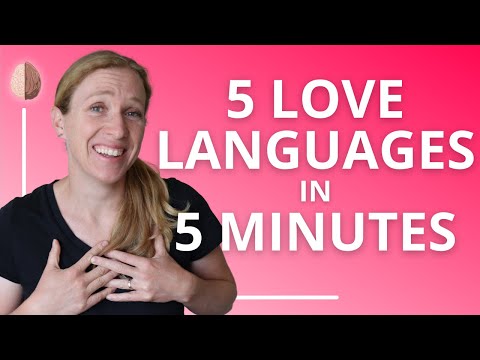
So what are these love languages? There are five main types:
- Words of Affirmation: This is all about verbal praise and compliments. If your partner lights up when you say “I appreciate you,” they’re speaking this language.
- Acts of Service: Actions speak louder than words here. When someone does something helpful or thoughtful—like making breakfast or taking care of chores—that’s love in action.
- Receiving Gifts: Now, before you roll your eyes, it’s not just about material things. It’s about the thoughtfulness behind the gift. A little surprise can mean a lot.
- Quality Time: Nothing beats that undivided attention. For some people, sharing activities or just hanging out without distractions is what fills their emotional tank.
- Physical Touch: Some folks express love through hugs, kisses, or cuddling. It’s all about that physical connection that makes them feel loved.
Imagine this scenario: Let’s say you have a friend who always tells you how amazing you are—like every time you meet up. That’s clearly someone who speaks words of affirmation. On the other hand, maybe your partner surprises you by doing your chores while you’re having a rough day. That’s an example of acts of service.
The thing is, mismatched love languages can lead to misunderstandings. Imagine one person thrives on physical touch while their partner shows love through gifts. Each might feel unloved because they don’t get what they need from the other person.
Getting into this stuff doesn’t have to be rocket science! It requires some open conversations and a bit of self-reflection. Try asking yourself: What makes me feel cherished? Or what do I do to show my loved ones I care?
When partners understand each other’s love languages, it creates a deeper bond. You start seeing things from their perspective! You may even find out that your initial way of showing love doesn’t resonate with them at all.
In short, recognizing and respecting these different love languages can totally transform relationships for the better! So why not take some time to explore yours and those close to you? It might just open up new pathways to connection and happiness!
Exploring the Love Language Author Controversy: Insights and Implications
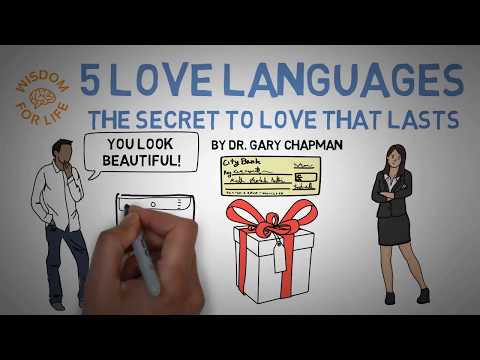
The Love Languages concept, created by Gary Chapman, has become a popular way to understand how people express and receive love. There are five love languages: words of affirmation, acts of service, receiving gifts, quality time, and physical touch. These categories resonate with a lot of folks because they simplify the complex nature of relationships.
But here’s the thing. Recently, there have been discussions about some controversies surrounding this framework. A lot of people have pointed out that love languages can oversimplify relationship dynamics. You know? It’s like trying to fit everyone into neat little boxes when human emotions are much messier than that.
One issue is that not everyone identifies with just one love language. Some people might feel loved through multiple ways, or they could change over time depending on their life experiences or mood. For instance, you might be all about quality time in one relationship but crave words of affirmation in another one—who’s to say that’s wrong?
There’s also the cultural perspective. Love isn’t universal; it’s deeply influenced by our backgrounds and environments. Some cultures emphasize actions over words or vice versa. That means applying a one-size-fits-all model like love languages can be tricky when you consider diverse cultural contexts.
Another point is the idea that identifying your love language will solve everything in your relationship might not always hold true. Knowing how you and your partner prefer to express affection can definitely help! But it can’t cure deeper issues like communication problems or unresolved conflicts. You still need those tools in your emotional toolbox!
And then there’s the whole debate about whether the idea itself promotes self-centered behaviors. Like, if you’re so focused on “my” love language that you forget to tune in to what your partner needs? That’s a recipe for disaster right there! Relationships are a two-way street; both partners need to feel understood and valued.
In summary, while love languages offer interesting insights into relationship dynamics, they shouldn’t be treated as absolute truths or solutions to all problems. They provide a starting point for discussions but are no substitute for genuine connection and communication between partners.
You see? Relationships are complicated—much more than just matching up boxes on a checklist! It’s essential to keep exploring what really works for you and your partner beyond just these categories.
Exploring the Connection Between Love Languages and Childhood Experiences
Love languages> are all about how you express and receive love. It’s fascinating, but what’s even more interesting is how our childhood experiences shape these languages. You know, the way we were loved or not loved as kids can really influence how we connect with others in adulthood.
Firstly, let’s break down the five love languages: words of affirmation, acts of service, receiving gifts, quality time, and physical touch. Each person has a primary love language that resonates more deeply with them. So, if you grew up in a household where words were always flowing—like constant “I love yous” and compliments—you might find yourself thriving on words of affirmation>. Conversely, if your parents showed their care through actions—like making your favorite meals or helping with homework—you might lean more towards acts of service>.
Now, consider that little kid who was showered with hugs and cuddles after every achievement. That kid might grow up valuing physical touch>. The warmth and security they felt as a child could lead them to express love in similar ways with partners later on. When they go through life, they may find themselves craving those same warm embraces when times get tough.
On the flip side, if someone experienced less affection growing up—or had parents who weren’t very physically expressive—they might struggle to understand physical affection in relationships as adults. They may prefer quality time>, feeling more connected through shared experiences rather than physical closeness.
It gets tricky when you think about mismatched love languages between partners. Let’s say one person values receiving gifts>, believing that thoughtful presents show love. If their partner is someone who primarily speaks acts of service>, they could end up missing each other completely! The gift-giver feels unappreciated when no gifts come their way while the act service person thinks they’re showing love by tidying things up or running errands.
Another layer to this is trauma from childhood or unmet needs during those formative years. If a child frequently felt neglected or unworthy of love because their needs were ignored—maybe due to an overly critical parent—they might develop an anxious style of relating later on. This often inflates how significant *any* expression of affection becomes for them as adults; it’s like they’re trying to fill an empty cup from their past.
In addition to parenting styles, broader family dynamics play a role too! Some people grow up surrounded by siblings vying for attention—it creates competition for love and acceptance. In such cases, healthy communication becomes vital because these individuals may tend to see relationships as transactional: “If I do something nice for you, will I get something nice back?” They may end up presuming that others feel the same way about expressing and receiving love.
Looking at all these factors can give real depth to understanding our own behaviors in relationships! Understanding your own love language and where it comes from can be illuminating. Not only does it help you communicate better with your partner but also lets you address any unresolved emotions tied to your upbringing.
So yeah, exploring how **childhood experiences** impact your love language isn’t just eye-opening; it can totally transform how you relate with others! From understanding why certain expressions resonate so deeply to addressing areas where healing is needed—it’s all part of the journey toward building healthier relationships moving forward!
You know how everyone seems to express and receive love differently? That’s where the idea of love languages comes in. This concept, popularized by Gary Chapman, suggests there are five main ways people show affection—words of affirmation, acts of service, receiving gifts, quality time, and physical touch. So basically, it’s about how you connect with someone on an emotional level. But what’s really interesting is how these different love languages play into the dynamics of relationships.
Let’s say you’re in a relationship where one person thrives on words of affirmation. They light up when they hear “I appreciate you” or “You mean so much to me.” Meanwhile, their partner might feel loved through acts of service—like when their partner does the dishes or helps out with errands. If they’re not tuning into each other’s languages, that relationship can quickly turn into a game of misunderstanding and frustration. It’s like trying to use a phone charger from one brand with another; it just doesn’t work.
I remember a friend who had this breakthrough moment in her relationship. She used to feel kinda neglected since her boyfriend wasn’t super verbal about his feelings. He’d cook dinner and surprise her with thoughtful gestures but would rarely say “I love you.” One day, she came across the idea of love languages and realized what was happening. They sat down and talked about it—what really mattered most for both of them—and found such common ground after that! It was pretty cool seeing them grow closer just by understanding each other’s needs.
The beauty here is that once you recognize your own love language and your partner’s, it can make dealing with conflicts way easier too! You start looking beyond just your own feelings. You get curious about why your partner behaves a certain way or what makes them feel valued.
But here’s the kicker: sometimes people switch up their love languages depending on the circumstances or even their mood! Like if they’re stressed at work, all they might need is some downtime together instead of constant chitchat or affection. And then other times? They might crave more hugs or complimenting words to lift their spirits.
It can be a wild ride figuring out these dynamics. The key takeaway? Communication is everything! You don’t have to be a relationship expert but being open about what feels good for you can make all the difference in keeping that connection alive and thriving. In relationships, feeling understood truly goes a long way—so finding your groove together helps build something stronger than ever before!