You know how sometimes you really vibe with someone? Like, everything just clicks? That’s what emotional connections are all about.
But here’s the kicker: not everyone feels or shows love in the same way. It’s kinda wild, right? There’s this whole concept called love languages that helps explain it.
Basically, it’s like a different way of speaking the same language of affection. Understanding these can totally boost your relationships—whether it’s with a partner, friend, or family member.
So, if you’ve ever felt a bit lost in how to connect with someone you care about, stick around! We’re diving into the different love languages and how they can shape your emotional ties.
Explore Emotional Connections: A Guide to Love Language Types and Interactive Quiz
Emotional connections are like the secret sauce in relationships. They make everything richer and worth it, right? One cool way to understand these connections is through something called **love languages**. Basically, it’s about how you and your partner express and experience love.
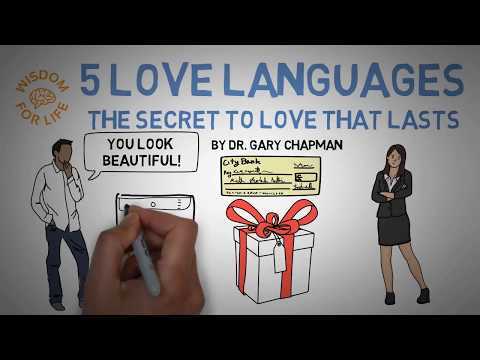
There are five main love languages according to Dr. Gary Chapman:
- Words of Affirmation: You know, compliments and kind words can really boost someone’s mood. Ever had someone tell you they’re proud of you? Feels great, huh?
- Acts of Service: This one’s all about doing stuff for your partner, like cooking dinner or running errands. It shows that you care by taking action.
- Receiving Gifts: It doesn’t have to be big or expensive! A little surprise gift can mean a lot if that’s what speaks to your partner’s heart.
- Quality Time: Just being together without distractions is huge. Think movie nights or walking in the park—simple but effective!
- Physical Touch: Hugs, kisses, or even holding hands; this language can make people feel loved and accepted.
So, how do you find out your love language? Well, there are quizzes made just for this! They usually ask straightforward questions about what makes you feel appreciated. And guess what? Your partner can take it too! This way, both of you can learn how to communicate love in a way that resonates most.
You might be surprised how different people express love differently! I remember a friend who felt totally unloved because her partner was always busy helping out with chores (acts of service). She craved more verbal affirmations instead—like «I appreciate everything you do!» It took them a while to figure this out; they were speaking different love languages!
Once they understood each other’s needs better, everything changed for the better! Conversations became deeper and more meaningful. That’s why knowing each other’s love language makes a big difference.
Understanding love languages is not just for romantic relationships; it works for friendships and family too! When everyone knows how to connect emotionally, bonds strengthen naturally.
If you’re curious about exploring emotional connections further, why not try taking a quiz together with your loved ones? It’s fun and insightful—who wouldn’t want that? You’ll learn so much about each other while growing closer!
So remember: emotional connections thrive on understanding and communication. Embrace those differences when it comes to love languages; they can turn an ordinary relationship into something extraordinary.
Exploring the Four Types of Love Relationships: A Comprehensive Guide
Love comes in so many flavors, right? You’ve got your romantic connections, friendships, family ties—each one can feel totally different. Basically, understanding the types of love relationships can help us navigate our emotional lives a bit better. So let’s break it down into four main types based on love languages.
1. Eros: Romantic Love
This is all about passion and desire. Think butterflies in your stomach when you see that special someone! Eros is often fiery and intense. It’s the kind of love you feel when you’re head over heels in a new relationship. You know those moments when everything feels perfect? Yeah, that’s Eros at work.
2. Storge: Familial Love
Next up is Storge, which refers to the deep affection found in familial relationships. It’s that warm feeling you get when you’re with family or close friends who feel like family, you know? This love is often unconditional and grows stronger over time. Like when your sibling annoys you but you’d still do anything for them—that bond is what Storge represents.
3. Philia: Friendship Love
Philia is all about friendship; it’s built on mutual respect and shared experiences. Think about your best friend—someone who gets you like no one else does! This love is less about romance and more about companionship and loyalty. It flourishes through trust and shared memories, creating a sense of belonging that’s really comforting.
4. Agape: Unconditional Love
Finally, there’s Agape, or selfless love. This type goes beyond personal gain; it’s all about giving without expecting anything back. You might feel this kind of love for people you don’t even know well or even strangers sometimes! Imagine volunteering to help others simply because it feels right—that’s Agape in action.
Each type has its own vibe and way of expressing itself through what are called “love languages.” Let me break down how these relate:
- Eros: Might express itself through physical touch—like cuddling or holding hands.
- Storge: Flourishes through acts of service—like making dinner for your family.
- Philia: Often involves sharing quality time—hanging out with friends without distractions.
- Agape: Shows up as words of affirmation—encouraging others without wanting anything in return.
Understanding these types not only helps us recognize our emotions but also how we connect with others on various levels—and that can make a huge difference in your relationships! It’s like having a map for navigating emotional connections; it just makes everything clearer.
So next time you’re feeling something for someone—a friend or partner—stop for a moment and think about what kind of love it represents and what language they speak! Recognizing these things might just deepen those connections even more than before.
Exploring the Connection Between Love Languages and Childhood Experiences
Oh, the connection between love languages and childhood experiences is super interesting and kinda complex! Let’s break it down, shall we?
So, everybody expresses and receives love differently. You might’ve heard about the five love languages: words of affirmation, acts of service, receiving gifts, quality time, and physical touch. These ways of expressing love can really trace back to how we were treated as kids. The way your parents or caregivers showed you affection shapes how you see relationships later in life.
Think about it like this: if you grew up in a home where hugs and cuddles were common, you might lean more towards physical touch as an adult. It feels familiar and safe. On the flip side, if your parents always praised you verbally—like saying “I’m so proud of you!”—you might crave those encouraging words from your partner now.
Here’s where it gets interesting: our childhood experiences can create these emotional patterns that stick with us. For instance:
- If you lacked affection: Maybe your parents weren’t very affectionate, so now, you find yourself giving gifts to feel connected because that’s what stands out to you.
- If your parents helped a lot: If they did things for you when you were sick or overwhelmed, acts of service could be your go-to language. You might show love by helping others in need.
- If quality time was rare: If family dinners or game nights didn’t happen much at home, as an adult, you could treasure every moment spent with loved ones.
- If verbal affirmations were frequent: Someone who got a lot of encouragement could end up seeking that validation in relationships; “You’re amazing!” becomes essential to how they feel loved.
It’s all about comfort zones! Remember my friend Sam? Growing up, he was showered with gifts on his birthdays but barely saw his parents during the week because they worked late. Now he finds himself giving elaborate presents to his partner but struggles to just spend uninterrupted time together without distractions.
Also, let’s not forget that these languages don’t just change between partners; they can shift based on different relationships too! You might speak one love language with friends and another with family or a partner.
Sometimes, exploring this connection can lead to breakthroughs in understanding yourself better and improving your relationships. If there are patterns that don’t serve us well—like feeling neglected when we need words of affirmation—we can actually start to change those dynamics.
So basically, digging into your childhood experiences may reveal why certain love languages resonate more deeply for you than others. It’s like piecing together a puzzle; every childhood moment contributes to the bigger picture of how we connect emotionally today!
You know, when it comes to our relationships, understanding how we connect with each other can make a world of difference. Have you ever really thought about what makes you feel loved? Or maybe, how your partner shows love? It’s interesting because people express affection in different ways, and these are often called love languages.
I remember chatting with a friend who was feeling pretty disconnected from her partner. They seemed to be arguing more often than not. So, we had this heart-to-heart about their love languages. Turned out, she craved words of affirmation—like compliments or sweet notes—while he showed his affection through acts of service—doing chores or running errands. She’d feel ignored when all she wanted was a kind word, and he felt unappreciated because she overlooked the little things he did for her. Once they figured that out, it was like a light bulb went on!
There are five main love languages: words of affirmation, quality time, receiving gifts, acts of service, and physical touch. Each one is unique in its expression and how it resonates with individuals. For instance, some folks thrive on compliments; others might melt at the thought of spending uninterrupted time together—like those lazy Sunday mornings cuddled up on the couch.
What’s pretty wild is realizing that what feels like love to you may just pass unnoticed by someone else. Like if you’re big on physical touch but your partner doesn’t really think much of it—it can lead to misunderstandings or a sense of emotional distance.
At the end of the day, understanding these emotional connections isn’t just about being conscious of yourself; it’s about being aware of your loved ones too! So whether it means writing an unexpected note to brighten someone’s day or clearing some time for heartfelt conversations over coffee, knowing their love language can shift everything.
So yeah, if you haven’t yet explored your own love language or those around you—that could be a game changer in building stronger connections. It’s all about making sure everyone feels seen and appreciated!