So, let’s chat about something that’s really important but often kinda heavy: major depression. You know, that feeling when everything just seems gray and heavy? Yeah, it’s tough.
But here’s the thing—depression isn’t all the same. There are different types, and understanding them can actually shed some light on what you or someone you care about might be going through.
It’s like when you walk into a coffee shop. You see different options on the menu—latte, espresso, cappuccino—you get me? Well, major depression has its own flavors too!
Some folks might feel down for a long time, while others might experience these intense lows and then bounce back. Crazy how diverse it can be, right?
Let’s break down these types a bit and see what makes each one unique!
Understanding the Four Major Types of Depression: A Comprehensive Guide
When it comes to depression, things can get pretty complicated. You might think of it as just feeling sad or down, but there’s a lot more to it. There are actually four major types of depression, and knowing about them can help you understand the different ways this condition can affect people.
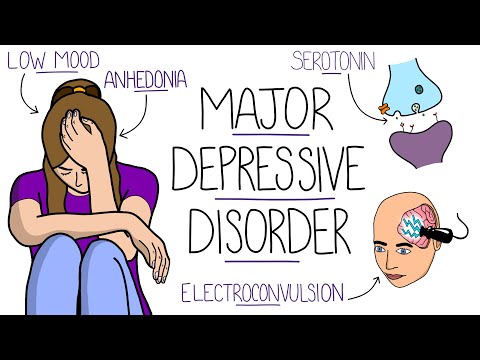
1. Major Depressive Disorder (MDD) is probably the one you’ve heard of the most. It’s like a heavy cloud that just doesn’t lift. People with MDD often feel hopeless, lose interest in things they once enjoyed, and may have trouble sleeping or eating. Imagine someone who used to love painting but now can’t pick up a brush because everything feels pointless.
2. Persistent Depressive Disorder (PDD), also known as dysthymia, is more like a long-lasting drizzle instead of a storm. This type lasts for at least two years and can feel like a constant low mood. People might function in daily life but feel chronically unhappy or dissatisfied, like walking through life with sunglasses on—everything looks fine from the outside, but inside it’s all gray.
3. Bipolar Disorder, while not strictly classified under depression alone, includes episodes of serious depression alongside periods of mania or elevated mood. It’s as if your emotional state is on a rollercoaster; one moment you’re soaring high with lots of energy and ideas, and the next you might crash down into deep sadness that feels overwhelming.
4. Seasonal Affective Disorder (SAD) is linked to changes in season—usually starting in the fall and lasting through winter when there’s less sunlight. Think about those dark winter months that seem never-ending; people with SAD may feel increased fatigue, irritability, or weight gain during this time due to lower levels of sunlight impacting their mood.
- MDD: Heavy feelings combined with lost interest in hobbies.
- PDD: Chronic low moods over an extended period.
- Bipolar Disorder: Mood swings ranging from high energy to deep despair.
- SAD: Seasonal changes affecting your mood and energy levels.
The thing is, everybody experiences these feelings differently. You could meet someone who seems totally fine on the outside but is struggling internally with one type of depression or another—it can be really sneaky that way! For instance, take my friend Sarah; she always seemed upbeat at parties but was battling MDD behind closed doors for years. It took her some time to realize she wasn’t alone and reach out for help.
Understanding these types isn’t about diagnosing yourself or others—that’s best left to professionals—but simply getting informed so you can recognize when something feels off in your life or within your loved ones’ lives.
If you’re feeling down often or know someone who is going through tough times emotionally, just remember that being kind and understanding goes a long way! In many cases, support from friends can have a powerful impact, even if it’s just listening without judgment.
So yeah! There’s definitely more than one flavor when it comes to understanding depression—and knowing these types helps us be more compassionate toward ourselves and others who are navigating this part of life!
Exploring the 7 Types of Depression: Understanding Symptoms and Treatment Options
Depression can feel really heavy, can’t it? When you or someone close to you is going through it, it’s important to understand that there are different kinds. Each type has its own symptoms and treatment options. Let’s explore some various types of depression so you can get a clearer picture of what’s going on.
1. Major Depressive Disorder (MDD)
This is the one most people think about when they hear «depression.” It usually involves feeling hopeless, sad, or uninterested in things for at least two weeks. You might also experience changes in sleep patterns or appetite. Treatment often includes therapy and medication.
2. Persistent Depressive Disorder (Dysthymia)
Picture this: feeling like a gloomy cloud is following you around for two years or more. That’s Dysthymia for you. It’s less intense than MDD but more chronic, which means it hangs around longer. People usually benefit from long-term therapy and sometimes medication.
3. Bipolar Disorder
With bipolar disorder, you’ll experience mood swings that take you from the highs of mania (lots of energy) to the lows of depression. Symptoms might come and go, making it tricky to diagnose at first since people mostly focus on the depressive episodes during evaluations.
4. Seasonal Affective Disorder (SAD)
If winter makes you feel down in the dumps every year, this could be SAD talking! It often happens as the days get shorter and colder, leading to feelings of sadness or lethargy during those months. Light therapy is one common treatment; seriously, it helps raise those spirits!
5. Postpartum Depression
After having a baby, many new parents deal with significant emotional shifts—this isn’t just baby blues stuff! Postpartum depression can leave someone feeling very low even after a few weeks or months post-birth. Professional help is key here as well, with options ranging from therapy to medication.
6. Premenstrual Dysphoric Disorder (PMDD)
This one’s specifically related to your menstrual cycle; PMDD can bring severe mood swings and irritability right before your period starts. The symptoms are intense but usually fade once menstruation begins. Treatment may involve lifestyle changes along with medications like antidepressants.
7. Atypical Depression
With atypical depression, some might feel oversensitive to rejection or find that their mood lifts temporarily in positive situations but still struggle overall with symptoms like increased sleeping and overeating—kind of a classic case of “I’m fine until I’m not.” Treatments here often mix lifestyle strategies with medications.
Feeling overwhelmed? You’re not alone! Recognizing these forms could be the first step toward understanding yourself or supporting someone else on their journey through rough emotional waters.
Treatment options vary depending on the type of depression but often include:
- Therapy (like CBT or talk therapy).
- Medication (antidepressants may help).
- Lifestyle changes (exercise is known to boost mood).
- Support groups.
Each journey through depression is unique; just know that understanding these types can lead toward better support systems and effective treatments!
Exploring the 12 Types of Depression: A Comprehensive Guide to Understanding Mental Health Variations
Depression can be a tricky topic, and if you’ve ever felt the weight of it, you know it can come in different flavors. So, let’s break down some common types of depression to get a better handle on what they are.
1. Major Depressive Disorder (MDD) is probably the one people hear about the most. It’s when feelings of sadness or loss of interest linger for weeks or even months, disrupting daily life. Imagine feeling like you’re stuck in a fog that just won’t clear up.
2. Persistent Depressive Disorder (Dysthymia) is like the low-grade version of MDD. You might feel down for years but not hit that full-blown depressed state. It’s like wearing a heavy coat even when it’s not freezing outside.
3. Bipolar Disorder involves mood swings between high-energy periods (mania) and those deep lows we associate with depression. It’s like riding an emotional rollercoaster where you’re sometimes at the top and feeling unstoppable, but other times you drop down into despair.
4. Seasonal Affective Disorder (SAD) hits when the seasons change, especially in winter months when there’s less sunlight. You might find yourself feeling blue as daylight fades and wanting to hibernate until spring comes back around.
5. Postpartum Depression, which can occur after having a baby, often includes overwhelming feelings of sadness or anxiety that make it tough to care for your little one or yourself. It’s more than just “the baby blues.” You’re tired, overwhelmed and may struggle with bonding—it’s tough stuff.
6. Psychotic Depression combines depression with psychotic features such as hallucinations or delusions. When someone experiences this, they might hear voices or believe things that aren’t true while also grappling with extreme low moods—definitely a double whammy!
7. Atypical Depression can look different from classic symptoms—like having more mood reactivity or increased sleepiness instead of insomnia. People dealing with this might find comfort in food or social connections more than others would during depressive episodes.
8. Situational Depression, sometimes called adjustment disorder with depressed mood, often pops up after stressful life events like job loss or a breakup. It’s your mind’s way of reacting to significant changes—a natural response but still heavy to bear.
9. Premenstrual Dysphoric Disorder (PMDD), which affects some women in the days leading up to their period, includes severe mood swings alongside physical symptoms like cramps—it’s intense! You’re not just cranky; it’s often debilitating emotionally and physically.
10. Substance-Induced Mood Disorder, where drugs or alcohol trigger major depressive symptoms once they wear off, is a slippery slope too often overlooked—the fun times can quickly give way to deep feelings of sadness once substances leave your system.
11. Melancholic Depression, characterized by severe despondency, lack of interest in pleasurable activities, and physical symptoms like weight loss and insomnia, can feel intensely isolating—it’s almost as if all joy has been sucked out of life completely.
Finally, 12. Comorbid Depression, when depression coexists with another mental health condition such as anxiety disorders or PTSD, complicates everything—you end up juggling multiple issues at once which makes finding effective treatment more challenging than ever!
It’s important to remember that recognizing these types doesn’t mean someone should “just get over it.” Feelings matter! So understanding these distinctions helps bring clarity not only for those experiencing them but also for friends or family trying to support them through tough patches in life—a solid reminder that everyone faces their battles differently on this complicated road called mental health.
Major depression isn’t just one thing. It’s more like a bunch of different shades of the same color, each affecting people in unique ways. When you hear the term “major depression,” you might think it’s all about feeling sad or down, but, there’s definitely more to it.
For instance, you might have a friend who seems to go through life feeling constantly heavy or weighed down by something invisible. That could be what we call “melancholic depression.” This type often means feeling really low and has this almost physical heaviness to it—like carrying around a backpack full of bricks. And when I say heavy, I mean emotionally draining too! It can be tough because on top of everything else, there might not even be a clear reason for the sadness.
Then you have “psychotic depression,” which is just as intense but adds another layer of complexity. You can imagine someone struggling not just with that deep sense of despair but also with hallucinations or delusions. It’s like being stuck in this fog where you can’t tell what’s real and what isn’t. That takes things to a whole different level.
Another interesting form is “atypical depression.” This one’s a bit tricky because it doesn’t match up perfectly with the usual symptoms people expect from major depression. People with atypical depression might feel sad but also experience things like increased appetite or sleeping too much—totally opposite from what you’d associate with typical depressive episodes.
And honestly? Each type makes navigating life that much harder for folks affected by it. It’s like trying to find your way through a maze without any map; every turn feels uncertain and daunting.
There was this time when I saw a family member go through one of these depressive episodes; they were usually so vibrant and full of life! But suddenly, they couldn’t get off the couch or find joy in anything they used to love. Just witnessing that change felt so heartbreaking. Seeing someone struggle because their brain chemistry was outta whack—and knowing it wasn’t just about being sad—gave me a whole new perspective on how we should talk about mental health.
So yeah, major depression comes in all sorts of flavors, each impacting daily life differently. Recognizing those differences can help us be kinder and more understanding towards ourselves and others who are dealing with these heavy burdens—even when they look different from our own experiences.