You know that feeling when everything just seems heavy? Like you’re walking through mud, and every step is a struggle? That’s a glimpse of what Major Depressive Disorder can be like.
It’s not just about feeling sad. It’s deeper, more complex. Sometimes, the weight can feel unbearable.
But here’s the thing: it affects way more people than you might think. It’s not picky; it can hit anyone at any time. You might even know someone dealing with this and not even realize it.
So let’s chat a bit about Major Depressive Disorder. We’ll unpack some stuff—what it is, how it feels, and why understanding it matters. Sound good?
Comprehensive Guide to Understanding Major Depressive Disorder: Symptoms, Causes, and Treatment Options
Major Depressive Disorder, often shortened to MDD, is more than just feeling sad for a few days. It’s a serious mental health condition that can affect your life in profound ways. Let’s break this down into simpler terms.
First off, the symptoms of major depressive disorder can vary, but they generally fall into a few key categories:
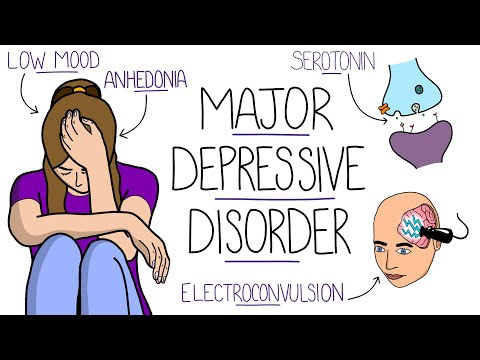
- Persistent Sadness: You might feel a deep sense of hopelessness or sadness that doesn’t seem to go away.
- Lack of Interest: Activities you once enjoyed may suddenly feel pointless or uninteresting.
- Changes in Sleep: Some folks sleep too much while others struggle to sleep at all.
- Weight Fluctuations: Loss of appetite or emotional eating can also happen.
- Trouble Concentrating: You may find it hard to focus on tasks that used to be simple.
- Feelings of Guilt: You might constantly feel worthless or guilty without any clear reason.
- Thoughts of Death: In severe cases, some people experience thoughts about dying or self-harm.
I remember hearing about a friend who loved painting. Out of nowhere, she stopped picking up her brushes and just sat in her room for weeks. That loss of passion can be gut-wrenching, right?
Now, when we talk about the causes, it gets a bit trickier because there isn’t one single reason someone might develop MDD. It tends to be a mix of factors:
- Genetics: If depression runs in your family, you might have a higher risk.
- Biosocial Factors: Imbalances in brain chemicals like serotonin and dopamine are often involved.
- Lifespan Stressors: Major life changes, trauma, or prolonged stress can trigger depressive episodes.
- Mental Health History: Previous mental health disorders increase the likelihood as well.
So many things could lead someone down this tough path. Think about how stressful life events—a breakup or job loss—can spiral into bigger feelings.
Now let’s chat about Treatment Options. There are several ways to address major depressive disorder:
- Therapy: Talking things out with a therapist can be super beneficial. Cognitive Behavioral Therapy (CBT) is particularly effective by helping change negative thought patterns.
- Mediation:
: Sometimes doctors prescribe antidepressants to help balance those pesky brain chemicals. Common options include SSRIs like fluoxetine (Prozac).
- Lifestyle Changes: Regular exercise and healthy eating can make significant differences over time. Even small walks outdoors help boost mood! li >
Support Groups: Connecting with others who understand what you’re going through can lessen feelings of isolation. li >
ul >
It’s important to remember that treatment looks different for everyone—what works wonders for one person might not help another at all.
In wrapping this up, understanding major depressive disorder means recognizing its complexity. From symptoms and causes to various treatments—there’s no one-size-fits-all approach. So if you or someone you know is struggling with this heavy burden, reaching out for support is absolutely crucial. We all deserve to feel better and find our way back to the light!
Understanding Major Depressive Disorder: Definition and Implications in Psychology
Major Depressive Disorder (MDD) is a serious mental health condition that affects how you feel, think, and handle daily activities. It’s more than just feeling “down” or having a bad day. We’re talking about persistent feelings of sadness or loss of interest that last for at least two weeks.
MDD has different symptoms that can swirl together, making life pretty tough. Some common signs include:
- Persistent sadness: You might feel hopeless or empty most of the time.
- Lack of interest: Things you once enjoyed don’t seem appealing anymore.
- Changes in appetite: You could be eating too much or too little.
- Sleep disturbances: Either insomnia or sleeping way too much is common.
- Tiredness: Low energy can make even simple tasks feel like climbing a mountain.
- Difficulties concentrating: Focusing on tasks can become a real challenge.
The thing is, MDD doesn’t discriminate. It can hit anyone at any age and affect people from all walks of life. For example, imagine someone who once loved painting but suddenly can’t even pick up a brush. This drastic change illustrates how deeply it can impact not just mood but identity as well.
The psychological implications are significant. MDD often affects relationships, work life, and overall quality of life. You might notice feeling isolated or misunderstood as friends and family may not fully grasp what you’re experiencing. It’s like trying to explain color to someone who’s never seen it—pretty tricky!
A major aspect of understanding MDD is recognizing its biodirectional relationship with stress. Life stressors—like losing a job or going through a breakup—can trigger MDD symptoms. Conversely, the disorder itself can make it harder to handle stress effectively, creating this annoying feedback loop.
Treatment isn’t one-size-fits-all either; what works wonders for one person might not do anything for another. Some may find relief through therapy, while others might benefit from medication like antidepressants. And then there are those who opt for lifestyle changes such as exercise or meditation to help cope better with their feelings.
You know, understanding Major Depressive Disorder isn’t just about recognizing the symptoms; it’s also about empathy and support systems around individuals affected by this disorder. A friendly ear or simple acknowledgment from others can make a world of difference in someone’s recovery journey…and that’s really important!
The key takeaway here? Major Depressive Disorder is complex and impacts many areas of life—not just the mind but emotional well-being too. By grasping its definition and implications within psychology, we step closer to fostering better understanding and compassion in our society.
Understanding Major Depressive Disorder: Symptoms, Diagnosis, and Treatment
Understanding Major Depressive Disorder can be pretty crucial, especially if you or someone you know is dealing with it. This is a serious mental health condition that affects millions. So, let’s break down what it is, some symptoms, how it gets diagnosed, and what treatment options are out there.
What Are the Symptoms?
Major Depressive Disorder (MDD) isn’t just about feeling sad. It can really zap your energy and enthusiasm for life. Here are some common symptoms:
- Persistent sadness: Like, feeling down most of the day almost every day.
- Lack of interest: Losing interest in activities that used to be fun—like hanging out with friends or hobbies.
- Changes in sleep: Either sleeping too much or too little—it’s like your body can’t decide.
- Appetite changes: Eating way more or losing your appetite completely; it’s a rollercoaster ride.
- Difficulties concentrating: Struggling to focus on tasks or make decisions can be super frustrating.
- Feelings of worthlessness: Constantly feeling like you’re not good enough or blaming yourself for things that go wrong.
- Thoughts of death or suicide: This is serious; if these thoughts ever cross your mind, please reach out for help immediately!
Sometimes, people don’t realize they have MDD because these feelings creep in slowly. It’s like one day you wake up and just feel… stuck.
The Diagnosis Process
Getting diagnosed usually involves talking to a healthcare professional—often a psychiatrist or psychologist. They’ll ask about your symptoms and how they impact your life. The tricky part is that there’s no single test for MDD; instead, it relies on criteria from the Diagnostic and Statistical Manual of Mental Disorders (DSM-5).
- A clinician will look at how long you’ve been experiencing these symptoms (at least two weeks).
- Your doctor will want to rule out other possible causes—like medical conditions or medications—that might mimic depression.
It might feel a bit overwhelming at first but talking openly about how you feel makes all the difference!
Treatment Options
Lucky for us, there are several ways to tackle MDD! It’s often a combination approach that works best:
- Therapy: Talking things through with a therapist can be super helpful. Cognitive Behavioral Therapy (CBT) is one kind where you learn to change negative thought patterns.
- Meds: Antidepressants might be prescribed by doctors; they help adjust brain chemicals that affect mood. But finding the right one can take time—it’s not always instant magic!
- Lifestyle changes: Regular exercise and a balanced diet can make significant differences in mood over time! Crazy how those feel-good hormones get stirred up when you’re active.
- Meditation & mindfulness: Practicing mindfulness can help manage stress and anxiety levels. Deep breathing and meditation techniques work wonders for some people!
The thing is, recovery isn’t usually linear; there might be good days and bad days. You have to give yourself grace while navigating through this.
In the end, understanding Major Depressive Disorder isn’t just about knowing the facts; it’s about recognizing that it’s okay to seek help when life feels too heavy. Remember: you’re not alone in this battle!
Major Depressive Disorder (MDD) is one of those things that can really shake your core. It’s that heavy blanket draping over you when you least expect it, making everyday life feel like climbing a mountain. So, what’s the deal with this condition? It’s not just about feeling sad for a couple of days. It goes much deeper than that.
When you look at MDD in a psychological context, it helps to see how it intertwines with our thoughts, emotions, and behaviors. For some folks, it can stem from a mix of biological factors—like brain chemistry—and environmental triggers such as stress or traumatic experiences. I remember a friend who went through a really tough breakup. At first, she thought she was just sad, but over time, it became clear that her feelings morphed into something far more complex. She started losing interest in things she once loved, like painting and hanging out with friends. Those classic signs crept in like uninvited guests at a party.
What’s interesting is how depression doesn’t always look the same on everyone. Some people might be quiet and withdrawn while others could be irritable or angry. This variability adds to the confusion; it can make you doubt your own feelings or even think you’re just overreacting. But seriously, your pain is valid!
One major aspect worth noting is the cognitive distortions that often accompany MDD. That’s all about how we perceive ourselves and the world around us—like wearing glasses that distort reality into something bleak and hopeless. You might start believing negative things about yourself that aren’t true or become fixated on past failures instead of recognizing any successes.
The social aspect is another big piece of this puzzle too! Relationships often take a hit when someone is struggling with depression. Friends may not know how to react or might distance themselves unintentionally because they feel overwhelmed or helpless too; it’s like everyone is navigating murky waters together without a map.
Also—let’s not forget the stigma attached to mental health issues! There are people out there still seeing depression as something you can just “snap out of.” But if only it were that simple! This misunderstanding makes reaching out for help seem daunting; it’s like standing at the edge of a cliff and wondering if it’s safe to jump.
In wrapping this up—without neatly tying everything up in a bow—it’s clear that Major Depressive Disorder isn’t just one thing but rather an intricate dance between biology, psychology, and environment. Recognizing its nuances allows not only those who suffer from it but also their friends and family to understand better what’s happening beneath the surface. And hey, if we start talking more openly about these struggles instead of hiding them away? We might create a space where healing feels less scary and more achievable for everyone involved!