You know that feeling when everything just feels heavy? Like, you’re walking through mud, and no matter how hard you try, you can’t seem to lift those feet?
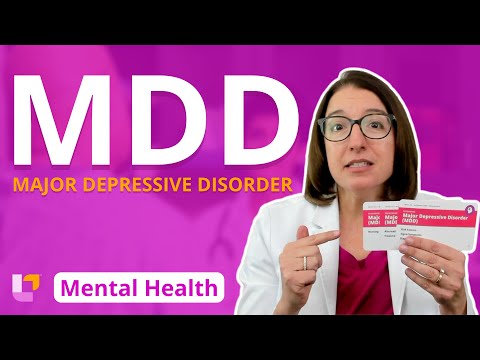
Yeah, that’s kinda what Major Depressive Disorder (MDD) can feel like. It’s not just “feeling sad.” It’s like being stuck in a fog where nothing seems bright or exciting anymore.
And here’s the thing: it can affect anyone. Seriously. From your best friend to someone you barely know. It doesn’t discriminate, and that just adds to the confusion.
So let’s chat about MDD in a way that makes it all a bit clearer. What it is, how it shows up in our lives, and maybe even how we can understand it better in each other. Sound good?
Understanding Major Depressive Disorder: A Comprehensive Guide to Symptoms, Causes, and Treatment Options
Major Depressive Disorder, often just called depression, is like that foggy day that just doesn’t seem to lift. It can mess with your mood, thoughts, and daily life. You might feel hopeless or lose interest in stuff you used to love. What’s tricky is that it affects people in different ways, ya know?
Symptoms of major depressive disorder can vary, but some common ones include:
- Feeling sad or empty most of the time.
- Loss of interest in activities you once enjoyed.
- Changes in sleep patterns—either sleeping too much or having insomnia.
- Shifts in appetite; you might eat more or less than usual.
- Trouble concentrating or making decisions.
- A sense of worthlessness or excessive guilt.
- Thoughts about death or suicide.
Imagine waking up each morning feeling like you’re dragging a weighted blanket around. That’s often how it feels for someone with depression. It’s not just about feeling sad; it can steal joy and energy from life.
But what causes this? Well, the truth is there’s no one-size-fits-all answer. Depression usually comes from a mix of factors:
- Biological factors: Changes in brain chemistry can play a big role. You might not have enough neurotransmitters like serotonin that help regulate mood.
- Genetics: If someone in your family has had depression, your chances increase. Think about it as stacking the deck against you a bit.
- Psycho-social factors: Life events like losing a job or going through a breakup can trigger episodes, especially if you’re already vulnerable.
The thing is, everyone’s experience with depression is unique. What causes one person to feel down might not touch another at all. It’s like we’ve all got our own emotional fingerprints!
Treatment options? They’re out there and they can help! Here are some approaches people find useful:
- Therapy: Talking things out with professionals like psychologists can be super beneficial. Cognitive Behavioral Therapy (CBT) helps change negative thought patterns into healthier ones.
- Meds: Antidepressants are common prescriptions for those struggling severely. They work by helping balance chemicals in your brain over time—though they aren’t magic pills and take patience!
- Lifestyle changes: Getting regular exercise and eating well can seriously affect how you feel. Even small changes can spark a bit of light back into your routine!
You see? Understanding Major Depressive Disorder is essential because it helps us recognize when we—or someone we care about—might be struggling. It isn’t just “being sad,” but something deeper that needs compassion and support.
If you think this resonates with you or someone else, remember reaching out isn’t a weakness; it’s a brave step toward feeling better! Living with depression requires awareness from both individuals and those around them to really navigate through those foggy days together!
Understanding Major Depressive Disorder: A Comprehensive Overview in Psychology
Major Depressive Disorder, often just called depression, can feel like this heavy cloud hanging over you, you know? It’s not just feeling sad or down for a little while. We’re talking about persistent feelings that can drain your energy and motivation. So what’s the deal with it?
First off, let’s look at the symptoms. They can vary from person to person, but some common ones include:
- Persistent sadness or low mood.
- A loss of interest in activities once enjoyed.
- Trouble sleeping, or sleeping too much.
- Feelings of worthlessness or guilt.
- Difficulties concentrating or making decisions.
Imagine waking up one day and feeling so exhausted that even getting out of bed feels like running a marathon. That’s what someone with depression might experience every day. And it’s not just mental; it sneaks into your physical health too. Some people report aches and pains without any clear reason!
Now, the causes can be pretty complex. There isn’t one single reason why someone develops Major Depressive Disorder. It’s often a mix of:
- Genetics: Family history can play a big role here. If someone in your family has it, you could be more likely to experience it too.
- Chemistry: It involves brain chemistry—like neurotransmitters (those little messengers in your brain) that affect mood and emotions.
- Environment: Tough life circumstances such as loss, trauma, or chronic stress can trigger symptoms as well.
You know how sometimes one bad day leads to another until you’re in this spiral? That’s how those environmental factors come into play for many people struggling with depression—one thing leads to another, and suddenly, you’re deep in a rut.
Treatment is super important! The good news is that Major Depressive Disorder is treatable. Common approaches include:
- Cognitive Behavioral Therapy (CBT): Aims to change negative thought patterns into more balanced ones. Think of it as giving your mind some mental spring cleaning!
- Medications: Antidepressants can help rebalance those pesky neurotransmitters we talked about before.
- Lifestyle changes: Simple things like regular exercise or eating well can make a real difference too—seriously!
You might think treatment sounds complicated but picture it like fixing up an old car. Sometimes you need new tires (meds), sometimes an oil change (therapy), and maybe just keeping it clean (healthy habits) will do the trick for maintenance over time!
The key takeaway? If you or someone you know feels stuck under that heavy cloud for too long—don’t hesitate to reach out for help! There’s support out there—that makes all the difference. Remember that mental health is just as important as physical health; we’re all human after all! And understanding what Major Depressive Disorder actually is helps break down some stigmas around it too.
The more we talk about it openly, the better we understand each other—and maybe we’ll even help someone feel less alone during their struggle!
Understanding Major Depressive Disorder Symptoms: Key Signs and Insights
So, let’s talk about Major Depressive Disorder (MDD). It’s one of those things that can feel totally overwhelming and confusing. But understanding the symptoms might make it a bit easier to wrap your head around. MDD isn’t just feeling sad for a few days. It’s more like a heavy cloud that just doesn’t seem to lift.
First off, let’s look at the emotional symptoms. You might feel really low, hopeless, or even worthless. Like, think of a time when you felt so down that even getting out of bed seemed like climbing a mountain. This kind of sadness sticks around—it doesn’t just come and go with the weather.
- Loss of interest: Ever loved something—maybe a hobby or spending time with friends—and then just… stopped caring? That’s what we call anhedonia. It can happen in MDD when things that once brought joy start to feel pointless.
- Emotional numbness: Sometimes people describe feeling like they’re going through the motions without actually feeling anything. Imagine watching your favorite movie but not even cracking a smile.
Now, let’s not forget about physical symptoms! Depression often messes with your body too. You might notice changes in your sleep patterns—like having trouble sleeping or sleeping way too much. It’s like your body just doesn’t know what it wants anymore!
- Fatigue: You can feel so drained that even simple tasks become mountains to climb—things like washing dishes or taking a shower can seem impossible.
- Changes in appetite: Some people eat way less than they used to, while others might find themselves eating more as a way to cope. Both can lead to noticeable weight changes.
Cognitive symptoms are another biggie! This is where your thoughts can go haywire. Have you noticed yourself having trouble concentrating? Like when you pick up a book and realize you’ve read the same page five times? Yeah, that’s common with depression.
- A negative thought spiral: It’s almost like being stuck in quicksand—you keep sinking deeper into negative thoughts about yourself or your life situation.
- Suicidal thoughts: In serious cases, some folks experience thoughts of self-harm or suicide. This is really tough and needs immediate attention from someone who knows how to help.
Anecdote time! I once knew someone who absolutely loved painting. One day, they just stopped picking up the brush altogether because they felt their work was worthless—a classic sign of MDD kicking in. It broke my heart seeing someone I cared about lose their passion and light over something they had loved so deeply.
The key takeaway? If you or someone you know is experiencing these signs for an extended period—like weeks or months—it might be worth talking about it with someone who gets it; not all heroes wear capes after all! Understanding these symptoms is vital because recognition is the first step toward finding some relief from this heavy cloud.
So if any of this resonates with you—or if you see it in someone else—don’t hesitate to reach out and talk about it!
Major Depressive Disorder (MDD) can feel like this heavy cloud hanging over you, even on the sunniest days. It’s not just sadness; it’s this engulfing feeling that makes everything seem more challenging. You know, like when you have this friend who’s usually super bubbly but then suddenly goes quiet and stops responding to texts? You want to reach out and ask what’s up, but sometimes it’s hard to understand what they’re going through.
MDD is complex. It’s got roots in biology, psychology, and even your environment. I remember a time when a close friend seemed to get swallowed by their own thoughts. They’d been dealing with some tough stuff at home and work, and it just got heavier over time. One day they broke down about how they felt stuck in a pit with no way out. That moment really shifted my perspective. I realized that for those grappling with depression, it often isn’t about just “snapping out of it.” There’s so much more beneath the surface.
From a psychological viewpoint, MDD can mess with your thoughts and emotions in ways you might not expect. Cognitive patterns—like how we perceive situations—can spiral down into negativity pretty fast. You might start believing you’re worthless or that things will never get better, which is intense and exhausting! Unfortunately, these thoughts can trap someone in this cycle that’s really hard to break out of alone.
The environment also plays a big role here. Stressful life events can trigger MDD or make existing issues worse. Imagine dealing with bullying at school or work stress piling up without any support—that’s bound to take a toll on anyone’s mental health.
Understanding MDD means looking at all these facets together; it’s not just an isolated condition but rather interconnected pieces of a larger puzzle. And sometimes recognizing this complexity can help us be kinder advocates for ourselves or friends who are struggling.
Every time I think about my friend’s experience or anyone else affected by depression, I realize how crucial empathy is. They need space to express what they’re feeling without judgment—not easy to do! But trying to foster an open dialogue might help someone feel less alone in their battle.
So yeah, Major Depressive Disorder isn’t just about being sad; it’s about comprehending the layers involved—the struggle between feelings, thoughts, biology, and environmental challenges—and learning how we can all support each other through it without making assumptions or minimizing their pain.