You know that feeling when everything has to be just right? Yeah, that’s perfectionism creeping in. It’s like a double-edged sword, huh?
On one side, you want to achieve greatness. But on the other? It can totally mess with your head.
Let’s chat about the hidden costs of being a perfectionist. It’s not just about getting things done; it can affect your moods, relationships, and even your self-worth. Seriously!
I mean, think about it. Ever felt stressed because you didn’t meet your own crazy high standards? Or maybe you avoided doing something because you were scared it wouldn’t be perfect?
We’ve all been there in some way or another! So let’s dig into this whole thing together and see what we find.
The Hidden Dangers of Perfectionism: Understanding Its Negative Impact on Mental Health and Well-Being
Perfectionism might seem like a desirable trait, right? I mean, who doesn’t want to do things well? But what’s the deal with it having hidden dangers? Let’s break it down.
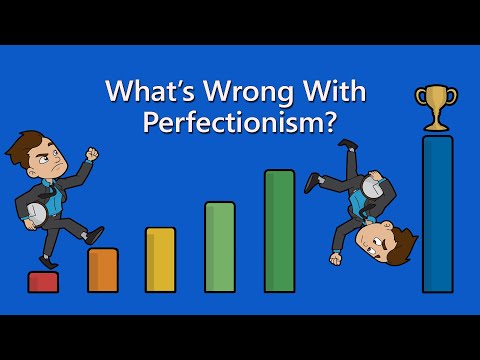
First off, perfectionism often leads to intense pressure. You might feel this relentless urge to meet high expectations—whether from yourself or others. This pressure can create a vicious cycle. You set the bar higher and higher, and when you inevitably miss it—because let’s be real, nobody’s perfect—you end up feeling frustrated or even worthless.
And then there’s that sweet little thing called fear of failure. It can grip you so tightly that you might start avoiding tasks altogether. Imagine putting off a project because you’re scared it’ll come out less than flawless. Sounds familiar? This avoidance can lead to missed opportunities and increased anxiety.
Another aspect is how perfectionism messes with your self-esteem. When your worth is tied up in being perfect, even tiny mistakes can knock you down hard. You might find yourself thinking, “I messed this up; I’m no good.” It’s like a rollercoaster of emotions where the dips seem way more common than the highs.
What about relationships? Yep, perfectionism can sneak into those too. When you’re constantly critiquing yourself or others, intimacy takes a hit. Your need for everything to be just right makes it tough to connect genuinely. Friends or partners may feel they’re under your microscope all the time.
And let’s not ignore mental health issues. Perfectionists are at higher risk for anxiety disorders, depression, and even burnout. It’s hard to keep up that facade of control when inside you’re fraying at the edges.
Sometimes people don’t notice they’re stuck in this cycle until it’s too late. For example, think about someone who ignores their health because they’re too busy chasing an impossible work standard. They may skip meals or forgo sleep just to get ahead on projects—all in the name of being perfect.
So what does this mean for you? Recognizing these patterns is vital if you’re feeling overwhelmed by perfectionist tendencies. Being aware is like turning on a light in a dark room; now you can see where those hidden dangers lurk.
In sum, perfectionism isn’t just about wanting things done right—it carries serious consequences for your mental health and overall well-being. Acknowledging its impact could be your first step toward finding that sweet spot between ‘good enough’ and striving for excellence without losing your sanity!
Understanding the Impact of Perfectionism on Mental Health: Causes, Effects, and Coping Strategies
Perfectionism can feel like both a blessing and a curse, can’t it? On one hand, striving for excellence might push you to reach great heights. But on the flip side, it often brings along a hefty burden that weighs down your mental health. Let’s break it down.
First off, what even causes this perfectionist mindset? Well, a lot of it stems from personal experiences and upbringing. Maybe you grew up with high expectations placed on you by parents or teachers. You might have gotten praise only when things were *just right*, not realizing how this could create a fear of failure.
So, what are the effects? Perfectionism can lead to feelings of anxiety and depression. When you set impossibly high standards for yourself and then inevitably fall short, it hurts! For instance:
- Constant stress: Living under pressure to be perfect can cause ongoing stress. Your body feels it too—think headaches or insomnia.
- Procrastination: Funny enough, the fear of not doing something perfectly can actually make you put off starting it! You get stuck in a loop.
- Low self-esteem: If you tie your worth to your achievements (which perfectionists often do), falling short leads to feeling worthless.
Now let’s talk about coping strategies because nobody wants to feel stuck in this cycle forever.
One effective way is to reframe your thoughts. Instead of thinking “I must be perfect,” try telling yourself “I’m human; mistakes are part of growing.”
Another method is practicing self-compassion. You know those moments when you’re hard on yourself? What if instead of critiquing every little thing, you treated yourself with kindness? It sounds nice, right?
Also, setting realistic goals can work wonders. Start small! If you’re aiming for a big project at work or school, break it down into bite-sized pieces that feel more manageable.
Lastly, surrounding yourself with supportive people helps—a lot! Having friends or family who accept flaws can give you permission to not be perfect all the time.
So yeah, while perfectionism seems like a way to drive success, understanding its hidden costs on mental health is crucial. By recognizing the patterns and actively working against them, you can find freedom from that relentless pursuit of flawlessness. And believe me, life feels way lighter when you’re not carrying that weight around.
Exploring the Impact of Perfectionism on Academic Performance: Key Insights and Strategies
Perfectionism is that nagging voice that tells you “you must be the best.” It feels like a goal, right? But here’s the kicker: it can totally mess with how well you perform academically. Sometimes, you might think you’re pushing yourself to achieve greatness, but really, you could be drowning in stress and anxiety.
So what exactly is perfectionism? At its core, it’s setting unrealistically high standards for yourself and being super critical when you miss the mark. It’s okay to aim high—who doesn’t want good grades? But perfectionism takes it further and wraps your self-worth into these academic achievements.
Fear of failure is a big part of it. Imagine you’re working on a paper for class. You spend hours stressing over every single word because you’re scared of getting less than an A. This fear can lead to procrastination or even total burnout. You end up spending so much time trying to make everything perfect that you lose track of deadlines or miss opportunities altogether.
Another hidden cost of perfectionism in school is comparison. Ever find yourself scrolling through social media and seeing classmates flaunt their perfect grades or shiny awards? You might feel like your efforts are just never enough in comparison. This can lead to feelings of inadequacy or imposter syndrome, where you doubt your successes and worry you’ll be «found out» as a fraud.
Now let’s break down how these patterns can affect performance:
- Procrastination: Because you’re waiting for that perfect moment or idea, you might delay starting assignments.
- Anxiety: The constant stress about meeting standards can really take a toll on your mental health.
- Low self-esteem: If all your worth hinges on grades, falling short can crush your self-image.
- Lack of enjoyment: School should be about learning! Perfectionism makes it feel like a chore instead.
And here’s where things get tricky: even if you do succeed academically while wrapped up in perfectionist tendencies, it often doesn’t feel as good as you’d think. Instead of celebrating achievements, there’s always another hurdle looming over your head waiting to be jumped over; there’s always room for improvement in your mind.
So what can help? A few strategies might save the day:
- Set realistic goals: Instead of aiming for flawless work on every project, focus on doing your best within set guidelines.
- Acknowledge mistakes: Remember that everyone messes up sometimes! Mistakes are part of learning—not proof that you’re failing.
- Cultivate self-compassion: Treat yourself kindly when things don’t go as planned; remind yourself it’s okay not to be perfect.
- Focus on progress: Instead of comparing yourself with others, look at how far you’ve come since last semester!
You know how they say practice makes perfect? Well, maybe it’s time to shift that mindset from “perfect” to “progress.” Embracing your imperfections isn’t easy; sometimes it feels scary! But letting go could unlock potential happiness and fulfillment along with academic success—how cool would that be?
In the end, remember that school isn’t just about grades—it’s about growing into who you’re meant to be!
Perfectionism can feel like that annoying friend who always demands more of you, no matter how hard you try. You know the type? Always pushing for the A+, even when a solid B would do just fine. Sure, striving for excellence can be motivating, but there’s a nasty side to perfectionism that we often shrug off.
It’s easy to think perfectionism only has upsides; like, it can make you super driven and focused. But what happens when that drive morphs into a relentless quest for flawlessness? Well, it comes with some serious hidden costs. Let’s paint a picture here: imagine you’re working on a project. You pour your heart and soul into it—late nights, endless revisions—only to feel completely unsatisfied when it’s finally done. Why? Because in your mind, it still doesn’t meet those impossible standards you’ve set.
That constant chase can lead to burnout and anxiety. I had a friend who was an artist, right? Her work was stunning—like gallery-level stuff—but she never showcased it because she felt it wasn’t “perfect” enough. That kind of thinking trapped her in this frustrating cycle where she created but never shared, locking away her talent from the world.
Then there’s the emotional toll that perfectionism takes on relationships. You might expect others to meet your high standards too—be it friends or family—setting everyone up for failure. If they don’t hit those marks, frustration and disappointment creep in, leaving behind a trail of strained connections.
Let’s not forget about self-criticism! The inner voice tells you that anything less than perfect is unacceptable. It’s harsh and unrelenting! Over time, this narrative can erode self-esteem and well-being—kind of like trying to put together IKEA furniture without the manual and getting all mad at yourself for every little hiccup.
So yeah, embracing imperfection might just be the antidote we all need sometimes. It doesn’t mean lowering standards; it means letting yourself breathe while reaching them! Learning to celebrate progress instead of fixating on perfection can change your whole vibe—not just in what you create but how you see yourself in the world too.
In the end, it’s about finding balance and recognizing that striving for excellence doesn’t have to come at such a high price emotionally or mentally. So maybe next time you’re tempted to go down that rabbit hole of perfectionism, take a step back and ask if it’s really worth it—you might find there’s beauty in being perfectly imperfect!