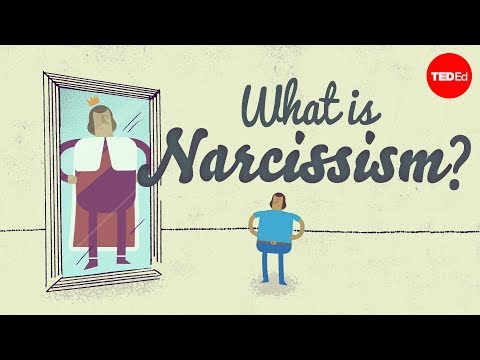
Okay, so let’s talk about something super interesting: malignant narcissism. It sounds all fancy and technical, but trust me, it’s not as complicated as it seems.
You know that person who always needs to be the center of attention? Like, they thrive on it. Now imagine that, but cranked up a notch. That’s basically what we’re dealing with here.
Malignant narcissism isn’t just about being self-absorbed. It mixes in some darker traits too—think aggression and a real lack of empathy. It can get pretty wild.
Ever had someone in your life who just couldn’t see beyond their own reflection? Yeah, that’s the vibe we’re talking about. It’s frustrating—and sometimes even scary.
So grab a comfy seat, and let’s unpack this together. You might just find it eye-opening!
Understanding the Impact of Malignant Narcissism: How It Affects Relationships and Mental Health
Malignant narcissism is a term that combines traits of narcissistic personality disorder with antisocial behaviors and some level of paranoia. It’s not just your average self-centeredness; it’s like a toxic cocktail that can seriously mess with relationships and mental well-being. Let’s break it down, shall we?
When you think of someone who might be a malignant narcissist, imagine a person who craves admiration but is also controlling and often manipulative. They might seem charming at first, but soon enough, you notice their lack of empathy—it’s like they don’t even notice how their actions affect others. Can you relate to feeling drained after spending time with someone like that? That’s not uncommon!
Relationships tend to suffer greatly when one partner exhibits malignant narcissism. The dynamic can become incredibly one-sided. You might find yourself always walking on eggshells, trying to avoid conflict, or constantly seeking their approval. You know how exhausting it is to feel like you’re competing for someone else’s attention or affection? That’s what many people experience in these situations.
On the flip side, the narcissist often thrives on this chaos. They manipulate situations to keep control, which might look like gaslighting—making you doubt your own feelings or perceptions. Imagine telling someone how their behavior hurt you, only for them to flip it back on you as if you’re the villain! It really twists the whole communication cycle.
Now let’s chat about mental health. Living with or too close to someone exhibiting these traits can lead to significant emotional distress. Many people end up feeling anxious or depressed because they’re constantly trying to please someone who seems insatiable in their demands for validation and control.
The constant emotional turmoil can lead to something called complex PTSD. This isn’t your run-of-the-mill stress; it’s more about enduring trauma over a long period. Symptoms could include feeling detached from reality, having severe trust issues, or being hyper-vigilant—always bracing for another emotional blow.
What’s important here is recognizing the patterns early on so that you can protect yourself better. If you’re noticing signs of manipulation or an overwhelming sense of hopelessness in your relationships, it might be time to reassess things. Setting boundaries is key! And seeking support from friends or mental health professionals can provide clarity and strength.
In sum, understanding malignant narcissism helps shine a light on how seriously it affects not just individual lives but also entire relationships. The emotional toll can be hefty, making awareness—and action—all the more crucial when dealing with such individuals in our lives. It won’t be easy but knowing what you’re up against helps move toward healthier dynamics eventually!
Exploring the Inner World of Malignant Narcissism: Insights and Implications
Malignant narcissism is one of those psychological terms that can sound super intimidating, right? But let’s break it down a bit. Imagine someone who’s not just self-centered but also manipulative, aggressive, and lacks empathy. That’s kind of the vibe we’re talking about with malignant narcissism.
So what exactly is it? Well, it combines typical narcissistic traits—like a deep need for admiration and an inflated sense of self-importance—with some darker elements like paranoia, aggression, and even antisocial behavior. It’s like the love-child of narcissism and sociopathy. Pretty wild!
Now, here are some key traits to watch out for:
- Grandiosity: This person sees themselves as superior to others and will brag about their achievements.
- Lack of Empathy: They struggle to understand or care about the feelings of others.
- Manipulative Behavior: They often use others for personal gain without feeling guilty.
- Aggression: Whether verbally or physically, they might lash out if they feel threatened.
- Paranoia: They can be suspicious and believe that others are out to get them.
Picture this: You’re friends with someone who constantly puts themselves first. Maybe you’ve supported them through tough times, but when you need help? Suddenly they’re too busy or don’t care enough to be there for you. That’s a classic sign!
And here’s where things get tricky. These individuals can wreak havoc on relationships—personal or professional. Their manipulation may leave you second-guessing yourself or even questioning your sanity. It’s exhausting!
The implications? Well, dealing with someone like this can lead to feelings of worthlessness in their victims. You might start to feel like you’re living in a whirlwind of chaos where every compliment feels like an insult hiding behind it.
Things get even more complicated when we think about how they might rise through the ranks at work or find themselves in positions of power. It’s not uncommon for people exhibiting these qualities to be charismatic at first glance; they can charm their way into leadership roles while leaving emotional wreckage in their wake.
But here’s the kicker: understanding malignant narcissism isn’t just academic—it affects **real lives**. Recognizing these traits early on can help you protect yourself from potential harm or emotional distress.
Overall, malignant narcissism isn’t just some fancy term thrown around in psychology circles—it’s a **serious issue** affecting people every day! Identifying it might just equip you with the tools needed to handle these challenging interactions better. And remember, it’s always okay to prioritize your own well-being when dealing with such complex personalities!
Understanding the Dark Triad Traits of Malignant Narcissism: A Comprehensive Guide
Malignant narcissism is one of those terms that might make you go, “Huh?” It’s like a psychological cocktail of some not-so-nice traits. You’ve got narcissism, antisocial behavior, and a splash of paranoia all mixed together. Basically, it’s a personality type that can wreak havoc in both relationships and workplaces.
So, what are the key components? Let’s break it down:
Narcissism is the first piece of the puzzle. Narcissists often think they’re superior to others. They crave admiration but lack empathy. Imagine someone who only talks about themselves in conversations, barely letting anyone else get a word in edgewise. Annoying, right?
Antisocial behavior is next on the list. This refers to a pattern of disregard for others’ feelings and rights. Think of it like someone who doesn’t just bend the rules but breaks them entirely without guilt or remorse. They might lie or manipulate to get what they want—classic red flags!
Then there’s the sprinkle of paranoia. This isn’t just your average suspicion; it’s a deep-seated belief that others are out to get them or undermine them. Ever met someone who’s always looking over their shoulder, convinced everyone is scheming against them? Yeah, that’s part of this trait.
The combo creates this intense and toxic personality—one that can be incredibly challenging to deal with in real life.
Now, let’s touch on some behavior patterns:
- Self-Centeredness: They often dominate conversations and focus solely on their own needs.
- Lack of Empathy: They can’t really understand or care about how others feel.
- Manipulative Tactics: Using charm or deceit to control situations and people around them.
- Rage Flare-ups: When they feel criticized or threatened, they can explode with anger.
- Superficial Relationships: Their connections tend to lack depth; instead, it’s often about what others can do for them.
Imagine a workplace where one person constantly takes credit for others’ hard work while throwing colleagues under the bus if things go south. It creates an environment filled with tension and distrust.
On a personal level, being around someone who displays these traits can feel suffocating. You might find yourself walking on eggshells all the time—never sure when they’ll lose their temper or turn things back around on you.
And it’s not just individuals; malignant narcissism can manifest within groups too! Think cliques that thrive on drama and manipulation; their dynamics resemble those individual tendencies but become even messier when several malignant narcissists are involved.
So yeah, understanding malignant narcissism gives you insight into why some people behave destructively. It helps you recognize these patterns early on—whether you’re navigating friendships or just trying to keep your sanity at work!
Malignant narcissism is one of those terms that sounds super clinical, right? But when you break it down, it’s all about understanding a certain kind of personality that can be pretty tough on others. Imagine someone who not only loves themselves but also has a bit of sadistic flair. They might crave admiration and power but can also exhibit a nasty streak that makes them dangerous.
Think back to a time when you encountered someone who just seemed to suck the energy out of every room they entered. You know, the kind of person whose charm quickly turns sour? That’s part of the charm with malignant narcissists. They often draw people in with their confidence and charisma but have this darker side that reveals itself over time.
In psychological terms, malignant narcissism combines traits from narcissistic personality disorder along with antisocial behaviors. So, while they’re all about bragging and being self-centered, they can also display aggression or manipulativeness that really crosses the line. It’s like they have this unquenchable thirst for control and dominance.
People caught in relationships with these types often find themselves feeling confused and drained. It’s like walking on eggshells; one moment they’re charming and engaging, the next they might lash out or belittle you just for being yourself. It really takes a toll on one’s self-esteem because it’s hard to keep your sense of reality intact when someone is constantly twisting it around.
Understanding this behavior isn’t just for professionals—it’s helpful for anyone trying to navigate these tricky social waters. Knowing what malignant narcissism looks like can help you set boundaries or maybe even protect yourself from getting too entangled with someone who could potentially hurt you emotionally.
But at the end of the day, it’s crucial to remember that not everyone who shows narcissistic traits is malicious. It’s a spectrum! Some folks may be self-absorbed but still capable of forming healthy connections. Malignant narcissism is more about those individuals whose need for control comes hand in hand with a darker intent—not just wanting attention but actively seeking to harm others’ well-being.
So yeah, while it might sound abstract at first, understanding malignant narcissism helps shine a light on how complex human interactions can get. Just keeping an eye out for those red flags in relationships can make all the difference in your emotional landscape!