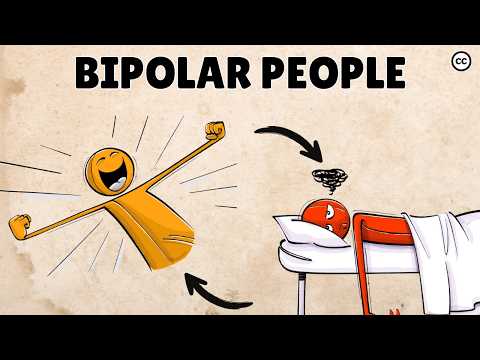
You know those days when you feel on top of the world? Like, everything is just clicking, and you can’t stop talking or working? Well, for some people, that feeling can get a little out of control.
We’re talking about manic episodes here. They’re not just a burst of energy; they can really shake things up in life. Imagine feeling invincible one moment and then crashing hard the next.
Bipolar disorder, that’s where this rollercoaster ride comes from. It’s complex but super interesting. So, let’s break it down together and make sense of what these manic episodes are all about. Ready? Cool!
Understanding Bipolar Perspectives: Insights into the Thought Processes of Individuals with Bipolar Disorder
Bipolar disorder can feel like an emotional rollercoaster. If you’ve ever met someone with this condition, you might have noticed that their moods swing between highs (manic episodes) and lows (depressive episodes). So, what’s going on in their heads during those manic phases? Let’s break it down.
When a person experiences a manic episode, it’s not just about feeling happy or energetic. Imagine waking up one day buzzing with more ideas than you can handle. Everything seems exciting, and your brain is firing on all cylinders. You might feel like you can conquer the world! You know how it feels when you have a great cup of coffee and suddenly everything seems possible? That’s kind of how a manic episode feels, but it’s way more intense.
During these episodes, individuals often think really quickly. It’s like having 10 tabs open on your browser at once—everything seems important, and you want to do it all! But here comes the kicker: this rapid thinking can lead to poor decision-making. Maybe they decide to spend lots of money or take big risks because they feel invincible.
Another thing to keep in mind is the elevated self-esteem that comes during mania. People may believe they are more talented or powerful than they actually are. This confidence might lead them to try things they normally wouldn’t, which can be thrilling but also dangerous.
And then there’s the need for less sleep. Picture this: you’re buzzing with energy at 2 A.M., feeling wide awake while everyone else is asleep. Maybe you’ve been there after a late-night study session or when you’re up chatting with friends? Now imagine that feeling stretched out over days or even weeks. That lack of sleep doesn’t just make them tired—it fuels their excitement and keeps them going!
On the flip side of things, when that manic phase ends, reality hits hard. The euphoria fades, leaving behind confusion and exhaustion. It’s like coming down from a high; everything feels heavy again.
It’s also important to acknowledge how these thought processes affect relationships with others. Friends may struggle to understand why someone goes from energetic chatterbox to silent introvert seemingly overnight. It can be tough for loved ones because they want to help but often don’t know how.
Understanding these perspectives gives insight into how individuals cope with bipolar disorder and helps create empathy towards their experiences—whether it’s riding the waves during mania or navigating through depression later.
In summary, people living with bipolar disorder experience unique thought processes during manic episodes that include:
- Rapid thoughts: Ideas come flooding in.
- Euphoria: Feeling powerful and confident.
- Lack of sleep: Energy surges even without rest.
- Poor decision-making: Risks taken due to feeling invincible.
Each person’s journey is different, so keep in mind that understanding these nuances helps build compassion and support for those who live this reality every day!
Understanding Manic Bipolar Disorder: Symptoms, Legal Implications, and Support Resources
Understanding Manic Bipolar Disorder can seem like a heavy topic, but breaking it down makes it way easier to digest. Let’s chat about what manic episodes are, the legal stuff that comes with them, and how you or someone you know can get some support.
First off, manic episodes are like this intense roller coaster ride. They’re a part of bipolar disorder, which is where mood swings happen between low points (depression) and high points (mania). During a manic episode, you might feel super energized or even euphoric. A person might talk really fast or jump from one idea to another without much pause. Imagine being on a caffeine high—totally wired and ready to conquer the world!
Here’s what you might notice during these episodes:
- Increased energy: You could feel like you have endless amounts of energy.
- Reduced need for sleep: Sleep might take a backseat—you could feel fine after just a few hours.
- Racing thoughts: Your mind might be moving so fast that it’s hard to keep up.
- Irritability: Sometimes that high energy can flip into annoyance pretty quickly.
- Poor decision-making: You’ll likely make choices without thinking through the consequences.
It’s important to remember that while these symptoms can seem exciting at first, they often lead to problems in relationships or even finances. I mean, who hasn’t had that moment when they bought something they absolutely didn’t need while feeling invincible? Yeah, that’s where things can go south!
Now, let’s talk about the legal implications tied to manic episodes. When people are in a manic phase, their judgment isn’t always the best. This means they could end up in legal trouble—like driving recklessly or making sudden financial decisions that land them in debt. Courts sometimes look at mental health when considering someone’s actions during these episodes. It varies by location and situation but could impact criminal cases or civil commitments.
Now for something hopeful: support resources! Mental health professionals play a huge role here and can help manage symptoms through therapy and medication. Have you ever thought about how important community support is? Whether it’s friends, family, or support groups, having people around who understand what you’re going through makes such a difference.
Some helpful resources include:
- NAMI (National Alliance on Mental Illness): They offer education and support for families and individuals.
- Bipolar Support Groups: Local meetups can be super helpful; connecting with others facing similar struggles is powerful.
- Crisis Hotlines: Always available if someone needs immediate help or just wants someone to talk to.
At the end of the day, understanding bipolar disorder—particularly mania—is crucial. It affects not just those living with it but everyone around them too. By getting informed and seeking support when needed, we can create an environment where recovery feels possible for everyone involved!
Understanding Manic Episode Symptoms: Key Signs and Effective Management Strategies
Manic episodes can feel like riding a rollercoaster—exciting but also a bit scary. When someone experiences a manic episode, especially in the context of bipolar disorder, it can change how they think, feel, and act. It’s important to understand what these symptoms look like and consider some strategies for managing them effectively.
Key Symptoms of Manic Episodes
During a manic episode, you might notice several key signs. First off, there’s an overwhelming sense of euphoria or extreme irritability. You could be on top of the world one minute and then ready to explode the next! That sense of grandiosity follows closely behind—like believing you have superpowers or that you can accomplish anything.
Next up is increased energy. You might find yourself buzzing around, unable to sit still or sleep much at all. Imagine binge-watching your favorite show but instead, you’re marathon-running through tasks! This energy boost can lead to impulsive behavior too—like spending money recklessly or taking risks that you’d usually avoid.
Another symptom often includes racing thoughts; it’s like your brain is trying to keep up with a speeding train! It can be hard to focus on one thing when your mind feels scattered all over the place.
Effective Management Strategies
Dealing with manic episodes requires a mix of strategies that help calm the storm. First, create a routine. A consistent schedule for sleeping, eating, and activities can provide some stability when everything feels chaotic. It’s not about being rigid but more about having structure.
Next is understanding triggers. Pay attention to what tends to spark these episodes in your life; it could be stress, lack of sleep, or changes in routine. Knowing your triggers helps you prepare for challenges ahead.
Engaging in mindfulness techniques can be super beneficial as well. Practices like meditation or deep-breathing exercises help ground you when everything feels overwhelming.
Lastly, don’t hesitate to lean on your support network. Talking to friends or family about what you’re experiencing can lighten the load significantly. Just knowing you’re not alone makes all the difference!
In essence, understanding manic episodes is crucial for anyone affected by them—be it yourself or someone close to you. Recognizing those symptoms empowers you to take charge and implement effective management strategies that’ll make riding out those ups and downs just a little smoother!
Manic episodes in bipolar disorder can be pretty complex, you know? The way they manifest can feel like a rollercoaster ride, both for the person experiencing them and for their loved ones. Imagine a friend of yours who, one minute, is just hanging out and having a normal chat. Then suddenly, it’s like someone flipped a switch. They’re talking super fast, bouncing from one idea to another, and practically bursting with energy. You might wonder if they’ve just had too much coffee or if something deeper is happening.
So here’s the thing: during manic episodes, people often feel elated or supercharged. They might have this overwhelming sense of euphoria or increased self-esteem that seems almost contagious at first. But as thrilling as that sounds, it can also lead to impulsive decisions—like spending sprees or risky behaviors—that don’t seem rational at all when the high fades away.
And let’s not forget how quickly things can shift! What starts as this intense burst of creativity or productivity can spiral into agitation and irritability. Picture that friend again; all that excitement could easily turn into frustration if someone doesn’t agree with them or tries to rein them in. It’s like riding on a wave—sometimes exhilarating but also kind of frightening because you never really know where it’ll take you.
Anecdotally speaking, I remember listening to someone share their story about living with bipolar disorder. They described how during manic episodes they’d write pages upon pages of ideas but then couldn’t make sense of any of it when things calmed down again. The feeling was addictive while it lasted—but the crash afterward? That was another story entirely.
Understanding these episodes is important because it helps us see that it’s not just about mood swings; it’s about navigating an emotional landscape that’s ever-changing and unpredictable. It brings up empathy for those going through it—and reminds us to approach these situations with care and compassion instead of judgment.
So next time you hear someone talking about manic episodes in bipolar disorder, remember there’s more going on beneath the surface than just excitement or erratic behavior—it’s a whole emotional journey that deserves our understanding and support.