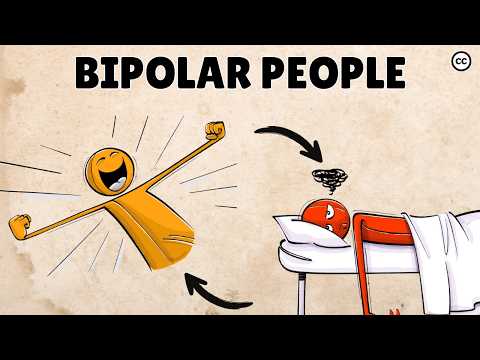
You know, life can feel like a rollercoaster sometimes. One minute you’re on top of the world, full of energy and ideas. Then, outta nowhere, you hit rock bottom, feeling like you can’t even get out of bed.
That’s what manic depressive disorder—also known as bipolar disorder—can be like. It’s not just about mood swings; it’s more complex than that.
Imagine riding those high highs and crushing low lows. It can mess with friendships, work, and just about everything else. You follow me?
So, let’s chat about what this really means for those living with it and how they navigate the ups and downs. It’s all about understanding the ride!
Understanding the Signs of High Functioning Bipolar Disorder: Key Indicators and Insights
Alright, let’s talk about high functioning bipolar disorder. It’s a bit different from what many people think of when they hear “bipolar.” So, what is it? Basically, individuals with high functioning bipolar disorder can often maintain their daily lives while experiencing ups and downs. The key thing here is that they manage to keep things going even though they’re dealing with some serious emotional rollercoasters.
One common aspect you might notice is the manic episodes. During these phases, someone may feel an intense surge of energy, creativity, or even euphoria. But here’s the kicker: they can still be productive. Imagine someone who works overtime like a champ because they’re buzzing with ideas! They might be super social and dive headfirst into new projects, all while not realizing how fast they’re speeding down that emotional highway.
Then we have the depressive episodes. These can hit hard and often come after those manic highs. You might see someone who was just on cloud nine suddenly feeling completely drained and hopeless. They could withdraw from friends or lose interest in things they once loved—like that sweet hobby that used to light them up. This shift can be confusing for both them and those around them.
- Irritability: You’ll notice that during manic phases, irritability can spike too. Little things might set them off. This could look like snapping at friends or feeling frustrated over minor inconveniences.
- It’s not just highs and lows; sometimes it’s quick shifts within a single day. You could see someone go from excited about dinner plans to feeling overwhelmed by it all in minutes.
- Often disrupted! During mania, they might barely sleep at all but still feel energized! When depression hits? It’s like sleeping beauty but without the happy ending—sleeping too much or having trouble falling asleep.
- People with high functioning bipolar disorder might put immense pressure on themselves to succeed all the time, fearing their mood swings will be seen as weaknesses.
You know what’s interesting? Many individuals don’t realize they have this disorder until much later in life. Their ability to function well can mask it for years! It’s almost like living in a shadow where one really shines sometimes but battles through heavy clouds at others.
Navigating relationships with someone who has high functioning bipolar disorder takes understanding and patience. They may seem fine one moment and then vanish into their own world the next—and that can feel pretty jarring! Being aware of these signs helps not only them but also those around them grasp what’s happening beneath the surface.
The most important takeaway here? If you’re sensing something’s off—don’t hesitate to ask more questions or seek professional guidance for clarity when it comes down to mental health stuff. Just being there for someone can make all the difference!
Essential Coping Skills for Bipolar Disorder: Downloadable PDF Guide
When it comes to coping skills for bipolar disorder, or what some people call manic-depressive disorder, it’s all about finding ways to manage the emotional rollercoaster. You know, that wild swing from high energy and euphoria to crushing lows? It can be tough, but there are definitely some essential skills that can help you navigate these ups and downs.
1. Routine Establishment
Building a daily routine is super important. Regular sleep patterns can make a big difference in mood stability. Try waking up and going to bed at the same time every day. It sounds simple, but trust me, consistency helps!
2. Mindfulness Practices
Mindfulness techniques like meditation or deep breathing exercises can ground you during turbulent times. Picture this: when you’re feeling overwhelmed by racing thoughts or intense emotions, taking a few minutes to focus on your breath can help pull you back into the moment.
3. Emotional Regulation
Learning how to identify and express your feelings is key. When you’re aware of what you’re feeling—whether it’s anger, sadness, or joy—you can figure out healthier ways to cope with those emotions. This means writing in a journal or simply talking it out with someone you trust.
4. Healthy Lifestyle Choices
Don’t underestimate the power of a balanced diet and regular exercise! Eating nutritious foods and getting some physical activity releases those happy chemicals called endorphins, which can really lift your mood.
5. Support Systems
Connecting with friends and family who understand what you’re going through is invaluable. They can offer support when things get rough, reminding you that you’re not alone on this journey.
6. Medication Management
For many folks dealing with bipolar disorder, medication plays an important role in stabilizing mood swings. It’s crucial to work closely with your healthcare provider to find what works best for you and stick to the prescribed routine.
7. Creativity Outlets
Engaging in creative activities like painting or writing can be cathartic! Expressing yourself through art allows you to channel emotions into something beautiful instead of letting them spiral out of control.
These coping strategies are just the tip of the iceberg! Each person’s experience will differ, so exploring various methods and finding what fits best for you is part of the journey toward better managing bipolar disorder.
So keep in mind: whether it’s developing routines or tapping into creativity, there’s no “one size fits all” solution here! What works for one person might not work for another—and that’s totally okay! It’s about discovering your unique toolbox filled with coping strategies that resonate with your personal experiences.
Understanding the Thought Processes of Individuals with Bipolar Disorder
Bipolar disorder, also known as manic-depressive illness, is like a rollercoaster ride for the mind. It’s not just about having mood swings; it’s about experiencing life at extremely high highs and rock-bottom lows. You might be curious about how this affects thought processes, so let’s break it down into some key areas.
Understanding Manic Episodes
During a manic phase, thoughts can race like a speeding car. You might feel unstoppable and full of big ideas, but here’s the kicker: that speed can make it hard to focus on one thing at a time. Imagine trying to juggle five balls while riding a unicycle; it’s thrilling, but chaotic! People often say they feel invincible or exceptionally creative during these times. So when someone with bipolar disorder is in this state, they may leap from one idea to another without much thought for the consequences.
Depressive Episodes
Now flip the script. In depressive episodes, everything seems heavy—like carrying around a backpack filled with bricks. Thoughts can become dark and overwhelming. Simple tasks might feel impossible, and decision-making turns into a maze with no exit. You know that feeling when you’re stuck in bed on a Sunday morning? That’s what everyday activities can feel like during this phase.
Why It Matters
Understanding these shifts is crucial for both individuals living with bipolar disorder and their loved ones. The rapid changes in thought processes are not just mood swings; they affect how decisions are made and how relationships are experienced.
- Impulsivity: During manic phases, someone might make sudden decisions—like spending a ton of money or quitting a job—often without thinking them through.
- Isolation: In depressive phases, individuals may withdraw from friends or family due to feelings of worthlessness.
- Increased Creativity: Some people find that their manic episodes provide bursts of creativity or productivity; think of artists or writers who channel this energy into their work.
The Importance of Support
Having support can really help navigate these ups and downs. Friends or family who understand the condition can lend an ear or offer gentle reminders when someone gets lost in those intense emotions. Also, therapy and medication can provide stability in those extreme moments.
Remember that each person experiences bipolar disorder differently, so there isn’t a one-size-fits-all approach here! The key takeaway? Recognizing how thoughts fluctuate helps us better understand those living with bipolar disorder and lends itself to more compassion all around.
Manic Depressive Disorder, or Bipolar Disorder as it’s often called, is like riding a rollercoaster—one minute you’re flying high, feeling invincible, and the next, you’re dropping into a deep valley. It’s a wild ride that can be super confusing for both the person experiencing it and those who care about them.
I remember a friend of mine, let’s call her Sarah. She was one of those people who lit up any room she walked into. In her manic phases, she’d plan spontaneous road trips or pick up new hobbies like painting or learning guitar overnight. It was like watching someone bursting with creativity and energy. But then came the lows. There were days when she could barely get out of bed, overwhelmed by sadness that seemed to consume her whole being. The contrast was shocking—to see this vibrant person suddenly retreat into themselves felt heartbreaking.
What’s really tricky about Bipolar Disorder is the unpredictability of it all. You might think you’re getting used to the highs and lows, but then boom! A new wave hits, and nothing feels familiar anymore. Relationships can be strained because friends and family often don’t know how to react. It’s tough to understand why someone you love can go from joyfully planning dinner parties to not wanting to leave their room for days.
And let’s talk about stigma for a second; it’s like adding salt to an open wound. Many people still see mental health issues as a taboo subject or something that’s “all in your head.” This can make folks with Bipolar feel isolated when they need support the most. It’s like trying to swim through molasses while everyone else is zipping by on jet skis.
It really emphasizes how important understanding and empathy are in our interactions with others facing this challenge. Learning about what it means to live with Bipolar Disorder can turn confusion into compassion. So many people feel alone in their struggles when actually they’re just part of a larger community facing similar ups and downs.
At the end of the day, navigating this disorder isn’t just about managing symptoms; it’s also about finding ways to connect—whether through therapy, support groups, or simply leaning on friends who get what you’re going through (or at least are willing to try). The journey may be complicated with its peaks and valleys, but there are brighter days ahead if you keep reaching out and holding onto hope amidst the chaos.