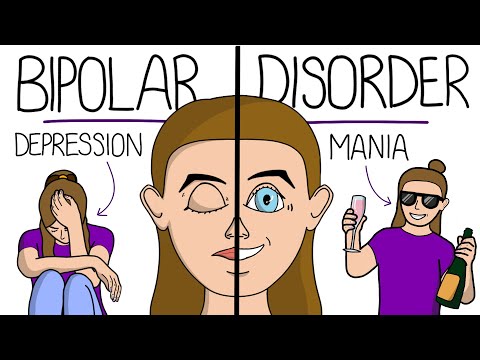
So, let’s talk about manic episodes. You know, those times when everything seems a bit… larger than life?
Imagine having so much energy that you feel like you could run a marathon—like, seriously, the whole thing! It’s exciting, right? But there’s more to it than just feeling hyped up.
Sometimes it can get overwhelming. Like, when your mind races faster than you can keep up. It might feel amazing at first but then spirals into chaos.
In the thick of it, things can get confusing—for you and for those around you. So, what’s really going on during those manic moments? Let’s dig into that together.
Understanding Behavioral Patterns During Manic Episodes: Insights and Implications
Manic episodes can be quite a rollercoaster, you know? They’re not just about feeling happy or energized. When someone is in a manic state, their behavior can really shift from how they usually act. Basically, it’s like flipping a switch.
During these episodes, you might see an increase in energy levels. But it’s not just that; people often feel an intense sense of euphoria or irritability. So if you’ve ever seen someone who seems overly excited one moment and then suddenly on edge the next, that’s part of the package.
What are some common behavioral patterns during manic episodes? Here are a few that stand out:
- Increased Activity: People often take on too much at once. You might find someone starting multiple projects without finishing any.
- Racing Thoughts: It’s like their brain has hit fast forward. This can make conversations jumpy and hard to follow.
- Impulsivity: Think of making spontaneous decisions without considering the consequences—like spending money recklessly or saying things that seem out of character.
- Reduced Need for Sleep: They may go days with little to no sleep but still feel completely energized, which can be bewildering!
- Grandiosity: This is when someone has an inflated sense of self-importance—like they believe they’re capable of anything.
I remember a friend who went through this phase where she thought she could start her own business overnight. She was buzzing with energy but ended up overcommitting to so many things that she couldn’t keep up after the episode passed. It was exhausting for her!
Now, understanding these patterns is really important because they have implications for both the person experiencing them and those around them. Family and friends might find it hard to keep up or know how to respond appropriately during these times.
So yeah, what happens after a manic episode? Typically, there’s a crash into depression or at least a drop in mood and energy levels. It’s like coming down from a high—sudden and often quite jarring.
Understanding these behavioral patterns helps us empathize with what someone is going through. It also allows loved ones to provide support in ways that genuinely help rather than hinder recovery.
To wrap things up, recognizing the signs and phases of manic episodes can really change how we approach mental health discussions overall. You never know who might need a little understanding on their journey!
Understanding Manic Episodes: Symptoms, Causes, and Treatment Options Explained
Manic episodes are really intense experiences that people with bipolar disorder go through. They can feel like you’re on top of the world, but it’s not as great as it sounds. Let’s break down some key points about what they are, why they happen, and how to manage them.
Symptoms of Manic Episodes
When someone is in a manic state, you might notice several things going on. It’s like they’ve switched to hyperdrive. Common symptoms include:
- Euphoria or irritability: They may feel incredibly happy or easily frustrated.
- Increased energy: Think about how you feel after a strong cup of coffee—only way more intense!
- Rapid speech: You know those times when someone just can’t stop talking? That can happen a lot.
- Poor decision-making: This might be when they suddenly decide to quit their job or make impulsive purchases.
- Sleeplessness: Instead of needing rest, they may feel like sleep is overrated.
It can get pretty overwhelming for both the person having the episode and those around them.
Causes of Manic Episodes
So, what triggers these episodes? Well, there isn’t one size fits all answer. It can be a mix of things!
- Genetics: If bipolar disorder runs in your family, there might be a higher chance of experiencing manic episodes.
- Chemical changes in the brain: Neurotransmitters play a huge role here. If they’re outta whack, that can lead to mood swings.
- Stressful life events: Things like losing a job or going through a breakup could spark something.
- Lack of sleep: Sleep deprivation can really mess with your brain chemistry and sometimes kick off an episode.
Understanding these causes helps shed light on why people behave the way they do during manic phases.
Treatment Options
Managing manic episodes usually involves a combination approach. Here are some common methods:
- Mood stabilizers: Medications like lithium help balance mood swings. They’re kinda like leveling out the rollercoaster!
- Psychotherapy: Talking with a therapist can help identify triggers and develop coping strategies.
- Lifestyle changes: Encouraging regular sleep patterns and routines can make a huge difference.
- Avoiding drugs and alcohol: Substances often make everything worse during an episode; this is crucial for stability.
So managing manic episodes isn’t just about medication—it’s also about creating an environment that promotes balance.
Understanding manic episodes gives insight into how complex our minds are. It’s not easy for those who experience it or the people who care about them. But with proper support and understanding, many find ways to navigate this tricky territory successfully.
Understanding the Symptoms of a Manic Episode: Key Insights and Awareness
Understanding Manic Episodes: Let’s chat about what a manic episode really is. If you’ve heard of bipolar disorder, you might know that these episodes can be a big part of it. Basically, during a manic episode, someone feels really high—like they’re on top of the world, but it’s not just happiness. There’s so much more going on beneath the surface.
So, what are some symptoms? Well, here are a few key ones to think about:
- Euphoria or Irritability: You might feel on cloud nine or just super irritable. For some people, small things become major annoyances.
- Increased Energy: It’s like you’ve had ten cups of coffee! You have tons of energy and feel like you can conquer anything.
- Racing Thoughts: Your brain is working overtime. Thoughts come and go so fast that it’s hard to keep up with them.
- Decreased Need for Sleep: You could be wide awake after just a few hours of sleep. Some people feel like they don’t need to sleep at all.
- Poor Decision-Making: This is tough—you might make impulsive choices that you wouldn’t normally consider, like spending wildly or engaging in risky behaviors.
- Heightened Creativity: On the flip side, some people find themselves bursting with creative ideas during these times. It’s like every thought inspires another!
For example, imagine someone who works for weeks on a big project but suddenly decides to quit because they got an amazing idea for a startup. They’re pumped about it and ignore warning signs—like having no business experience!
But it’s not all fun and games—this rush can lead to serious consequences if not managed properly. Relationships may strain under this pressure as friends and family struggle to understand what’s happening.
Anecdote Time! A friend once told me about their brother who was in the middle of a manic phase. One night he woke everyone up planning an impromptu road trip across several states because he was convinced he’d meet his “destined partner.” It felt exhilarating at first until everyone realized he hadn’t thought through logistics—like money or making sure his car was even ready for such a trip!
Recognizing these symptoms is crucial—it can help individuals get support when they need it most. Awareness allows friends and family to step in when things start spiraling out of control.
If you know someone experiencing changes in their mood or energy levels, being supportive without judgment makes all the difference. Just remember: compassion goes a long way when helping someone navigate through tough times like this one!
You know, when we talk about manic episodes, it’s super important to look at them in the context of mental health. Imagine being on a roller coaster that just won’t stop. That’s kinda what it feels like for someone experiencing mania, right? The highs can be exhilarating—like you’re on top of the world. Everything seems brighter, and you feel this rush of energy that’s just hard to describe.
So, here’s the thing: a manic episode is often part of bipolar disorder, but not everyone experiences it in the same way. Some people might feel really creative during these times. They start new projects or come up with brilliant ideas, but others could get a bit reckless—spending too much money or saying things they don’t mean. It’s like being in a whirlwind where you can’t quite catch your breath.
I remember my friend Sam had a manic episode once; it was intense. One minute he was bubbling over with ideas for his art project, the next he was planning an impromptu trip across the country without any sleep. On one hand, it was kind of exciting to see him so alive; on the other hand, I could sense his energy spiraling out of control. We didn’t sleep for days as he bounced from one idea to another. We had fun—but looking back now, I can see how it was pretty overwhelming for him and those around him.
Now while those high-energy moments can seem amazing at first glance, they often lead to some serious consequences later on. Afterward often comes that heavy crash when reality sets back in—it’s like being dropped suddenly from that dizzying height into an emotional pitfall. And that can be really tough.
Understanding manic episodes means recognizing both sides—the thrill and excitement, sure! But also how they can lead to significant challenges afterward—like mood swings or feelings of guilt when things settle down again.
It’s about empathy too—you’ve got to realize these episodes aren’t something people choose or can control easily. They happen because of complex interactions in their brain chemistry and life circumstances…and that’s huge when offering support or just trying to understand what they’re going through.
So yeah, navigating these high points in mental health isn’t always straightforward; it brings along its own set of ups and downs that anyone living through it has to tackle head-on. Just being there for someone during those manic phases can make a big difference—because sometimes all they need is someone to help ground them when everything feels chaotic!