You know how sometimes you just can’t figure out why you feel a certain way or why you do things? Yeah, same here. It’s like there’s this puzzle of human behavior that we all kinda try to solve.
Well, one guy, Abraham Maslow, thought a lot about this stuff back in the day. He came up with this cool idea called the Hierarchy of Needs. It’s like a staircase that shows what really drives us as humans.
From basic stuff like food and safety to bigger dreams like love and self-fulfillment, it all ties in together. Imagine starting at the bottom and working your way up to what truly makes you tick!
So let’s chat about this hierarchy thing. It could totally help us make sense of ourselves and those around us. Ready? Let’s break it down!
Understanding Human Motivation Through Maslow’s Hierarchy: A Comprehensive Analysis
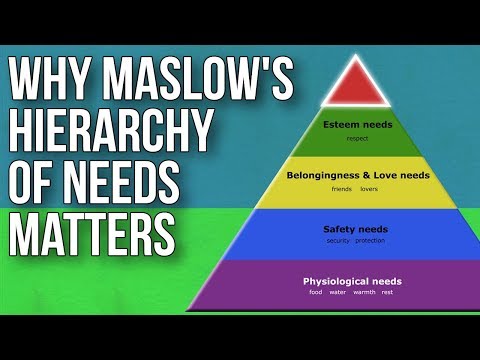
Maslow’s Hierarchy of Needs is, like, one of those classic ideas in psychology that many people know about. You could think of it as a ladder of human motivation, where basic needs start at the bottom, and higher-level needs sit at the top. It’s kind of cool how this framework helps us understand what drives our actions.
1. Physiological Needs: These are your survival needs: food, water, shelter, sleep. Think about it—if you’re starving or freezing, everything else really takes a backseat. Imagine trying to study for an exam on an empty stomach. It’s just not gonna happen!
2. Safety Needs: Once we’ve got the basics down, we crave safety and security—like a steady job or a safe home environment. Remember that feeling when you finally found out your job was secure after months of uncertainty? That relief is huge.
3. Love and Belongingness: Now we get to the whole social aspect! We want to feel loved and accepted by others. Friends and family matter a lot here; they’re our support system. Ever felt alone in a crowd? Yeah, not fun.
4. Esteem Needs: This is all about feeling good about ourselves—self-esteem and recognition from others play a big role here. When you ace a presentation at work or get praised for something you did? That rush feels great!
5. Self-Actualization: At the top of the pyramid sits self-actualization—basically reaching your full potential and doing what makes you happy and fulfilled. This might look different for everyone: maybe it’s pursuing art or following your dream career path.
So yeah, Maslow believed that we can’t really focus on higher-level needs unless the more basic ones are met first! It’s like trying to build a treehouse without laying down the foundation first—you need solid ground to start from.
In real life? Picture someone who’s super stressed about paying rent (physiological) likely won’t be thinking much about their passions (self-actualization). They’re going to be focused on finding ways to keep their roof over their head instead!
Maslow’s idea shines light on why different people are motivated by different things based on where they are in life—even if they seem trivial sometimes, those basic needs shape our larger goals and dreams.
In conclusion, grasping Maslow’s Hierarchy helps us understand ourselves better and empathize with those around us too! We all have our battles at various levels of this hierarchy—it gives us insight into why we feel driven or stuck at times depending on what’s happening in our lives right now!
Exploring the 7 Fundamental Human Needs: A Comprehensive Guide
Exploring the 7 Fundamental Human Needs
Okay, so let’s talk about what actually drives us as humans. You know, it’s not just about food and shelter. There’s way more to it! Maslow’s Hierarchy of Needs gives us a cool framework to understand human motivation. Originally, he laid out five needs, but we can also think about two more that pop up over time. Here’s a simple breakdown:
- Physiological Needs: These are the basics—food, water, warmth, rest. Without these, you’re in big trouble. Imagine going camping without food or water; not fun at all!
- Safety Needs: Once your stomach is full, you want to feel safe and secure. This includes physical safety and financial security. Ever felt anxious when your job was on shaky ground? That’s exactly this need kicking in.
- Belongingness and Love Needs: Humans are social creatures. We crave connection with others—friends, family, romantic partners—whatever floats your boat! Think about how great it feels to get together with friends after a long week.
- Esteem Needs: Now we’re talking self-esteem and recognition from others. It’s like when you work hard on a project and finally get that praise—it boosts your mood like nothing else!
- Cognitive Needs: This is where things get interesting! You need to learn and explore—your brain craves knowledge like a sponge soaking up water. When was the last time you learned something new that really excited you?
- Aesthetic Needs: Isn’t beauty amazing? Whether it’s art or nature, we have this need for harmony and beauty in our lives. Picture yourself standing before a breathtaking sunset; it just hits differently.
- Self-Actualization Needs: This is the big one—the desire to become the best version of yourself! It might mean pursuing dreams or creating something meaningful in your life.
So here’s how it works: You typically start from the bottom of this pyramid-like structure and move up as each level gets satisfied. Like if you’re starving (physiological need), it’s hard to think about making friends or achieving your dreams (self-actualization). But once those basic needs are met? That’s when you really start reaching for the stars!
Now let me throw in an example because stories make things stick better! Picture someone who just graduated from college but can’t find a job (you know how tough that can be). They’re struggling with their safety needs since they might not afford rent or bills yet—they can’t focus on building relationships or chasing their dream career until they feel secure.
Understanding these needs helps explain why people act the way they do under different circumstances. It’s like unlocking secrets of what makes us tick! So next time you’re feeling cranky or unfulfilled, take a moment to consider which of these needs might be off balance for you.
In short? Maslow’s Hierarchy gives us a roadmap to navigate our motivations—the basics really matter before we can dive into higher aspirations!
Proper Citation of Maslow’s Hierarchy of Needs (1943): A Comprehensive Guide
Understanding Maslow’s Hierarchy of Needs
Maslow’s Hierarchy of Needs is a pretty famous psychological theory proposed by Abraham Maslow way back in 1943. It basically suggests that people are motivated to fulfill their needs in a certain order, starting from the most basic ones and moving up to more complex desires. It’s like a ladder, you know?
The Five Levels of Needs
1. Physiological Needs: These are your basic survival needs. Think food, water, shelter—stuff we can’t live without. For example, if you’re starving, nothing else really matters until you eat.
2. Safety Needs: Once your basic needs are met, you look for safety and security. This includes things like health, financial stability, and protection from physical or emotional harm. Imagine living in a safe neighborhood; it gives you peace of mind.
3. Love and Belongingness Needs: Here comes the social stuff! Humans crave love, friendship, and connection with others. If you’ve ever felt lonely or isolated—even if your fridge is full—you know how vital these connections can be.
4. Esteem Needs: This level revolves around self-esteem and the esteem you get from others. It’s about feeling valued and respected. When you achieve something big at work or get a compliment from a friend, that boosts your self-esteem.
5. Self-Actualization Needs: This is the top level where people strive to achieve their full potential and pursue personal growth. Think of it as becoming who you were meant to be—like an artist honing their craft or someone pushing themselves in fitness.
Citing Maslow Correctly
If you’re looking to cite Maslow’s work properly in an academic paper or project, here’s how it typically goes:
– When referencing his 1943 paper titled “A Theory of Human Motivation,” use this format:
Author Last Name, First Initial(s). (Year). Title of Work: Capitalize Only The First Word Of The Title And Subtitle (italicized). Publisher.
For instance:
Maslow, A.H. (1943). A theory of human motivation. *Psychological Review*.
When paraphrasing or quoting directly from his work, make sure to include the publication year in your text:
According to Maslow (1943), the fulfillment of basic needs must precede higher-level psychological wants.
Remembering to cite correctly not only honors Maslow but also shows that you’ve done your homework!
Real-World Applications
Understanding this hierarchy can help in many fields—education, healthcare, business—you name it! For instance:
– In education: Teachers often recognize that students need a safe environment before they can focus on learning.
– In workplaces: Employers who provide a sense of belonging usually see happier employees who feel valued; they perform better overall.
So really, Maslow’s insights resonate deeply in everyday life! It’s fascinating how understanding human motivation helps us navigate relationships and our own aspirations better!
So, let’s talk about motivation. You know how some days you just wake up feeling pumped to tackle whatever comes your way? And then there are those days you can’t even drag yourself out of bed. You wonder: what’s the deal? Well, that’s where Maslow’s Hierarchy of Needs comes in, and it’s pretty interesting stuff.
Picture a pyramid, right? At the bottom is your basic stuff: food, water, shelter. Those are your physiological needs. If you’re hungry or freezing, it’s hard to think about anything else—like going out for a run or writing that great novel you’ve been dreaming about. I remember one winter when I was so cold that all I could think about was warming up, even though I had loads of things I wanted to do. Crazy how much those basics can control us!
Once we feel secure in our basic needs—when we have a roof over our heads and food in our bellies—we start moving up the pyramid. The next level is safety; this includes physical safety and emotional security too. Think job security or health insurance—things that let us breathe easier and focus on life rather than just surviving.
Then come social needs like love and belongingness. This is where friendships and family come in—you know, those real connections that make life feel brighter! There was a time when I felt kinda alone after moving to a new city; it took a while to build my circle again. But once those relationships started blossoming, suddenly everything felt more vibrant.
After that layer is esteem—the need for respect from others but also self-respect. When you accomplish something meaningful or get appreciated at work, it feels good! It boosts confidence like when you nail a presentation or help a friend through a tough time.
Finally, at the top of the pyramid is self-actualization—that quest for personal growth and realizing your full potential! It’s where dreams live—like pursuing passions or making an impact on others’ lives. Everyone’s got their own version of this peak; maybe yours is painting beautiful canvases or running marathons!
What’s cool about Maslow’s theory is that it emphasizes how interconnected these needs are. If you’re struggling with one layer, it can totally affect the others—it’s like a domino effect! So understanding this hierarchy helps us see why we sometimes feel stuck or unmotivated.
You realize motivation isn’t just about willpower; it’s wrapped up in whether we’ve taken care of the basics first! Recognizing where you might need support can change everything—whether it’s asking for help from friends or finding resources to get by.
So next time you’re feeling low on motivation, take a moment to check in on yourself. Where do you stand on Maslow’s pyramid? Are your basic needs met? Are you connected with others? That insight could be just what you need to find your spark again!