So, let’s talk about motivation. You know, that little push we all need sometimes to get stuff done?
There’s this classic idea from a guy named Maslow. Yup, he had some interesting stuff to say about what drives us.
Basically, it’s like a ladder. Each step represents different needs we have as human beings. It’s kinda cool how our basic needs influence everything else in our lives!
But wait—what does that even mean? Well, hang tight! We’re gonna break it down together and uncover how this theory can actually help you understand yourself better. Excited? I sure am!
Comprehensive Guide to Maslow’s Hierarchy of Needs: Downloadable PDF Resource
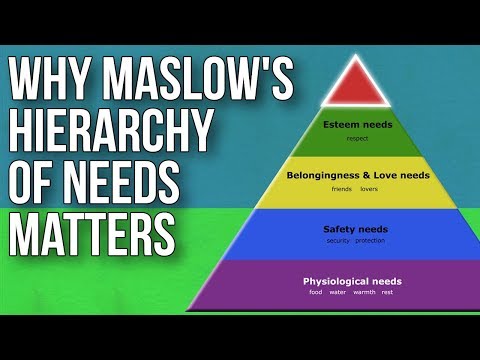
Maslow’s Hierarchy of Needs is one of those classic theories that helps explain what motivates us as humans. Basically, it’s like a roadmap for understanding our needs and how they shape our behavior. It’s often depicted as a pyramid, which makes it super easy to visualize.
At the bottom, you have the **basic physiological needs** like food, water, and sleep. These are crucial for survival. Imagine going a whole day without eating or drinking; you’d be pretty distracted trying to fulfill that need first, right? You don’t really think about higher-level needs when your stomach’s growling.
Next up is **safety needs**, which includes physical safety and emotional security. This could mean living in a safe neighborhood or having job stability. Think about how you feel more at ease when your financial situation is solid – you can focus on other things instead of worrying all the time.
After that comes the need for **love and belonging**. This includes friendships, romantic relationships, and family connections. No one wants to feel isolated; that connection with others is essential for emotional well-being. Picture a time when you hung out with close friends after a tough week—it feels good to have people who get you.
Then we hit the **esteem needs**, which are all about respect and self-worth. This includes feeling valued by others and believing in yourself. Ever felt proud after achieving something big? That rush of self-esteem can be super motivating!
At the very top of the pyramid lies **self-actualization**—the desire to become the most that one can be. It’s all about personal growth and realizing your potential. You know when you’re totally in your zone doing something meaningful? That’s self-actualization kicking in!
People move through these levels at different speeds based on their circumstances and experiences. Sometimes life throws curveballs that make it hard to fulfill one need before another can take priority.
In describing Maslow’s theory, it’s also worth mentioning how these layers aren’t rigid boundaries but more like guidelines showing where we might focus our efforts at any given time.
So why does this matter? Well, understanding where you are on this hierarchy can help set your goals more effectively. If you’re lacking basic physical needs or feeling insecure about safety, it’s tough to think about building relationships or boosting self-esteem! It’s all interconnected.
Overall, Maslow’s Hierarchy of Needs gives us valuable insights into what drives us daily—whether we know it or not! For anyone curious about digging deeper into this theory or exploring further resources (like downloadable PDFs), many educational platforms offer comprehensive materials on Maslow’s ideas.
So yeah, that’s the scoop on Maslow’s Hierarchy! Understanding this can help not just with personal growth but also in building better connections with those around you by appreciating what they might need too!
Understanding Maslow’s Hierarchy of Needs: A Comprehensive Guide to Its Impact on Human Behavior
Understanding Maslow’s Hierarchy of Needs is like peeling an onion—each layer reveals something deeper about why we do what we do. So, let’s break it down a bit.
Maslow’s theory is all about motivation. He proposed that we have a series of needs arranged in a pyramid shape. The idea is simple: You have to satisfy the lower-level needs before you can really focus on the higher ones. Crazy, right? This hierarchy has five levels:
- Physiological Needs: These are your basic survival needs—food, water, shelter, sleep. If you’re starving or freezing, let’s be honest, everything else takes a backseat.
- Safety Needs: Once you’ve got the basics covered, you start seeking safety and security. This could mean having a stable job or living in a safe neighborhood.
- Love and Belongingness: Here’s where emotions kick in! At this level, you crave relationships—friendships, family ties, romantic partners. It’s all about feeling connected.
- Esteem Needs: Now we’re talking confidence! This includes self-esteem and recognition from others. It’s about feeling valued and appreciated for who you are.
- Self-Actualization: The ultimate level! Here you want to reach your full potential and become the best version of yourself. This might mean pursuing your passions or personal growth.
Let me tell you something personal here: I remember a time when I was in college and barely scraping by—I mean ramen-noodle-eating broke! At that point, my physiological needs were barely met—I was focused on just getting through each day. Self-actualization? Not even on my radar! But once I graduated and landed a decent job? Suddenly, it felt like I could start chasing those bigger dreams.
Another interesting aspect is how these needs aren’t rigidly fixed; they can shift depending on circumstances. You might find yourself prioritizing safety during tough economic times or longing for social connections after moving to a new place.
Each level influences behavior too! For example:
- If someone is struggling with their physiological needs (like being homeless), they’re not likely to think about self-esteem or belongingness—they’re simply trying to survive!
So basically, **Maslow’s Hierarchy** highlights how our motivations change based on what we need at any given moment. And it can be pretty insightful when you’re trying to understand why people act the way they do.
The neat part? Once those lower-level needs are met, people tend to grow in ways that benefit themselves and others—like helping friends out or volunteering for community projects. It creates this awesome ripple effect!
In short, Maslow didn’t just put together some fancy hierarchy; he gave us tools for understanding human behavior at its core—what drives us day-to-day! So next time you’re feeling lost or stuck in life, consider where you’re hanging out on that pyramid and what needs still need attention!
Downloadable PDF on Maslow’s Theory of Motivation: Comprehensive Guide and Analysis
Sure! Let’s chat about Maslow’s Theory of Motivation and, specifically, his Motivational Hierarchy. This is one of those concepts that feels pretty relevant to a lot of us, you know?
Maslow’s Hierarchy of Needs is basically like a roadmap for human motivation. It shows how our needs develop from the most basic to more complex ones. The theory is usually depicted as a pyramid with five levels:
- Physiological Needs: These are your fundamental survival needs—food, water, shelter, and sleep. Imagine being super hungry or really tired; you can’t focus on anything else until those needs are met.
- Safety Needs: Once the basics are sorted, you start looking for safety and security. This includes things like job stability and health insurance—basically wanting to feel safe in your environment.
- Love and Belongingness: After you’re feeling secure, it’s all about forming connections with others. Friends, family, romantic relationships… these bonds are crucial for our happiness.
- Esteem Needs: This level focuses on self-esteem and recognition from others. Everyone likes that pat on the back; it boosts your confidence. Think about getting praise for a job well done—it makes you feel valued.
- Self-Actualization: The top of the pyramid! Here’s where you reach your full potential. It’s about personal growth and fulfilling your dreams, whether that means achieving a lifelong goal or just expressing yourself creatively.
So, what really makes this hierarchy pop is how each level builds on the previous one. If you’re struggling to get enough food or sleep (level one), it’s going to be tough to think about making friends or pursuing your passions (levels three and five).
Maslow believed you can only move up through the levels once the lower ones are satisfied—that’s why it feels so vital to understand where you’re at in this hierarchy at any given moment.
Now imagine Sarah, who just lost her job. She’s anxious because her safety needs (financial security) aren’t being met anymore. At that moment, her focus shifts entirely away from friendships or chasing dreams—she’s got to find another job first!
Ultimately, this theory captivates many because it sheds light on what drives us as humans. It’s not just about survival; we crave connection and fulfillment too.
In essence, Maslow’s Hierarchy reminds us that motivation isn’t one-size-fits-all—it changes based on our circumstances. Understanding this can help you reflect on what motivates you daily; sometimes it helps to take a step back and see where you’re at in the pyramid!
So yeah! That’s Maslow’s theory in a nutshell: practical insights into what makes us tick as we navigate through life’s ups and downs!
You know, when we talk about motivation, one name that pops up is Abraham Maslow. He came up with this thing called the “hierarchy of needs,” and it’s pretty interesting once you start digging into it. Picture a pyramid, right? At the bottom are the basic needs—things like food, water, and safety. Until those are met, it’s tough for people to think about anything else.
I remember this one time when a friend of mine went through a rough patch. He lost his job and was struggling to pay rent. All he could think about was how to get by day-to-day. The idea of pursuing dreams or higher goals just wasn’t on his radar because he was stuck on those basics.
As you move up the pyramid, you hit social and esteem needs—like wanting love, belongingness, and recognition from others. It’s kind of fascinating how people can be super driven by these feelings. I mean, have you ever noticed how some folks might chase validation through social media likes? It sounds silly at times but really speaks to this human need for connection.
And then there’s that peak of self-actualization—that moment when you feel completely fulfilled and authentic in who you are. A lot of us may strive for this higher purpose or creativity in our lives—whether it’s through artistic expression or personal achievements. I think that’s where we often get hung up. You might even find yourself stuck between those different levels of the pyramid at times.
Maslow’s idea reminds us that we cannot just look at motivation in a vacuum; our environment plays a huge role in fueling our desires and ambitions. If you’re battling your basic needs every day, thinking about self-improvement can feel like an uphill climb.
So yeah, Maslow’s hierarchy isn’t just some old theory—it’s like a lens through which we can view our own motivations and struggles in life! Isn’t that something? It helps us realize that it’s all connected; meeting one need opens the door to another.