So, you know how sometimes you just need a snack before tackling that big project? It’s like, if your basic needs aren’t met, the rest kinda falls apart.
That’s what I want to chat about today—the whole idea of human needs and how they play a massive role in our psychological growth.
Imagine climbing a ladder. Each rung represents different needs, from the basics like food and safety, all the way up to feeling fulfilled and connected with others. It’s wild how these layers build on each other!
Basically, when we understand this hierarchy of needs, it helps us see why we act the way we do. Pretty nifty, huh? Well, let’s dig into it!
Understanding Maslow’s Hierarchy of Needs: A Key Concept in Developmental Psychology
So, let’s chat about Maslow’s Hierarchy of Needs. This idea is like a roadmap for understanding what drives us as humans. It was created by Abraham Maslow in the 1940s and has been super influential in psychology and beyond. Basically, it suggests that we all have a set of needs, and some are more fundamental than others.
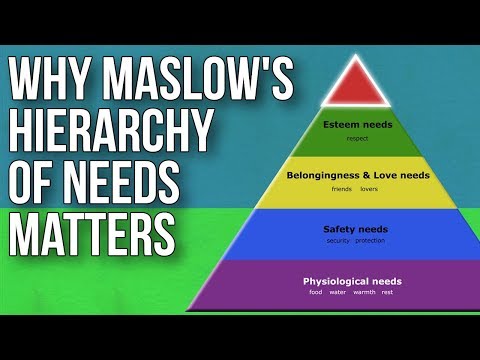
The hierarchy is often depicted as a pyramid, with five levels. These levels represent different classes of needs that we strive to fulfill. You can’t jump to the top without addressing the bottom first. Here’s how it breaks down:
- Physiological Needs: These are your basic survival needs, like food, water, air, and sleep. Imagine being starving after a long day—your mind isn’t going to let you think about much else!
- Safety Needs: Once you’ve got your physiological needs sorted out, the next step is safety—think security and stability. This could be having a roof over your head or feeling safe in your community.
- Love and Belongingness: Now it gets a bit warmer! This layer focuses on emotional connections. Friendships, family bonds, and romantic relationships fall into this category. You know how good it feels to hang out with friends or get a hug when you’re down?
- Esteem Needs: Moving up the pyramid, we hit esteem. Here’s where things like self-respect and recognition come into play. You want to feel valued for who you are and what you’ve accomplished.
- Self-Actualization: This is the pinnacle! It’s all about realizing personal potential and pursuing creativity or personal growth. It’s when you’re chasing after your dreams—like starting that business you’ve always wanted!
The thing is, if those lower-level needs aren’t satisfied, it’s nearly impossible to focus on anything higher up the pyramid. For example, if you’re worried about where your next meal will come from (physiological), you probably won’t care too much about self-esteem or pursuing passions.
This concept not just blends into psychology but also touches areas like education, management, and even healthcare. It reminds us that every person has unique motivations based on where they fall within this hierarchy.
A little story might help illustrate this better: Imagine a student named Sarah. She struggles at school because her family is going through financial troubles (first level). Until her family finds stability (second level), Sarah might find it hard to connect with peers (third level) or build confidence in her abilities (fourth level). It shows how these layers interconnect—and why addressing those base needs first is crucial for moving forward in life.
Mental health professionals often use Maslow’s theory to understand their clients better too! They look at which needs might be unmet for someone struggling emotionally or psychologically.
You see? Understanding Maslow’s Hierarchy isn’t just academic; it’s super relevant in everyday life as well! By recognizing where we—and others—sit within these levels helps us see what changes we might need to make for ourselves or support others with their challenges.
Exploring the Connection Between Maslow’s Hierarchy of Needs and Psychological Theories
Maslow’s Hierarchy of Needs is like this cool map showing what humans really want and need to feel fulfilled. When you think about it, it kinda makes sense. You start with basic stuff and work your way up to becoming the best version of yourself, you know? So, how does this connect to other psychological theories? Let’s break it down.
First off, Maslow proposed that there are five levels in his hierarchy:
- Physiological Needs: Things like food, water, and shelter. If you’re starving or freezing, pretty sure self-actualization isn’t on your mind.
- Safety Needs: Once your tummy’s full, you want security—like a job or a safe home.
- Love and Belongingness Needs: This is all about relationships. Friends? Family? Feeling loved is huge for mental health.
- Esteem Needs: Here’s where you want respect from others and that sweet sense of accomplishment.
- Self-Actualization: This is the top of the pyramid. It’s all about realizing your personal potential and seeking personal growth.
Now, let’s see how this ties into other psychological theories. **One big connection** can be found in *Carl Rogers’ Person-Centered Theory*. Rogers was all about self-concept and believed people have an innate desire to grow. Basically, if we can meet those lower-level needs from Maslow’s hierarchy, we’re better set up to become who we really are—kinda like removing weights so you can float.
Another interesting link is with *Erik Erikson’s Stages of Psychosocial Development*. Erikson suggested that as we go through life, we face various challenges at different stages. For instance, during childhood (the “Trust vs. Mistrust” stage), if caregivers meet physiological needs properly (think food and comfort), kids grow up feeling secure enough to build loving relationships later on.
But wait! There’s more! The whole idea of motivation also plays a role here. Think about *Deci and Ryan’s Self-Determination Theory*. They talk about three basic psychological needs: autonomy (wanting control over our own life), competence (feeling effective), and relatedness (feeling connected). When these needs are satisfied—and remember these are kind of toward the top levels of Maslow—you’re more likely to be self-motivated and engaged in life activities.
You see where this goes? If people get their basic needs met first—like food or safety—they can climb higher on that pyramid effectively. And once you start meeting those upper-level emotional needs like love and esteem? Well, suddenly you’re much more likely to chase those big dreams!
A quick example: Imagine someone pressured by financial issues—just looking for their next meal would make anything else seem impossible. But once they find financial security? They might dive into community service or artistic pursuits that fulfill their need for belonging or self-expression.
So basically, the connections between Maslow’s hierarchy and these other theories help explain why you can’t just jump straight to being your best self without tackling those foundational needs first! Everybody deserves support at every level—it makes for healthier individuals and communities overall!
Exploring the Controversies Surrounding Maslow’s Hierarchy of Needs: Implications and Critiques
Maslow’s Hierarchy of Needs is one of those concepts that a lot of folks find interesting yet also pretty debated. The basic idea? It’s a pyramid that shows the stages of human needs, from basic survival to self-actualization. You start at the bottom with things like food and shelter, and as you meet those needs, you can move up to higher ones, like love and esteem. Sounds great, right? But here’s where things get messy.
One big critique is the simplicity of the model. Some psychologists argue that human behavior is way more complex than a neat little pyramid suggests. People might prioritize emotional connections over physical needs or vice versa—depends on the situation or individual experiences.
Here’s what some critics say:
- The order isn’t always linear. You might be chasing after self-esteem even if you’re struggling with your basic needs.
- It doesn’t account for cultural differences. For instance, in collectivist societies, community needs may top personal ones.
- Empirical support is lacking! Some studies show mixed results regarding how people actually navigate these needs.
Let’s say you’ve got someone living in a war-torn area. Their need for safety trumps almost everything, even if they should technically be looking for love and belonging first according to Maslow.
Another point to consider is that self-actualization, which sounds super impressive, can mean different things to different people. For one person, it might mean writing a novel; for another, it could be about raising kids successfully or mastering a craft. Doesn’t fit neatly into a pyramid now does it?
Even Maslow himself made revisions later in life; he noted that there are often overlaps between these levels and even added further dimensions like cognitive and aesthetic needs! That says something about how fluid human experience really is.
And let’s not ignore the fact that if you’re focused on climbing this ladder but won’t get past certain barriers—like systemic oppression or economic hardship—you might feel stuck while others zoom by without so much as a second thought about these steps.
In short, while Maslow’s framework provides an easy way to think about human motivation, it absolutely deserves scrutiny and revision based on real-life complexities. Many believe it should be viewed more as a guideline than an absolute rulebook; life doesn’t always line up perfectly with neat theories! Ever felt like your priorities flipped upside down unexpectedly? Yeah, that’s what makes us beautifully human!
So, the concept of the hierarchy of human needs is like this really cool way to think about what drives us as people. You know, it’s all based on a guy named Abraham Maslow. He laid it out in this pyramid shape, with each layer representing different types of needs we have. It’s super interesting because it shows not just what we need to survive but also what we need to thrive emotionally and mentally.
At the bottom of the pyramid, you find basic stuff—like food, water, and shelter. If you don’t have these things sorted out, everything else kinda falls apart. I mean, imagine trying to focus on your goals or relationships when you’re starving. It’s tough! I remember once when my friend went through a rough patch and didn’t even have enough money for groceries. Her stress was sky-high, and she couldn’t think about anything beyond where her next meal was coming from.
Once those basic needs are taken care of, you move on up to safety—things like having a stable job or feeling secure in your environment. It’s all about feeling safe and protected from harm. This layer is huge for our mental health because if we’re constantly worried about our safety or future instability, it’s hard to focus on anything else.
Next up is love and belonging. This is where relationships come into play: friendship, family connections, romantic partnerships—all that good stuff that makes life rich and meaningful. You know how sometimes a bad day can flip around just from talking with someone who gets you? That’s what this layer feeds into; it’s pure magic.
Then comes esteem—feeling good about ourselves and getting respect from others. When people lack this sense of worthiness, it can create a cycle of negativity that feeds into anxiety or depression. I’ve seen this happen too; when someone isn’t getting recognition at work or feeling valued in their friendships, their self-esteem takes a hit.
Finally, at the top of the pyramid is self-actualization—basically becoming the best version of yourself you can be! This might look different for everyone: pursuing passions, achieving personal goals or simply being who you truly are without fear or hesitation.
Now here’s where things get interesting—you might not climb that pyramid straight up one level at a time! Sometimes people find themselves bouncing back down because life throws curveballs: loss of a job might shake your safety needs again or relationship problems can hit that love and belonging part hard.
What’s wild about all this is how interconnected these needs are in our psychological development. You can probably see how moving up without solidifying each step could lead to some real struggles down the line. It’s all part of understanding ourselves better—and maybe even figuring out what we need more of in our lives right now!
In a way, knowing about Maslow’s hierarchy helps put things into perspective—it allows us to see why we feel certain ways during different phases in life and gives insight into what might be holding us back too!