Ever thought about what really drives us? You know, what fuels our passions and pushes us to be better?
Well, there’s this cool framework called Maslow’s Hierarchy of Needs. It’s kind of like a map for understanding what we need at different stages of our lives.
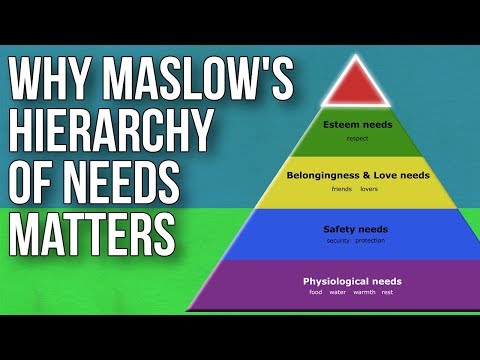
Picture this: you’re running on empty. You need food, safety, or love—whatever it is that keeps you going. Maslow laid it all out in a pyramid, showing how we climb from basic needs to self-actualization.
It’s not just theory; it’s like a guide to living your best life! So, let’s dig in and see how understanding these layers can really help you find fulfillment. Sound good?
Understanding the 5 Levels of Maslow’s Hierarchy of Needs: A Comprehensive Overview
Maslow’s Hierarchy of Needs is like a roadmap for understanding what drives us as people. At its core, this theory outlines five levels of needs, starting from the basics and moving up to more complex ones. Let’s break it down.
1. Physiological Needs
These are your basic survival needs—food, water, shelter, and sleep. Think about it: if you’re hungry or freezing cold, you’re not really in the mood to think about your goals or dreams. You just want to satisfy those immediate needs first. It’s like when you’re super tired after a long day; all you can think about is getting some rest!
2. Safety Needs
Once your physiological needs are met, you start craving security and safety. This means having a stable job, a safe living environment, and health insurance. Basically, these needs are about feeling protected. Picture this: if you’ve ever lived in a neighborhood that feels unsafe at night, that anxiety can really mess with your head and keep you from moving on to higher-level concerns.
3. Love and Belongingness Needs
Now that you’re physically safe and secure, it’s time for connection! This level is all about relationships—friendships, family ties, romantic partners—you name it! Feeling loved and accepted is crucial for our emotional well-being. Remember that time when a close friend stood by you during a tough breakup? That sense of belonging really makes life feel richer.
4. Esteem Needs
Here’s where things get interesting. After feeling loved and accepted, most people crave self-esteem and respect from others. This includes feelings of achievement and recognition—like getting praised for a job well done at work or receiving compliments from friends. Without this recognition, it can be tough to feel good about yourself.
5. Self-Actualization Needs
This is the top tier of Maslow’s pyramid—a place where personal growth happens! Self-actualization means realizing your full potential and seeking personal fulfillment through creativity or pursuing passions. For some folks, it might mean achieving career goals; for others, it could be expressing themselves through art or helping others in their community.
Now here’s the kicker: Maslow believed we can’t jump levels too quickly; we typically need to satisfy lower-level needs before we can focus on the higher ones fully! So imagine trying to start an art studio while worrying about how you’re going to pay rent—that combo just doesn’t work!
In summary: Maslow’s hierarchy is our guide through human fulfillment—it starts with basic survival needs and climbs up to self-actualization as we find deeper meaning in our lives.
Keep this pyramid in mind next time you’re figuring out why you’re feeling off or unfulfilled!
Download Maslow’s Hierarchy of Needs PDF: A Comprehensive Guide to Understanding Human Motivation
Maslow’s Hierarchy of Needs is a pretty interesting concept when it comes to understanding what drives us. It’s like this pyramid that illustrates different levels of human needs, from basic ones to more complex ones. You can think of it as a roadmap for personal fulfillment and motivation.
Basically, there are five levels in Maslow’s pyramid. At the bottom, you have the most essential needs—like food, water, and shelter. Without these, it’s super hard to focus on anything else. It’s kind of like trying to climb a mountain without the right gear; you really need that solid foundation first.
Once those basics are covered, you move up to safety needs. This includes feeling secure physically and financially. If your living situation is shaky or your job feels unstable, you’re going to be pretty distracted—can’t really think about self-growth if you’re worried about where you’re gonna sleep at night!
Next comes social needs, which is all about relationships and belonging. You know how vital friendships and family are? It’s like a warm hug for your emotional state! When you feel loved and connected, you can finally start thinking about yourself more deeply.
Then we hit esteem needs—this is where things get exciting! This level has two parts: self-esteem (your own confidence) and respect from others (like recognition or status). Think about that time you crushed a presentation at work or got complimented on a project; feels good, right? That little boost can push us toward even greater achievements.
Finally, we reach self-actualization—the peak of the pyramid. This is where you chase your dreams and become the person you’ve always wanted to be. It’s not just about success in the traditional sense but also finding meaning in life! Imagine taking up painting after years of wanting to try; that kind of fulfillment is what this level embodies.
To wrap it up neatly:
Key Points:
- Basic Needs: Food, water, shelter.
- Safety Needs: Security in daily life.
- Social Needs: Connection with others.
- Esteem Needs: Confidence and respect.
- Self-Actualization: Personal growth and fulfilling potential.
Understanding Maslow’s Hierarchy helps clarify why we do what we do. Whether you’re aiming for personal growth or just trying to figure out why certain things matter so much at different times in your life, this framework totally has your back!
Exploring Maslow’s Hierarchy of Needs: A Comprehensive Guide to Human Motivation
Okay, so let s talk about Maslow s Hierarchy of Needs. It s basically one of those classic psychological theories that tries to explain why we do what we do. Created by Abraham Maslow in the 1940s, it s like a roadmap for understanding human motivation. The idea is that humans have different levels of needs, kind of like a pyramid.
The bottom of the pyramid starts with physiological needs. This includes stuff like air, water, food, and shelter. I mean, come on—you can t really think about anything else if you re starving or freezing, right? If these needs aren t met, it s super hard to focus on anything higher up the ladder.
- This layer covers basic survival—like sleeping and eating.
- When these needs are satisfied, you can move up to feeling secure.
Next up is the safety need. This isn t just about being physically safe but also having financial security and health. You want to feel stable in your job and not have constant worries about where your next paycheck is coming from. When my friend lost his job during the pandemic, he didn t just lose income; he also spiraled into anxiety because his safety net was yanked away. It really highlighted how crucial this step is!
- This is all about stability—both emotional and financial.
- A sense of safety allows you to feel more secure in life overall.
The third level is all about belongingness and love. We humans are social creatures. We crave connections with others—family, friends, partners…you name it! Think about how good it feels when you re surrounded by people who genuinely care for you. Maybe there was a time in your life when you felt alone and just wanted some companionship; that s that need kicking in!
- This level emphasizes relationships and emotional connections.
- Strong social bonds contribute greatly to our happiness!
After that comes the need for esteem. This involves feeling good about yourself and gaining respect from others. It s kind of like receiving accolades or just knowing you’ve achieved something meaningful. Ever finished a tough project? That rush you get from completing something challenging feeds right into this! You start believing in yourself more as you get those little wins.
- This encompasses both self-esteem and recognition from peers.
- A healthy dose of esteem leads to confidence!
Finally, we reach the pinnacle: self-actualization. This is all about reaching your full potential—becoming who you’re meant to be! It’s different for everyone: maybe it’s pursuing art, starting a business or helping others. It s a personal journey toward growth! Remember when that one teacher encouraged you to chase your dreams? That’s exactly what this level is pushing for!
- This layer encourages personal growth and finding purpose.
- You feel fulfilled only when you’ve explored all your capabilities!
The wild thing here is that Maslow believed you can’t really jump ahead in this hierarchy without fulfilling lower levels first. If you’re struggling with basic needs like food or safety, it’s nearly impossible to focus on love or esteem—not sure if I m explaining myself clearly here! So the ideas build off each other.
This framework isn t something set in stone tho—it doesn t account for everyone s unique experiences or cultural backgrounds. But still, it gives us a solid base for understanding motivation: why we want what we want in life! So next time you’re feeling lost or unfulfilled, maybe take a moment to reflect on which part of Maslow’s pyramid you’re at.
Maslow’s Hierarchy of Needs is like this roadmap of what we, as humans, seem to crave in life. It’s usually pictured as a pyramid with all these levels stacked on top of each other. Each layer represents different needs that motivate us, starting from the basics like food and safety to higher-level stuff like love, esteem, and finally self-actualization.
Let’s paint a little picture here: Imagine you’re feeling super hungry because you skipped breakfast. You’re not exactly thinking about deep relationships or your life goals; you’re focused on snagging a sandwich first! That’s the foundational level—your physiological needs. Once that’s sorted out, though, you might start worrying about being safe and secure in your environment—like having a roof over your head and feeling protected.
Now think about those moments when you’re chilling with friends or family. When those relationships feel solid, you’re more likely to branch out toward things like self-esteem—you know, developing confidence and feeling respected by others. It’s almost like climbing a staircase; one step leads to another.
But what I find really interesting is that whole self-actualization thing at the top of the pyramid. It’s not just about achieving success; it’s more about being the best version of yourself. Like my buddy Mike decided to leave his 9-to-5 job to pursue painting full-time because he felt it was his true calling! It took time for him to reach that point where he felt secure enough in his life—and hey, who wouldn’t want that kind of fulfillment?
The hierarchy isn’t just some academic concept either; it plays out every day in our lives. We might feel content when we have our basic needs met but start feeling restless when we lack connection or purpose. So understanding this hierarchy can really help highlight what drives you at any given moment.
You see how different these levels are? Sometimes we get stuck focusing only on one part—like if you’re stressed about work but ignoring social needs at home for months—that can lead to burnout or dissatisfaction.
Maslow kind of reminds us that being human is messy and layered. And maybe it’s all about finding our balance between meeting those fundamental needs while also reaching for something meaningful above them. That pursuit could be what leads us closer to personal fulfillment—climbing our own unique pyramids!