You know how sometimes you just can’t figure out why you’re doing something? Like, why do we chase after certain goals and ignore others? It’s a tricky puzzle.
So, let’s talk about Maslow. He came up with this cool theory about motivation that kinda breaks it down into layers. Imagine a cake, but instead of frosting and sprinkles, it’s all about our needs. Sounds tasty, right?
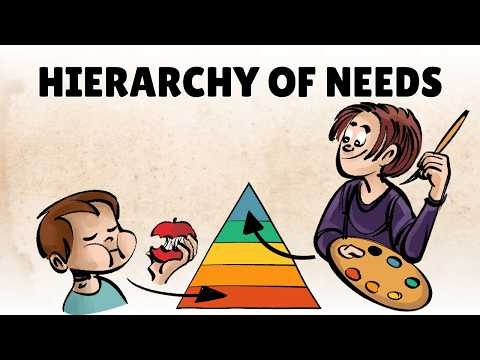
At the bottom, you’ve got the basics—think food and safety. Then things get a bit more complex as you climb up. It’s like leveling up in a video game.
Each layer connects to how we function in life. And honestly, it makes you think about what really drives us every day. Seriously! So buckle up; we’re diving into Maslow’s world of motivation!
Understanding the 7 Essential Human Needs: A Comprehensive Guide
When we talk about human needs, it’s crazy how much depth there is to it. You know? Like, Maslow’s hierarchy of needs is often brought up because it lays out what really drives us as people. So, let’s break down these seven essential needs that Maslow hinted at in his theory!
1. Physiological Needs: These are the basics—think food, water, shelter, and sleep. Without these, you can’t function properly. Imagine trying to concentrate on a project when you’re starving or exhausted. Your brain is like, «Feed me!»
2. Safety Needs: Okay, so once you’ve got the basics down, what comes next? You want to feel secure! This means safety from physical harm and emotional security too. Picture living in a neighborhood where you hear sirens all night or work in a toxic environment. Yikes! You’d feel pretty on edge.
3. Love and Belongingness Needs: Humans are social creatures; we crave connection! That’s why friendships and relationships are vital for our well-being. Think about how fulfilled you feel after a day spent with close pals versus a lonely day at home—huge difference!
4. Esteem Needs: This one’s about feeling valued and appreciated. It covers self-esteem (how you see yourself) and esteem from others (how they see you). For example, think of that rush of pride when someone recognizes your hard work or when you achieve something personal—totally boosts your spirit!
5. Cognitive Needs: So this need leans into your curiosity and love for knowledge! We all have that itch to learn new things or solve puzzles—it feels fulfilling to stretch your brain a bit! Ever felt that thrill when cracking a tough riddle? That’s cognitive need fulfillment right there.
6. Aesthetic Needs: Believe it or not, we also have an appreciation for beauty and harmony in our lives—it’s part of what makes us human! Whether it’s art, music, or nature, aesthetic experiences can lift our mood and provide joy.
7. Self-Actualization Needs: This one’s the top of the pyramid—the cherry on top! It’s about realizing your full potential and pursuing personal growth or creativity. Think of that euphoric feeling when you finally finish writing that book you’ve been dreaming about—or even just stepping outside your comfort zone.
The thing is, not everyone prioritizes these needs in the same order; life circumstances totally influence this hierarchy for each person. Some might be stuck at physiological needs due to economic conditions; others might chase self-actualization without having solid safety structures in place.
So yeah, understanding these layers helps us see why people act the way they do—it really shapes every choice we make! Just remember: everyone has different motivations driving them daily!
Exploring the Possibility of a 6th Level in Hierarchical Structures
When we think about motivation, Maslow’s Hierarchy of Needs usually comes to mind. You know, the pyramid where you climb from basic needs up to self-actualization? It’s like a road map for understanding what drives us. But here’s where things get interesting: what if we added a 6th level to that hierarchy?
Mason’s original model includes five levels:
- Physiological Needs: These are the basics for human survival—food, water, shelter.
- Safety Needs: Once those are met, you crave security—like a stable job or a safe living environment.
- Love and Belongingness: This is all about emotional relationships—friends, family, partners.
- Esteem Needs: Here’s where you seek respect and recognition from others—and yourself!
- Self-Actualization: This level is about reaching your full potential and pursuing personal growth.
But suppose we throw in a 6th level? Just imagine it as something like “Collective Fulfillment.” This could represent our innate human desire to connect with larger groups or causes, beyond just ourselves. Think about it: when people fight for social justice or engage in community service, they often say it brings them purpose and satisfaction.
This idea makes sense in today’s world. People are more connected than ever through social media and global movements. They’re not just looking out for their own needs anymore; they want to feel part of something bigger. The thing is, this desire can sometimes overshadow personal achievements — it’s like realizing that inner growth can be linked to collective wellbeing.
If we consider integrating this 6th level into Maslow’s theory, it might impact how we understand motivation. For instance, feeling part of a group can fulfill needs at multiple levels simultaneously—belongingness from connecting with others while also gaining esteem by contributing to something meaningful.
You might also notice this vibe in workplaces these days. Employers who foster teamwork and social responsibility might find that employees feel more motivated and fulfilled! This could be because they’re tapping into that supposed 6th layer of collective fulfillment rather than focusing solely on individual achievements or company profits.
If you think about how many social movements have gained momentum lately, it speaks volumes! People rally together for climate change awareness or equality rights. They’re driven by a cause that’s bigger than themselves; maybe that’s where this new level fits in?
The integration of such an idea challenges the traditional view that self-actualization is the pinnacle of human motivation. Maybe it’s not just about personal success but how our lives resonate within our communities and the greater good!
This thought-provoking shift could spark fresh discussions among psychologists and sociologists alike. It’s wild thinking about how tweaking Maslow’s framework could reflect a deeper understanding of modern human experiences! So seriously, next time you consider motivation, ask yourself: Are you only climbing your own pyramid? Or are you reaching out towards something that connects us all?
Exploring the Four Theories of Motivation: Insights and Applications in Psychology
Motivation is one of those things that really drives us in life, right? It’s like the fuel that keeps our engines running, helping us to chase our goals and dreams. The thing is, psychologists have come up with a few theories to explain what makes us tick. Let’s take a look at four major theories of motivation and how they tie into Maslow’s hierarchy of needs.
The first theory is **Instinct Theory**. This one suggests that our behaviors are driven by instinctual urges. Think about it: just like animals have instincts to survive, we have basic drives too. For example, when you feel hungry, that instinct pushes you to find food. Instincts are hardwired and often result in automatic responses to certain situations.
Next up is **Drive Reduction Theory**. This theory poses that we’re motivated to reduce uncomfortable states of tension or discomfort. Let’s say you’re feeling thirsty after a long walk. That annoying thirst creates a drive within you to seek out water and drink it, relieving the discomfort. Basically, when a physiological need arises, it motivates us to act until the need is satisfied.
Then we have **Arousal Theory**. This one flips things around a bit—it argues that we’re not just motivated by needs but also by our desire for an optimal level of arousal or excitement. Picture this: if you’re bored at home on a Saturday night, all your friends are partying somewhere cool and you feel that pull to join them! You’re looking for stimulation because too little or too much arousal can lead to feelings of dissatisfaction.
The last theory, **Humanistic Theory**, brought forth by psychologists like Abraham Maslow, dives into essential human needs and self-actualization—the idea of reaching your full potential. So Maslow came up with this famous pyramid (you might know it as the Hierarchy of Needs), where he described five layers:
- Physiological needs: These are basic survival needs—food, water, sleep.
- Safety needs: Once the basics are covered, we generally seek safety and security—like having a stable job.
- Love and belongingness: After safety comes relationships; we crave love from family and friends.
- Esteem needs: This includes feeling good about ourselves—confidence or respect from others.
- Self-actualization: Finally reaching your best self—pursuing goals based on personal growth.
Maslow argued that we move through these layers sequentially; if those lower levels aren’t met, it gets tough to focus on higher-level needs.
So basically, motivation isn’t just one thing—it’s layered and complex! Each of these theories gives us different insights into why we do what we do. They help us understand ourselves better when we’re trying to achieve something important or even when we’re just getting through the day-to-day grind.
Now think about your own life for a bit: What motivates you? Is it an instinctual urge? A drive to reduce discomfort? The excitement of new challenges? Or maybe it’s all about fulfilling those deeper psychological needs laid out by Maslow? Understanding these layers can really shine a light on your personal journey—and who doesn’t want that clarity in life?
You know, the whole idea behind Maslow’s Hierarchy of Needs really gets me thinking about what drives us as humans. So, picture this pyramid—yeah, a pyramid. At the base are those basic needs, like food and shelter. Pretty fundamental stuff, right? I mean, if you’re starving or out in the cold, it’s hard to focus on anything else.
But as we move up the layers, things get more interesting. Once those basics are covered, we crave safety and security. Remember that one time when you just wanted to feel safe in your own space? Maybe after watching a scary movie or something? It’s that feeling of needing a solid foundation in your life.
Then there’s love and belonging—who doesn’t want that? We’re social creatures at heart! Think back to when you felt really included with friends or family; it’s an incredible boost to your spirit. It makes life richer, don’t you think?
After that come esteem needs. This is where it gets a little tricky because it often ties into how others perceive us. Ever had that moment where someone praised your work or complimented you just out of the blue? Man, it feels good! That sense of achievement can be like rocket fuel for our motivation.
And finally, way up at the top is self-actualization. This is all about realizing your potential and pursuing personal growth. I remember one time I tried painting for the first time just because I thought it would be fun—not because I was good at it or anything! But in doing so, I felt this sense of freedom and joy; it’s kind of magical to tap into your creativity like that.
So looking at Maslow’s theory doesn’t just make you think about what drives people; it also reflects how complex we are as individuals with varying needs at different times in our lives. Each layer connects with our emotions and experiences so deeply—it’s fascinating how they intertwine! That’s life for you—so many layers beneath the surface!