You know, motivation is such a funny thing. Some days, it’s just there, driving you to do everything on your list. Other days? It feels like it’s hiding under the bed or something.
Ever heard of Maslow’s Theory? Yeah, it’s this cool framework that kinda breaks down why we do what we do. It’s like finding out the secret sauce behind our desires and actions.
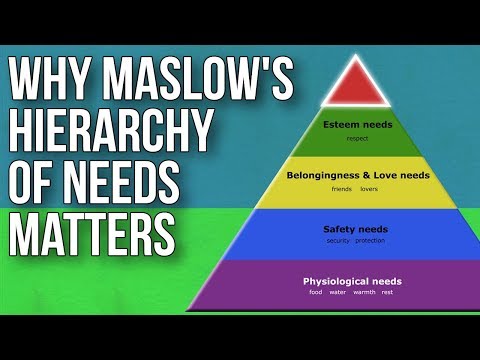
Basically, Maslow laid out these layers of needs, kinda like a pyramid. The bottom needs are all about survival, and as you climb up, it gets more complex—like love and self-actualization.
So let’s dive into this theory! You might find it sheds some light on your own motivations or maybe even answers some questions you’ve had about what makes you tick. Ready?
Exploring the Core Principles of Maslow’s Motivation Theory: An In-Depth Analysis
Maslow’s Motivation Theory is one of those concepts that feels like common sense once you get into it. Basically, it’s about what drives us as humans. The core idea is that our motivations are organized in a kind of pyramid. Let’s dive into the different levels, yeah?
1. Physiological Needs
At the base of the pyramid, we have physiological needs, which are all about survival. Think food, water, sleep—basic stuff you can’t live without. If you’re starving, you’re not really thinking about your career goals or dreams, right? Those needs have to be met first.
2. Safety Needs
Next up is safety. This includes feeling secure in your environment and having stability in life. So, like having a steady job or living in a safe neighborhood fits here. If you’re worried about your safety every day, that’s going to overshadow everything else.
3. Love and Belongingness Needs
Then we move to love and belongingness. Humans are social beings; we crave relationships! This includes friendships, family ties, and romantic partnerships. Remember when you felt left out at school? That urge for connection was strong! It’s integral to who we are.
4. Esteem Needs
The next level is esteem—this refers to our need for self-respect and recognition from others. You know how awesome it feels when someone compliments your work or acknowledges your efforts? It’s not just nice; it’s a fundamental part of feeling valued.
5. Self-Actualization Needs
Finally, at the top of the pyramid is self-actualization. This isn’t just about being happy—it’s fulfilling your potential and becoming who you’re meant to be! Think about artists creating their best work or someone finally chasing their dream job—it’s all about personal growth and achievement.
Now here’s where it gets interesting: we often think these needs are linear—that you must fulfill one before another—but they don’t operate like a checklist! Life isn’t that neat and tidy; sometimes we jump between levels depending on circumstances.
For example, if you’re generally doing well but face an unexpected financial crisis (so safety needs), it can throw everything else off balance even if you’ve got solid friendships and esteem in your life already.
In summary, Maslow’s Theory helps us understand what may drive various behaviors throughout our lives based on our immediate motivations—simple enough at first glance but deeply connected to every life experience!
Mastering Citations: How to Cite Maslow’s 1943 Work in Academic Writing
Alright, let’s take a look at how you can properly cite Maslow’s 1943 work in your academic writing. This is all about keeping things clear and organized when you reference that classic stuff on human motivation. So buckle up!
First things first, the work you’re looking at is known as “A Theory of Human Motivation.” It was published in *Psychological Review*, which is super key info for your citations. When you’re citing scholarly works, it’s important to follow specific formats according to whatever style guide you’re using—APA, MLA, Chicago, or whatever else might be required.
1. APA Style: If you’re using APA (American Psychological Association), your citation in the reference list would look like this:
When you mention it in-text, use this format:
2. MLA Style: For MLA (Modern Language Association), on the Works Cited page it appears like this:
In-text citations would look like:
3. Chicago Style: If Chicago’s your jam, here’s how it goes for bibliography entries:
For footnotes or endnotes:
These examples give you a feel for what your references should look like based on different styles.
Now let’s chat about why exactly this matters! Citing correctly isn’t just about following the rules; it shows respect for the original authors’ work and contributes to academic integrity overall.
When you’re writing something that involves Maslow’s theory—like talking about those five levels of needs—it helps readers track down where your ideas are coming from if they want to explore more on their own.
And hey! If you’re quoting Maslow directly from his work—maybe something profound he said about self-actualization—you’ll need to include page numbers too!
So remember to keep track of those details from the start! You’d want that info handy so when you’re crafting your paper or thesis statement included around discussions on motivation theory—it all flows smoothly without hiccups.
To wrap things up: mastering citations isn’t just an academic chore; it’s part of building a solid foundation for your arguments and lending credibility to your writing!
Understanding Maslow’s General Theory of Human Motivation: Key Concepts and Applications
Maslow’s General Theory of Human Motivation is pretty interesting, to say the least. So, what’s the deal with it? Well, the general idea is that human beings have a set of needs that motivate their behavior. Maslow organized these into a hierarchy. Think of it like a ladder where you need to satisfy lower levels before climbing up to the higher ones.
The Hierarchy of Needs consists of five main levels:
- Physiological Needs: These are your basic life necessities—food, water, warmth, and shelter. If you’re starving or freezing, that’s gonna be your focus.
- Safety Needs: Once those basics are met, you look for security. This includes personal safety and financial stability. Imagine worrying about losing your job; it’s hard to think about anything else.
- Love and Belongingness Needs: Here’s where relationships come in. You want friends, family, and connection. Ever feel lonely even when you’re surrounded by people? That’s this level at play.
- Esteem Needs: Now we’re talking self-esteem and respect from others. You want recognition for your accomplishments. Think about getting that promotion at work—feels good, right?
- Self-Actualization Needs: This is the top tier! It’s all about reaching your full potential—pursuing creativity or personal growth. Have you ever felt truly fulfilled after finishing a big project? That’s self-actualization.
So what happens if one of these needs isn’t met? Well, it can create tension or stress in your life that makes it hard to focus on anything higher up the ladder. Like, if you’re dealing with financial issues (safety needs), it’s tough to nurture friendships (love and belonging) or feel confident in yourself (esteem needs).
You might wonder how this applies in real life beyond just theory. Here’s an example: think about education strategies in schools. Teachers can create environments where students’ basic needs are met first—like ensuring they’re fed before expecting them to perform well academically.
Also, this concept shows up a lot in workplaces too! Companies focusing on employee well-being help folks move through their needs effectively so they can contribute more fully when they feel safe and valued.
Now here’s something interesting: Maslow didn’t just stop at individuals; he thought this could apply across cultures too! Different societies may prioritize these needs differently based on their values and norms.
To wrap things up, Maslow’s ideas really help us understand why people act like they do at different times in their lives. Whether it’s craving connection or striving for greatness, knowing where someone is on that hierarchy can give you some serious insight into their motivations!
You know, when it comes to understanding what really drives us as humans, Maslow’s theory of motivation pops up a lot. It’s like this mental map for what we need to be happy and fulfilled. So, let’s break it down without getting all stuffy about it.
Maslow introduced this idea of a hierarchy of needs. Imagine a pyramid; at the bottom are those basic needs like food, water, and safety. It’s kind of like building a house—if you don’t have a solid foundation, right? You can’t be concerned with lofty dreams when you’re just trying to find your next meal or feel secure in your environment. I mean, think back to a time you felt anxious about money or your living situation—it’s hard to focus on anything else.
Once those essentials are sorted out, you start climbing up the pyramid. The next level is all about social connections—friends, family, love. It’s pretty personal too because we all crave some level of belonging. I remember feeling really lonely during my first year of college. I was surrounded by people but still felt disconnected. It was only once I found my tribe that life started feeling right again.
Then there’s esteem—self-esteem and the respect from others. This is where things get interesting because it taps into how we perceive ourselves versus how we think others see us. Ever had that moment when you nailed a presentation and felt on top of the world? Or conversely, when someone criticizes your work? Those feelings can either lift you up or drag you down.
Finally, at the peak is self-actualization—the idea of reaching your fullest potential. And honestly, this can look different for everyone because it’s so personal! For some, it might be artistic expression; for others, it could be professional success or finding inner peace.
But here’s the kicker—Maslow said that you don’t just zoom through these levels one at a time like an elevator; it’s more dynamic than that! You can bounce around between levels based on life circumstances and experiences. Like if something shakes your security at home, you might go spiraling back down to focusing on those basic needs even if you’ve previously reached higher levels.
Motivation is messy and complex! But breaking it down with Maslow’s framework gives us insight into why we do what we do—and why sometimes just getting outta bed feels like climbing Everest! So yeah, understanding these foundations helps shine a light on our own behaviors and choices in life—it makes the whole deal feel more relatable and human instead of just abstract psychology nonsense!