You know those days when you just feel a bit off? Like, maybe you’re super extroverted one minute and then craving solitude the next?
Well, that’s personality for ya! It’s wild how different we all are. And speaking of differences, have you tried those online MBTI tests?
They’re a trip! You answer some questions, and boom—you’re put into a category that claims to know you better than your closest friends. Crazy, right?
In this little journey, we’ll dig into how these personality types work. Plus, we’ll talk about what it all means for you in real life. Buckle up; it’s gonna be interesting!
Unlocking Self-Discovery: Free Online Tools for Exploring MBTI Personality Types
Exploring your personality can be like peeling an onion, layer by layer. One cool way to do this is by using the MBTI, or the Myers-Briggs Type Indicator. It’s a system that helps you figure out your personality type based on how you perceive the world and make decisions. You can find tons of free online tools to help you with this!
First off, let’s break down the four main dimensions of MBTI:
- Introversion (I) vs. Extraversion (E): This dimension shows where you get your energy from. Introverts recharge by spending time alone, while extraverts thrive in social settings.
- Sensing (S) vs. Intuition (N): Here’s where it gets interesting! Sensing folks focus on concrete facts and details, whereas intuitive types look at the big picture and patterns.
- Thinking (T) vs. Feeling (F): This one’s about decision-making. Thinkers prioritize logic and objective criteria, while feelers emphasize emotional considerations and values.
- Judging (J) vs. Perceiving (P): This dimension reflects how you approach life. Judging types prefer structure and planning, while perceiving types are more adaptable and spontaneous.
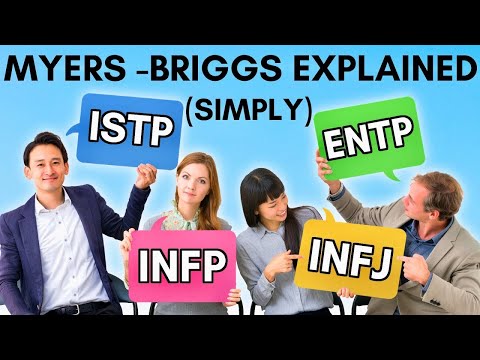
When you combine these dimensions, you end up with 16 unique personality types—like INFP or ESTJ—which give insights into your preferences and behaviors.
Now, onto the free online tools! You might come across various websites that offer quick assessments to discover your type. They usually ask you a series of questions about how you think or how you would act in certain situations.
For example, one popular tool is “16Personalities.” It offers a user-friendly questionnaire that feels almost like a fun quiz! After completing it, you’ll receive an overview of your personality type along with strengths and weaknesses—pretty neat!
Another great one is “Truity.” Their version might dive deeper into aspects of your personality than just extrovert versus introvert stuff. You can also explore which types tend to be most compatible with yours in relationships or work scenarios.
But here’s the thing: while these tools are super helpful for self-discovery, they shouldn’t box you in completely. We’re all unique individuals who evolve over time; it’s totally normal for traits to shift as we grow.
Also remember that understanding your MBTI type can help improve communication skills too! Knowing whether someone prefers sensing over intuition can make conversations smoother when discussing ideas or projects.
So if you’re looking for some self-reflection or just something fun to do during downtime, why not give these tools a shot? It could lead to some enlightening discoveries about yourself that maybe you’d never thought about before!
Discover Your Personality Type: Take the MBTI Test for Free Today
You know, personality tests have become quite the talk these days. Among them, the MBTI, or Myers-Briggs Type Indicator, stands out for many people. Basically, it breaks down personality into 16 different types based on how you perceive the world and make decisions.
Now, the MBTI sorts you into four dichotomies:
- Introversion (I) vs. Extraversion (E): This dimension looks at how you recharge your energy. If you feel energized by spending time alone, you might be an introvert. But if social gatherings pump you up, that’s a sign of being an extravert.
- Sensing (S) vs. Intuition (N): Here’s where it gets interesting. Sensing folks trust concrete information and reality, while intuitive types lean toward patterns and possibilities.
- Thinking (T) vs. Feeling (F): This one emphasizes decision-making styles. Thinkers tend to focus on logic and objective criteria, whereas feelers prioritize emotions and personal values.
- Judging (J) vs. Perceiving (P): Finally, this talks about how you organize your life. Judgers prefer structure and planning, while perceivers go with the flow and adapt as they go.
For example, picture two friends deciding where to eat dinner. The extravert might want to hit up a busy restaurant because they thrive in social settings. On the other hand, an introvert might prefer a quieter café to recharge after a long week.
Taking the MBTI test online is super easy nowadays! **You can find plenty of free resources** that help you discover your type within minutes—no need for lengthy sessions or complicated paperwork.
Once you’ve taken the test and got your four-letter type—like INFP or ESTJ—you can dive into understanding what those letters mean for you! Each type has unique traits and tendencies that shape how you interact with others.
Some people say it’s all just fun and games; others swear by its insights when it comes to relationships or career paths. It can help illuminate why certain environments feel like home while others seem draining.
But hey, keep this in mind: no test is perfect! Your personality isn’t set in stone; it’s more like a map guiding your self-discovery journey rather than a strict rulebook.
Whether you’re curious about yourself or trying to understand friends better, exploring these personality types can be pretty eye-opening! And who knows? You might find some surprising revelations along the way!
Understanding MBTI Personality Types: A Comprehensive Guide for Personal Growth and Team Dynamics
So, MBTI, or the Myers-Briggs Type Indicator, is like this cool tool that helps you figure out your personality type based on four dichotomies. You know, it’s all about how you prefer to interact with the world. There are 16 different personality types in total, and here’s how it breaks down:
- Extraversion (E) vs. Introversion (I): Do you recharge by hanging out with friends or chillin’ alone? Extraverts often thrive in social settings while introverts may need some quiet time.
- Sensing (S) vs. Intuition (N): Are you more focused on facts and details or do you lean towards patterns and possibilities? Sensors take in information through their senses, while intuitives look at the big picture.
- Thinking (T) vs. Feeling (F): Do you base decisions on logic and data or emotions and values? Thinkers prioritize objectivity, while feelers consider personal impact.
- Judging (J) vs. Perceiving (P): Is your approach to life more structured or flexible? Judgers like plans and closure, but perceivers prefer spontaneity.
Imagine you’re at a team project meeting; knowing who’s an introvert versus an extravert can help you understand why one person is super talkative while another seems quiet but often has great feedback stored up for later.
The beauty of MBTI is that it’s totally applicable for personal growth too! By understanding your type, you can identify your strengths and weaknesses—like how a **Judging** type might struggle with last-minute changes while a **Perceiving** type thrives in chaos.
If you’re curious about your own type, there are loads of online tools to help guide you through the process. Just answer some questions honestly, and you’ll get results that suggest which category you might fit into best!
But hey, just remember: no personality test can completely define who you are! It’s just a starting point for figuring yourself out better, not a box to put yourself in. A **Feeling** type might resonate more with empathetic roles like teaching or counseling because they naturally prioritize others’ feelings.
If you’re working in teams and want to improve dynamics, knowing the types of each member can really help too. You might find that pairing an **Intuitive** thinker with a **Sensing** detail-oriented person creates this awesome balance between big ideas and practical steps—seriously! Think about how that mix could spark innovation paired with execution!
This whole thing gives us insight into why we react differently in various situations. Like when someone approaches a problem—are they considering everyone’s feelings or just crunching numbers? Understanding these tendencies helps in both personal relationships and workplace collaborations.
The key takeaway? MBTI isn’t just about labels—it’s a window into understanding yourself better plus enhancing how we work together as teams. It turns this often confusing maze of personalities into something manageable.
So, let’s talk about personality types and those online MBTI tools. You know, the ones that tell you if you’re an INTJ or an ESFP? It’s like taking a peek into a little box that holds parts of who you are. I remember the first time I took one of those tests. I was sitting on my couch, scrolling through my phone, and thought, “Why not?” I clicked start and as the questions flew by—»Do you prefer calm routines or spontaneous adventures?»—I found myself genuinely pondering my answers.
What’s interesting about these tests is how they seem to capture our essence in just a few letters. But hey, sometimes I wonder if they really nail it. Do they give us a true reflection of ourselves, or are they just fun little labels we slap on our identities? Take me for example—I scored as an INFP. When I saw it, part of me felt understood; like finally someone got me! But then again, some days I feel way different than that.
And here’s the kicker: people change over time. Your experiences, relationships, and even your mood can shift how you approach life and interact with others. That’s what makes exploring personality types so intriguing yet tricky. You might think you’re outgoing one day because you’re hanging out with friends but then feel introverted when faced with a big crowd.
What’s cool is when you share those results with friends or family. Conversations can spark around personal stories—like realizing why your friend loves to plan everything while you thrive in the chaos of last-minute decisions. It opens doors to understanding each other better which is pretty awesome!
But here’s something to keep in mind: these tools aren’t the end-all-be-all for defining who we are, right? They’re more like snapshots in time rather than detailed portraits. Maybe it helps shine a light on certain traits or tendencies we have but shouldn’t box ourselves in completely based on a test result.
At the end of it all, exploring personality types feels like embarking on this shared journey of self-discovery together with others—if used wisely! So next time you hit up one of those online MBTI tools, take it lightly and remember it’s just one piece of your unique puzzle!