You know how some people just click, while others… well, not so much?
It’s like there’s this invisible chemistry at play.
Ever thought about why that happens?
When it comes to personality types, the connections can get pretty wild. You might find yourself vibing with one person and totally clashing with another.
Basically, it all boils down to those quirky little traits that make us who we are.
Let’s dig into how different personalities mesh—or don’t—and what that means for our relationships. It’s kinda eye-opening!
Exploring Compatibility Among the 16 Personality Types: A Comprehensive Guide
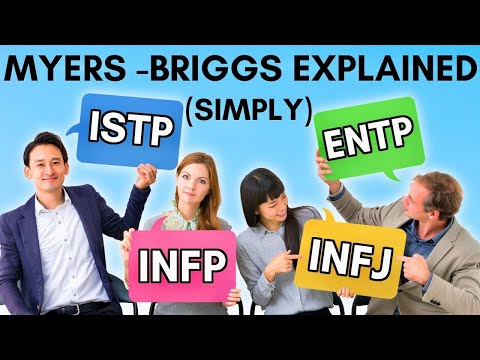
When we talk about personality types, it’s like peeking into a whole new world of human interaction. The 16 personality types, based on the Myers-Briggs Type Indicator (MBTI), each have their own quirks and traits. Understanding these can really change how you relate with others. So, let’s take a closer look.
Different Personality Types represent different ways people think and interact with the world. The MBTI breaks these down into four categories:
- Introversion (I) vs. Extraversion (E): This mainly deals with where people prefer to focus their energy.
- Sensing (S) vs. Intuition (N): This describes how folks prefer to take in information—through concrete details or abstract ideas.
- Thinking (T) vs. Feeling (F): Here, it’s about whether someone bases their decisions on logic or personal values.
- Judging (J) vs. Perceiving (P): This affects how people like to deal with the outside world—more structured or more flexible.
You see, when you mix and match these letters, you get 16 unique combinations! For instance, an INTJ is quite different from an ESFP, right? An INTJ tends to be strategic and analytical while an ESFP often lives in the moment and enjoys social interactions.
Compatibility between the types is tricky but super interesting! There are some pairings that tend to get along better than others. It’s kind of like pairing food—peanut butter and chocolate just work; some combinations leave you scratching your head!
- A pairing like INFPs and ENFJs often creates a supportive relationship where feelings are shared openly.
- TJs, which includes ENTJs and ESTJs, might work well together since they’re both comfortable taking charge in situations.
- SJs, or ISFJs and ESFJs, tend to enjoy mutual respect for tradition and stability.
The thing is though—just because two types typically clash doesn’t mean it won’t work out! I remember a friend who was an INTP dating an ESFJ. Their conversations sometimes felt like they were speaking different languages! But through patience they learned from each other’s perspectives—it was pretty cool honestly!
A vital part of compatibility is knowing your strengths and weaknesses. For instance, Extraverts often bring energy into relationships while Introverts could help balance things by being more reflective.
Navigating these differences can lead to growth if you’re open to it! For example:
- A thinking type may appreciate a feelings type for helping them open up emotionally.
- A sensing type might find value in learning to explore new possibilities thanks to their intuitive partner’s ideas.
This dance between the 16 types makes life richer but also more complex! It’s all about balance—and a bit of understanding goes a long way. Just think about what you bring into relationships and what they bring out in you!
At the end of the day, it’s not just about your personality type; it’s really about how well you communicate and connect with each other because every person is unique—even within their type. And isn’t that what makes human connections so fascinating?
Exploring MBTI Compatibility: Understanding Personality Types and Relationships
So, let’s chat about MBTI compatibility and how our personality types can really shape our relationships. You know that feeling when you click with someone instantly? Or when you just can’t get on the same page? A lot of it might come down to these personality types!
The Myers-Briggs Type Indicator, or MBTI for short, sorts people into 16 different personality types based on their preferences in four key areas:
- Introversion (I) vs. Extraversion (E): This sets the stage for whether you gain energy from being alone or by hanging with others.
- Sensing (S) vs. Intuition (N): Do you focus on the here-and-now or look for patterns and possibilities?
- Thinking (T) vs. Feeling (F): Are you more logical or do you lean toward empathy when making decisions?
- Judging (J) vs. Perceiving (P): This one’s about whether you prefer structure and plans versus flexibility and spontaneity.
Now, imagine a couple where one is an INTJ—a mastermind who loves planning—while the other is an ESFP, thriving in the moment and loving a spontaneous adventure. You might see them clashing over weekend plans; one wants a detailed itinerary while the other is all about going with the flow.
But it’s not just about differences; similarities can mesh well too! Pair two INFJs, for instance, and you’ve got a gentle understanding vibe where they might finish each other’s sentences. Both appreciate empathy and depth in conversations, which can strengthen their bond.
However, it’s essential to understand that compatibility doesn’t rely solely on having matching types. Communication styles play a massive role here! An INTP, who tends to be more analytical, might struggle with an ENFJ‘s emotional approach initially but could grow through understanding each other’s perspectives.
When considering relationships, think about:
- Dynamics: How your type interacts with theirs can reveal potential strengths or conflicts.
- Growth: Relationships often challenge us to grow outside our comfort zones.
- Mismatches: Recognizing mismatches helps navigate disagreements effectively.
A little story: my friend Jess is an ISFJ. She was dating a super outgoing ENTP. At first, she found his energy exhausting but soon learned to appreciate his adventurous spirit! They both realized learning from each other made them stronger as partners.
In summary, understanding MBTI compatibility isn’t just about knowing if you’re supposed to get along based on your letters. It’s more like having a fun map showing different routes in your relationship journey. So when things get tough—or amazing—remember those letters could just be keys to unlocking better communication and deeper connections!
Unlocking Relationship Success: Understanding Personality Type Compatibility Charts
So, when you hear about personality type compatibility charts in relationships, it’s really just a way to look at how different personality traits can mesh together. You know that feeling when you click with someone? Or when it seems like you’re speaking completely different languages? That’s where these charts come into play.
1. Understanding Personality Types
First off, let’s break this down. Personality types are often classified using various models, like the Myers-Briggs Type Indicator (MBTI) or the Enneagram. Each of these systems sorts people into categories based on traits and behaviors. For example, some folks might be extroverted and outgoing, while others are introverted and prefer quiet time alone. And that’s cool! Everyone is unique in their way.
2. The Importance of Compatibility
Compatibility matters because it can make or break a relationship. If both partners have similar values and communication styles, they’re likely to understand each other better. Think about a time when you had a disagreement with someone who just didn’t see your point of view at all because their perspective was totally different. Frustrating, right?
3. Using Compatibility Charts
Now, here’s where compatibility charts zip in like your trusty sidekick! These charts typically look at traits associated with each personality type and suggest how they interact with others. For instance:
- Extroverts often thrive with Introverts, but understanding boundaries is key.
- Thinkers, who prioritize logic, might clash with Feelers, who rely on emotions.
- Judging types enjoy structure while Percieving types love spontaneity; this can lead to interesting dynamics!
Each of these pairings has its own strengths and challenges.
4. Real-Life Example
Let’s say you’re an ENFP—someone who’s enthusiastic and loves exploring new ideas—and you come across an ISTJ partner who values order and tradition. That could be a match made in heaven or total chaos! You may inspire each other to step outside your comfort zones while also needing some patience to navigate those differences.
5. Not Just About the Charts
But here’s the thing: while these charts give us insight into potential compatibility, they don’t define everything! Relationships are filled with growth opportunities if both partners put in the work together.
In sum, personality type compatibility charts can be helpful tools for understanding how your traits interact with someone else’s. Just remember: every relationship requires effort, respect for differences, and willingness to adapt! Embrace those quirks and enjoy the ride—that’s where the magic happens!
You know, it really is interesting how personality types play such a huge role in our relationships. I mean, think about it. You’ve probably met people who just click with you instantly, while others? Not so much. A few years ago, I was at a party where I found myself chatting with this guy who was completely different from me. He was super outgoing, cracking jokes left and right, while I felt more like the quiet observer in the corner. At first, it felt awkward. But later on, we ended up laughing about the same things and bonding over shared interests. It made me realize how different personalities can come together in surprising ways.
Now, when we talk about personality types—like those based on the Myers-Briggs or maybe Enneagram—the idea is that they give us a framework to understand ourselves and each other better. If you’re an introvert and your best friend is an extrovert, you might see the world in completely different lights! Sure, there could be clashes when planning outings or figuring out how to unwind after a long week. You might prefer cozy nights reading books while your friend wants to hit up a lively bar scene!
But honestly? Those differences can also create balance and help each other grow. The extrovert could help you break out of your shell every now and then, and you might offer them some peace and quiet when they need to recharge.
Compatibility isn’t just about matching similar traits; sometimes it’s that blend of differences that adds depth to relationships. When both people are willing to communicate openly—about needs or feelings—things tend to flow smoother.
And hey! Just because someone’s personality type is different from yours doesn’t mean it’s doomed to fail! Think about the couple who bickers over every little thing but can’t imagine life without each other—or how two best friends maintain their bond despite being total opposites.
So really, understanding personality types can be like carrying around a little toolkit for navigating connections with others. The more you learn about yourself and those around you, the easier it becomes to appreciate those quirks instead of getting frustrated by them.
At the end of the day, relationships are complex but fascinating puzzles where everyone brings their own pieces into play! And sometimes those contrasting colors make for the most beautiful pictures together!