You ever wonder why some people seem to vibe with you instantly while others feel like, well, a puzzle? That’s what personality typing is all about. It’s kinda wild how we’re all wired so differently.
So, there’s this thing called the MBTI—myers-briggs type indicator. Sounds fancy, right? But seriously, it’s just a way to break down those quirky differences in our personalities.
Imagine chatting with your friend who always wants to plan every detail of a road trip. Then there’s that one who says “let’s just go and figure it out on the way!” Totally different approaches!
In this little chat we’re having here, I’m gonna take you through some of these personality types. You’ll see how understanding them can help you get along better with folks around you or maybe even help you figure yourself out. Cool, huh?
Unlocking the Myers-Briggs Type Indicator: A Comprehensive Guide to Understanding Your Personality Type
Understanding your personality can be pretty enlightening, right? The **Myers-Briggs Type Indicator (MBTI)** is a popular tool that helps you figure out your personality type. It’s based on the idea that everyone has different ways of thinking, feeling, and interacting with the world. So, let’s break it down a bit.
What is MBTI?
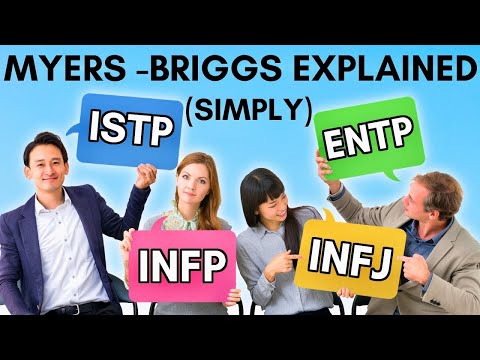
The MBTI categorizes people into **16 different personality types** based on four dichotomies. Each type is represented by a four-letter code. For example, you might be an **INTJ** or an **ESFP**. Each letter stands for something specific:
- I versus E: Introversion (I) or Extraversion (E)
- S versus N: Sensing (S) or Intuition (N)
- T versus F: Thinking (T) or Feeling (F)
- J versus P: Judging (J) or Perceiving (P)
Each combination paints a broad picture of how you might behave and react in various situations.
The Dichotomies Explained:
– **Introversion vs. Extraversion:** Do you recharge by spending time alone (I) or with others (E)? For instance, after a long week at work, do you prefer to cozy up with a book at home or hit the town with friends?
– **Sensing vs. Intuition:** Are you more focused on concrete details and practicalities (S), or do you prefer to think about possibilities and big-picture ideas (N)? Like, do you value facts over abstract theories?
– **Thinking vs. Feeling:** When making decisions, do you lean toward logic and objectivity (T), or are you more about emotions and values (F)? Some people make choices based on cold hard facts; others consider how decisions affect feelings.
– **Judging vs. Perceiving:** Do you like structure and planning ahead (J), or do you prefer flexibility and spontaneity in your life (P)? Are your weekends meticulously planned out, or do they just kind of happen as they unfold?
Your Personality Type:
Once you’ve figured out which letter combinations fit your characteristics best, you’ll have your personality type! Each type has its strengths and weaknesses. For example:
– An **ENFP** often brings enthusiasm to projects but might struggle with sticking to plans.
– An **ISTJ** tends to be reliable and methodical but could sometimes miss out on new experiences because they stick too closely to routines.
The Benefits of Knowing Your Type:
Understanding your MBTI type can help in various aspects of life:
- Improved Communication: Knowing how others think helps tailor conversations.
- Career Choices: Certain types align better with specific jobs.
- Relationships: You can better understand dynamics with friends and partners.
Imagine having a friend who’s always late because they’re spontaneous as can be—if you’re someone who loves punctuality, knowing their personality type might help explain their behavior!
Anecdote Time!
Let’s say two friends are planning a trip together. One’s an INFJ who likes everything organized down to the minute; the other’s an ESFP who thrives on spontaneity and adventure. If they don’t understand each other’s personalities through something like MBTI, they may end up frustrated—one stressing over lack of plans while the other feels stifled by too many details.
In short, unlocking the Myers-Briggs Type Indicator opens doors to understanding not just yourself but also those around you! Whether for personal growth, career paths, or improving relationships—embracing these insights is definitely worth the ride!
Understanding the Myers-Briggs Type Indicator: Key Examples and Insights
The Myers-Briggs Type Indicator, or MBTI, is a tool that many people use to get a better understanding of themselves and others. It’s based on the idea that people have different preferences in how they think, feel, and interact with the world. This framework divides personalities into 16 distinct types. Each type is made up of four letters, and those letters come from four dichotomies.
Let’s break this down:
- Introversion (I) vs. Extraversion (E): This first pair looks at how you gain your energy. Introverts often feel recharged by spending time alone or in small groups, while extraverts thrive in larger social settings.
- Sensing (S) vs. Intuition (N): This one focuses on how you take in information. Sensors tend to rely on concrete facts and present realities, while intuitives look at patterns and future possibilities.
- Thinking (T) vs. Feeling (F): Here’s where it gets personal! Thinkers prioritize logic and objective criteria in decision-making, whereas feelers place more importance on emotions and values.
- Judging (J) vs. Perceiving (P): Finally, this pair addresses your approach to the outside world. Judgers prefer structure and organization; perceivers like flexibility and spontaneity.
So when you combine these pairs, you end up with the different personality types—like INTJ or ESFP.
Here’s a little story to illustrate this: Imagine Sarah, an INTJ type who loves deep dives into strategy games or complex novels. She often thinks several steps ahead—kinda like a chess master! Then there’s Jake, an ESFP type who thrives at parties and brings energy wherever he goes. He lives for the moment! You can see how they might approach the same event so differently based solely on their types.
Now let’s talk about why this matters. Understanding your MBTI type can help you navigate relationships—be it friendships or work dynamics—because you get insight into your own behavior patterns as well as those of others around you.
For instance, if you’re an INFP, known for being idealistic but also sensitive—well, knowing that someone else is a tough-thinking ESTJ can really change how you communicate with them! Instead of feeling hurt by their directness, understanding their perspective makes it easier to have productive conversations.
But remember: while MBTI can be useful for self-reflection or team building—it’s not some strict box that defines who you are completely! People are nuanced creatures; we don’t always fit neatly into categories.
In summary: The Myers-Briggs Type Indicator helps shed light on personality differences which can enhance personal growth and improve connections with others—but don’t forget to take it all with a pinch of salt! Each person has unique traits beyond just their MBTI type.
Understanding MBTI Dichotomies: A Comprehensive Guide to Personality Types and Their Implications
The Myers-Briggs Type Indicator, or MBTI, is a fascinating tool for understanding personality differences. Basically, it categorizes people into 16 different types based on four dichotomies. What’s a dichotomy? Well, it’s just a fancy word for two opposing traits. This framework can help you make sense of yourself and others in everyday life.
The first dichotomy is Extraversion (E) vs. Introversion (I). Extraverts tend to recharge by being around other people; they thrive in social situations. They enjoy chatting with friends and meeting new folks at gatherings. On the flip side, introverts recharge through solitude; they usually need “me time” to feel balanced again. Think of your friend who loves hosting parties (extravert) versus that one buddy who prefers cozy nights in with a book (introvert).
The second dichotomy is Sensing (S) vs. Intuition (N). Sensing types focus on the here and now; they pay close attention to details and facts. They might love collecting data or enjoying sensory experiences—like good food or beautiful art. Intuitive types, however, look at the bigger picture and are more about patterns and possibilities than concrete facts. You might know someone who always seems to have their head in the clouds dreaming up new ideas—that’s probably an intuitive type.
The third one is Thinking (T) vs. Feeling (F). Thinkers make decisions based on logic and objective analysis; they value fairness and tend to be straightforward in their communication style. Feelers approach decisions differently—they consider personal values and emotions, seeking harmony within their relationships. So maybe you’ve got a coworker who always weighs pros and cons before making a decision (thinking), while another might prioritize team feelings over cold hard facts (feeling).
The last dichotomy is Judging (J) vs. Perceiving (P). Judgers prefer structure and organization in their lives; they like things settled and often plan ahead to avoid surprises. Perceivers are the opposite; they’re more spontaneous, adapting as circumstances change rather than sticking to a strict game plan. It’s kind of like planning every detail for a trip weeks in advance versus packing your bag at the last minute just to see where life takes you.
So when you combine these preferences—like INFP or ESTJ—you get those 16 personality types we hear so much about! Understanding which type you resonate with can be super helpful for relationships, both personal and professional.
Now let’s talk about implications. Knowing your MBTI type can enhance self-awareness. You get insights into how you think, work, communicate—maybe even why you clash with certain people! For example, if you’re an INTJ working with an ESFP on projects, understanding each other’s styles can bridge gaps related to introverted planning versus extraverted spontaneity.
However—and this is crucial—you shouldn’t box yourself or anyone else into stereotypes based on these types alone! People are complex creatures molded from unique experiences beyond simple categorizations.
The MBTI framework isn’t some magic solution for all life’s puzzles but rather an interesting compass guiding our way through interpersonal dynamics—helping us appreciate diversity in how we relate to each other day-to-day.
In summary: embracing these differences might not only help improve communication but also lead us toward more meaningful connections with others as we navigate this wild ride called life! Just remember that it’s all part of being human; some days you’ll vibe better as one type than another—and that’s perfectly okay!
So, let’s chat about personality typing and the MBTI framework. You know, that whole thing where you take a quiz and find out whether you’re an INTJ, ESFP, or something in between? It’s kind of like a fun personality game we play. But there’s more to it than just getting a cool label.
I remember taking my first MBTI test in high school. I was curious, like most folks are, and surprised to find out I was an INFJ. At first, I thought it was just another internet quiz; but as I read the characteristics, it felt eerily accurate! I mean, the idea that I might be this deep thinker who values harmony and connection really resonated with me—it was like looking in a mirror.
Now, here’s the thing: while these frameworks can be insightful and help you understand yourself better (or at least give you a new way to think about your quirks), they’re not everything. Some people get super attached to their types as if they define their entire being. But what happens if you don’t fit perfectly into your type? Are you suddenly any less valid? Nope! We are complex beings with layers—more like onions than simple labels.
The MBTI breaks down personality into four dichotomies: where you focus your attention (introversion vs. extraversion), how you take in information (sensing vs. intuition), how you make decisions (thinking vs. feeling), and how you approach life (judging vs. perceiving). It’s intriguing stuff! Each combination opens up different perspectives on communication styles and emotional responses.
But let’s be real—sometimes these types can feel restrictive or oversimplified. Just because you’re labeled as «thinking» doesn’t mean you’re devoid of feelings when push comes to shove! Life is messy and unpredictable; we all have moments where we act outside our “type.” Maybe you’re usually laid-back but have those days when stress gets the better of you—you know what I’m saying?
Plus, one of the coolest things is using these insights in real life—like in friendships or relationships. If you’ve got a buddy who’s always overanalyzing stuff and is all about planning ahead (probably judging type), while you’re more spontaneous (maybe perceiving?), well, understanding each other can help smooth out those little bumps in your interactions.
So yeah, while type theories like MBTI bring interesting ideas to the table about who we are as people, remember: it’s just one lens among many through which we can view our lives—just don’t let it box you in! Embrace your complexity; that’s what makes being human so incredibly rich and colorful!