You know, personality quizzes can be super fun, right? They’re like those little windows into who we are.
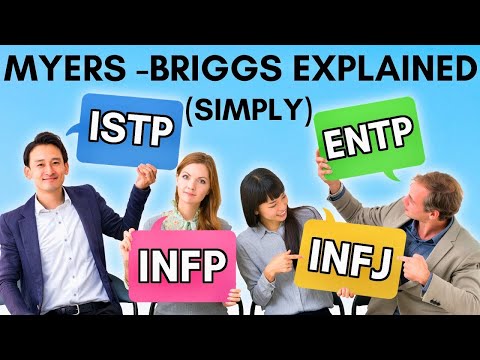
Ever heard of the Myers-Briggs Type Indicator? It’s one of those classics. Basically, it breaks down personalities into 16 types. Pretty cool, huh?
What’s wild is how much you can discover about yourself and others using this framework. Ever taken the quiz? It can feel like peeling back layers of an onion.
One minute you’re just you, and the next—bam! You’re an ENFP or an ISTJ, whatever that even means! But seriously, it provides some legit insights into why people act the way they do.
So, let’s dig in a bit. It’ll be fun to see what makes us tick and how we connect with everyone around us!
Unlock Your Potential: Take the Free Myers-Briggs Personality Test Today
Alright, so let’s chat about the Myers-Briggs Type Indicator, or MBTI for short. It’s this really popular personality framework that can give you some interesting insights into your own personality. Basically, it categorizes people into 16 different personality types based on how you perceive the world and make decisions.
Here’s the scoop: the MBTI is built on four main dichotomies. Each one has two sides, and when you take the test, it helps figure out where you fall on each scale. So, let me break it down:
- Introversion (I) vs. Extraversion (E): This one focuses on how you recharge your batteries. If you’re an introvert, you probably like spending time alone or with a small group of friends. Extraverts? They thrive in larger groups and get energized by social interaction.
- Sensing (S) vs. Intuition (N): Here we look at how you gather information. Sensing types prefer concrete facts and details while intuitive folks like to think about possibilities and big-picture ideas.
- Thinking (T) vs. Feeling (F): This scale tells us how you make decisions. If you’re a thinker, logic and objectivity are your go-tos. Feelers prioritize emotions and values in decision-making.
- Judging (J) vs. Perceiving (P): Finally, this part shows your approach to life and work. Judgers tend to prefer structure and plans, while perceivers are more flexible and spontaneous.
Once you’ve taken the test, you’ll end up with a four-letter personality type—like INFP or ESTJ—that gives clues about your preferences in each area. Pretty cool, right?
You might be wondering why this even matters or how it helps you unlock your potential? Well, knowing your personality type can help you understand why you behave a certain way in work contexts or personal relationships. For instance, if you’re an ESTJ—often seen as natural leaders—you might be drawn to managerial roles because of that preference for structure.
I remember a friend of mine who took the test and found out she was an INFJ—a rare type known for their empathy and insightfulness. She was always helping others but often felt drained afterward until she realized that she needed alone time to recharge! Once she figured that out through her MBTI results, her stress levels dropped significantly.
The MBTI isn’t just a party trick—it encourages personal growth! After understanding your type, you can focus on areas for improvement too—for example, if you’re naturally inclined toward feeling over thinking, maybe you’ll want to practice considering logical perspectives in decision-making exercises.
The best part? The Myers-Briggs test is free online! You can find various versions that might help give you a glimpse into yourself without any strings attached.
If nothing else, thinking about these types sparks meaningful conversations with friends or coworkers as well—it opens up understanding by giving context to why people act differently than you’d expect sometimes!
So there it is! Exploring your potential through something as simple as a personality test could just kickstart some real changes in how you see yourself—and interact with others too!
Understanding the Myer Briggs Personality Test: Insights and Implications for Personal Development
The Myers-Briggs Type Indicator (MBTI) is this popular personality test that helps you understand yourself and how you relate to others. It’s based on a theory by Carl Jung, which suggests that people have different ways of perceiving the world and making decisions. So, let’s break it down.
First off, the MBTI categorizes personalities into **16 different types**. Each type is represented by a four-letter code that signifies preferences in four areas:
- Extraversion (E) or Introversion (I): This deals with where you focus your attention. Extraverts get energized by the outside world and social interactions, while introverts recharge by spending time alone.
- Sensing (S) or Intuition (N): This is about how you take in information. Sensors prefer concrete, factual details, whereas intuitives look at patterns and possibilities.
- Thinking (T) or Feeling (F): Here’s where decisions come into play. Thinkers rely on logic and objectivity, while feelers prioritize values and emotions when making choices.
- Judging (J) or Perceiving (P): This describes how you like to organize your life. Judgers prefer structure and plans; perceivers enjoy flexibility and spontaneity.
Now imagine this: You might be an ENFP—a bubbly extrovert who thrives in social situations but also loves exploring new ideas. Or maybe you’re an ISTJ—more the quiet type who values traditions and likes order in life.
Understanding these types can seriously help with personal development. Knowing your personality type gives insights into your strengths and weaknesses. For instance, if you’re an INFP—an empathetic idealist—you might realize you need to work on assertiveness during discussions because you naturally lean towards being accommodating.
But there’s more! The MBTI can also help improve relationships. Imagine a classic scenario where two people collide due to differing preferences: one’s an ESTJ who loves structure while the other’s an ENFP who craves freedom! Recognizing each other’s types can bring clarity instead of conflict.
It’s like having a cheat sheet for communication styles! If both parties understand their natural tendencies, they can adjust their approaches during disagreements or collaborations.
However, be cautious! While it’s super insightful, the MBTI isn’t a catch-all solution for every aspect of life or behavior. It doesn’t account for factors such as environment or experiences that shape us as individuals over time.
So what should you take away from all this? The Myers-Briggs test offers valuable insights into who you are at your core but remember it’s only part of a bigger picture regarding personal growth and interpersonal relationships.
In short: use it wisely! Embrace your type, understand others better, and keep evolving as a unique individual in this vast tapestry of personalities we all belong to!
Understanding the Myers-Briggs 16 Personalities: A Comprehensive Guide to Personality Types and Their Implications
Understanding the Myers-Briggs 16 Personalities is all about diving into how people think and behave. This framework, called MBTI (Myers-Briggs Type Indicator), breaks down personality into 16 distinct types. It’s based on the ideas of Carl Jung and gets into stuff like how we interact with the world and make decisions.
So, what’s the deal with these personality types? Well, they’re formed from four main dichotomies:
- Extraversion (E) vs. Introversion (I): This is where you get your energy from. Extraverts thrive in social situations and love being around others. If you’re an introvert, you might find energy in solitude and prefer deep conversations over small talk.
- Sensing (S) vs. Intuition (N): This one deals with how you take in information. Sensing folks are all about facts and details, while intuitive types look at the big picture and focus on patterns or possibilities.
- Thinking (T) vs. Feeling (F): How do you make decisions? Thinkers rely on logic and objective analysis; feelers prioritize personal values and the impact on people’s feelings.
- Judging (J) vs. Perceiving (P): This is about how you approach life. Judging types like things planned out—having a schedule can be comforting to them. Perceivers tend to be more flexible, valuing spontaneity and keeping their options open.
Now, combining these preferences gives you your four-letter personality type—like INFP, ESTJ, or ENFJ—and there are 16 combinations overall! Each one has its own unique traits that give insight into behavior.
Take an INFP, for example. They’re often seen as idealistic dreamers who value authenticity in themselves and others. They might feel deeply connected to causes or creative pursuits but sometimes struggle with practical matters.
On the flip side, an ESTJ type tends to be organized leaders who value efficiency and order. They often thrive in roles where they can take charge but might come off as too rigid for some folks who prefer flexibility.
What’s cool about knowing your type—or someone else’s—is that it can help improve communication, teamwork, and even relationships. For instance, if a friend is an INFP, they may appreciate thoughtful gestures that show you understand their values; while a colleague who’s an ESTJ might just want a clear plan laid out for a project.
It’s not just about fun quizzes either—this framework has real-life implications! Understanding personality types can lead to more effective interactions at school or work since everyone has different ways of processing information or handling stress.
But hey, while it sounds neat to know these categories exist, remember that people aren’t just one thing! Human behavior is complex; each person brings their own experiences along with their «type.» The MBTI simply offers a way to see part of that complexity through a particular lens.
So next time you’re hanging out or working with friends or colleagues, think about the dynamics at play based on personality types—even if it feels like just another layer of understanding each other!
So, you know how people are always talking about personality tests? It’s like this whole world of figuring out who you are through a series of questions. And one of the big players in that arena is the Myers-Briggs Type Indicator, or MBTI for short. People love it because it helps them see themselves—and others—in a different light.
Let me share a quick story. I remember taking it for the first time during college orientation. I was nervous, just trying to make friends and figure myself out, as we all do at that age, right? I got my result: an ENFP—apparently, I’m supposed to be outgoing, enthusiastic, and a big idea person. While part of me was like “Yeah, that sounds like me,” another part felt like there were layers missing—like some parts of my personality just didn’t fit neatly into that box.
What’s interesting about the MBTI is that it breaks us down into these four dichotomies: introversion vs. extraversion, intuition vs. sensing, thinking vs. feeling, and judging vs. perceiving. Each combination gives you a four-letter code that supposedly sums up your personality type. But here’s the kicker: while some people totally vibe with their type and feel seen by it, others can’t shake off the feeling that it’s too simplistic.
You might find yourself reflecting on your social habits—whether you recharge alone or with others—or how you make decisions based on emotions versus logic. It can spark some real insights! But sometimes it feels limiting; life is messy! Not everyone fits perfectly into these neat categories.
And let’s be honest; there’s also this fun factor in discussing types with friends! “Oh wait, you’re an INTJ? That explains why you love planning everything!” It opens up conversations about differences and similarities among us—how we relate to each other and understand our quirks.
But here’s where it gets tricky: labeling yourself can lead to over-identification with those traits. You don’t want to pigeonhole yourself into being «just» one type when there are so many dynamics at play in your life! Maybe today you’re feeling more introverted than usual or leaning towards being super structured instead of free-spirited.
In navigating all this personality stuff, it’s cool to embrace both the clarity and ambiguity of who we are. After all, we’re complex creatures shaped by experiences—way more than what any test could ever tell us about ourselves! If anything, tools like MBTI can be starting points for deeper self-exploration rather than definitive answers.
So yeah, while MBTI offers interesting insights and can foster better understanding among folks—it’s essential to remember we’re not defined solely by our types. We’re so much more than just letters on a page!