Mood disorders, huh? They can be a real ride, can’t they? One moment you’re flying high, feeling on top of the world. And then—bam!—everything just crashes down. It’s wild!
You might know someone going through this or even feel it yourself. It’s tough stuff! But here’s the thing: understanding these ups and downs is super important. It helps us make sense of it all.
In modern psychology, there’s a lot happening. Therapies are changing, approaches are evolving, and people are starting to talk more openly about how they feel. It’s like we’re finally pulling back the curtain on mood disorders.
So let’s chat about what navigating this landscape looks like today. Buckle up! It’s going to be quite the journey.
Comprehensive Guide to Mood Disorders: Types, Symptoms, and Treatments
Mood disorders can be pretty tough to deal with. They affect how you feel, think, and act. So, understanding them a bit better can really help. Let’s break it down into parts that make sense.
Types of Mood Disorders
There are several mood disorders that you might come across:
- Major Depressive Disorder (MDD): This one’s like a heavy cloud lingering over you. People often feel sad, lack energy, or lose interest in the things they once enjoyed.
- Bipolar Disorder: Ever heard of the highs and lows? Individuals with bipolar disorder experience extreme mood swings from manic highs to depressive lows.
- Dysthymia: Think of this as a chronic low-grade depression. It’s less intense than major depression but can last for years.
- Cyclothymia: Similar to bipolar disorder but milder. You have periods of hypomanic symptoms (less severe than mania) and depressive symptoms that don’t quite meet the full criteria for MDD.
- Seasonal Affective Disorder (SAD): This is linked to seasonal changes, especially during winter when there’s less sunlight. It can leave people feeling sluggish and blue during those chilly months.
Symptoms You Might Notice
Okay, so what should you be looking out for? Symptoms can vary widely but here are some common ones:
- Persistent sadness or low mood
- Changes in appetite or weight—either gaining or losing
- Fatigue or loss of energy—feeling tired all the time is more than just being sleepy!
- Difficulties concentrating or making decisions
- Feelings of worthlessness or excessive guilt
- Thoughts of death or suicide—this is serious and needs immediate attention!
It’s worth noting that not everyone will experience all these symptoms. And they can change too, depending on the mood disorder type.
Treatments Available
The good news is there are options! Treatments for mood disorders often include:
- Counseling/Therapy: Talking it out with a therapist can work wonders. Cognitive-behavioral therapy (CBT) is particularly effective in helping people manage their thoughts and behaviors.
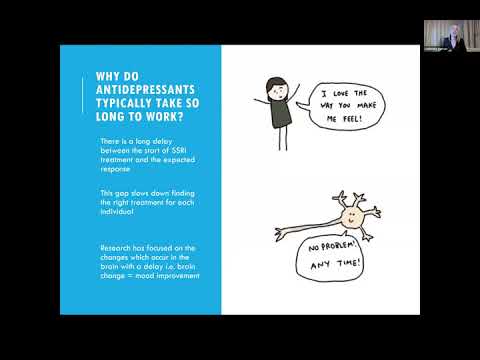
- Medication: Antidepressants or mood stabilizers might be prescribed by a doctor to help balance your brain chemistry.
- Lifestyle Changes: Exercise and a healthy diet play huge roles in mental health. Even small changes like regular walks outside can lift your spirits!
- Support Groups: Connecting with others going through similar challenges helps reduce feelings of isolation—you’re not alone in this!
- Persistent sadness or irritability.
- Lack of interest in activities.
- Changes in sleep patterns—too much or too little.
- Difficulties concentrating or making decisions.
- Crying spells without obvious reason.
- A sense of worthlessness or guilt.
- therapy, whether individual or group-based helps sort through feelings effectively.
- medications, including antidepressants or mood stabilizers help regulate brain chemistry.
- Lifestyle changes, like regular exercise and good sleep habits can really make an impact too.
And hey, it’s super important to consult with healthcare professionals who really know their stuff about these disorders.
So there you have it! Navigating through mood disorders can be tough, but knowing what you’re dealing with makes it easier to seek support and find effective treatments. Remember: if you ever feel overwhelmed by your feelings, reaching out is key!
Understanding the Different Types of Mood Disorders: A Comprehensive Guide
Mood disorders, huh? They can be a real rollercoaster ride, impacting your emotions, thoughts, and overall quality of life. Let’s break them down in a way that makes sense, so you can get a better grasp on what they are and how they work.
What Are Mood Disorders?
Basically, mood disorders are mental health conditions that primarily affect your emotional state. They mess with how you feel and can lead to extreme swings—from feeling super high to deep lows. The most common types include depression and bipolar disorder.
Major Depressive Disorder (MDD)
This one’s like a heavy cloud that just won’t budge. If you’ve ever felt persistently sad or empty for weeks or months, you might have experienced MDD. You might lose interest in things you used to enjoy or even struggle with basic daily tasks. Some folks might experience it for a while and then bounce back, but for others, it can linger on like an unwelcome guest.
Bipolar Disorder
Okay, so here’s where things get a bit more complicated. Bipolar disorder is characterized by extreme mood swings—think highs (mania) and lows (depression). During the mania phase, you could feel invincible: super energetic, maybe even reckless. Then comes the crash, which hits hard—like the world suddenly goes dark again. It can be exhausting living through such drastic changes.
Dysthymia
This one’s often overlooked but super important! Dysthymia is like being stuck in gray weather for years. It’s less severe than MDD but lasts much longer—sometimes for two years or more! You may feel low without hitting rock bottom; it’s just this constant feeling of «meh.» This one can creep up on people without them really noticing at first.
Cyclothymic Disorder
So imagine mild highs and lows that aren’t quite as intense as bipolar disorder. That’s cyclothymic disorder for you! You experience periods of hypomania (a less severe form of mania) and mild depression over at least two years. It’s like being on a rollercoaster but not quite reaching the peak or the valley.
Seasonal Affective Disorder (SAD)
Ever notice how some people seem to get the blues during the winter months? Yep—that’s SAD in action! This mood disorder hits usually when daylight dwindles during fall and winter. Symptoms may include low energy, irritability, and social withdrawal—but it often eases up with brighter days!
Postpartum Depression
For new moms (and sometimes dads), adjusting to life after having a baby can be wild—and not always in a good way. Postpartum depression isn’t just the baby blues; it can be serious. Feelings of sadness or hopelessness take over after childbirth and last longer than just a few weeks.
Now let’s look at some common symptoms:
It’s tough dealing with these emotions alone—or even knowing what you’re experiencing sometimes! That’s why understanding these disorders is key—you know? It helps not only those dealing with them but also friends supporting loved ones who face these battles.
In wrapping this up, recognizing mood disorders is an important step towards getting help—and there’s no shame in reaching out when things feel heavy! You’re definitely not alone in this journey; lots of folks are facing their own ups and downs every day. Understanding the various types might shine some light on your own feelings—or those of someone close to you. Remember: recognizing it is half the battle!
Understanding the 5 Key Mood Disorders: Symptoms, Causes, and Treatment Options
Mood disorders can feel like being on a rollercoaster where you never know when the ride will drop or surge. They affect how you think, feel, and act, kind of like a storm cloud hovering over your everyday life. Here’s a look at five key mood disorders—what they are, their symptoms, causes, and treatment options.
1. Major Depressive Disorder (MDD)
This one can feel completely overwhelming. Imagine waking up feeling like you’re dragging a ton of bricks around. Symptoms include deep sadness, fatigue, loss of interest in things you used to enjoy, and even changes in sleep or appetite. The exact cause isn’t always clear; it could be a mix of genetics, brain chemistry, and life events—like losing a job or going through a breakup. Treatment often involves therapy and sometimes medication to help lift that heavy fog.
2. Bipolar Disorder
Bipolar disorder is like having extreme highs (mania) and lows (depression). During manic phases, you might feel invincible—full of energy and ideas—but then crash down into depression where even getting out of bed feels impossible. The causes? It’s believed there’s a genetic component involved along with stress triggers that can set off episodes. Treatment usually includes mood stabilizers or antipsychotic medications to level things out.
3. Persistent Depressive Disorder (Dysthymia)
Imagine carrying that weight for years instead of just months; that’s what dysthymia feels like! Symptoms are less severe than major depression but last much longer—often for two years or more. People may have constant feelings of hopelessness or low self-esteem but might not even realize they’re experiencing it until someone points it out! Causes often overlap with those for major depression but can also involve longstanding family issues or chronic stress situations. Treatment typically involves therapy and sometimes medication.
4. Seasonal Affective Disorder (SAD)
SAD is linked to changes in seasons—especially during winter when days are shorter and sunlight is minimal. Your mood may dip when the sun goes away! Symptoms include sadness, lethargy, and social withdrawal that often improve with brighter days in springtime. The cause seems to relate to changes in light exposure affecting melatonin levels in the brain. Light therapy is popular for treatment; people sit near bright lights mimicking natural sunlight!
5. Cyclothymic Disorder
If bipolar disorder is the more intense sibling of mood disorders, cyclothymic disorder is like its quieter cousin who still has ups and downs but doesn’t go as extreme as bipolar episodes do—and these fluctuations last for at least two years! You might feel “off” frequently but not reach full-on mania or depression levels consistently enough to get categorized as one of those disorders we just mentioned! Causes are similar to bipolar disorder regarding genetics and environmental stressors.
In dealing with these mood disorders
So remember: if you’re feeling stuck in any of these moods long-term—it’s totally cool to seek help! Understanding what you’re going through is a huge step towards feeling better because navigating through moods isn’t something you have to tackle alone!
Mood disorders are something a lot of folks deal with, you know? From depression to bipolar disorder, these challenges can feel pretty overwhelming. In today’s world, where everything seems fast-paced and chaotic, it’s like we’re all just trying to keep up; sometimes our minds don’t cooperate.
I remember talking to a friend who was going through a really rough patch with depression. They felt trapped in this fog that wouldn’t lift, no matter what they tried. It was tough for them to explain how they felt because, on the outside, everything looked okay. But inside? It was like a constant battle. That’s the tricky thing about mood disorders—they often hide behind a mask.
In terms of modern psychological practice, there’s so much more awareness now around mood disorders than there used to be. Therapists and psychologists have access to better tools and strategies than ever before. Cognitive-behavioral therapy (CBT), for instance—this is one approach that helps people recognize and change negative thought patterns. It’s about reframing those thoughts that spiral downwards into something more manageable.
But here’s the thing: not all approaches work for everyone. What works wonders for one person might feel totally off for someone else. And in this digital age, there are so many new resources popping up—like apps focused on mindfulness or online support groups—that can be super helpful.
Still, navigating mood disorders isn’t just about finding the right therapy or app; it’s also about understanding yourself better and figuring out what triggers your moods. Sometimes it’s as simple as not getting enough sleep or feeling overwhelmed at work or even life changes that throw everything off balance.
And let’s be real here: talking about it helps too! Just having someone to share your struggles with—whether it’s a friend or therapist—can lighten that dense cloud hovering over you.
In the end, navigating mood disorders today feels like being on a wild rollercoaster ride that no one signed up for but everyone can relate to in some way. The key? Finding your groove amid the ups and downs and knowing you’re definitely not alone in this journey!