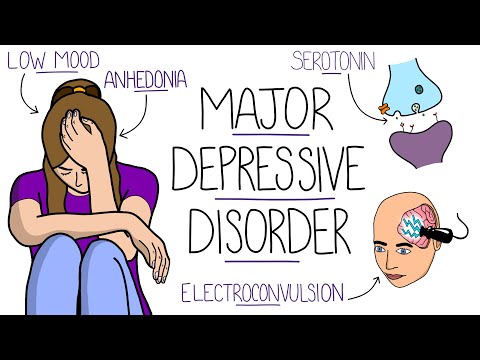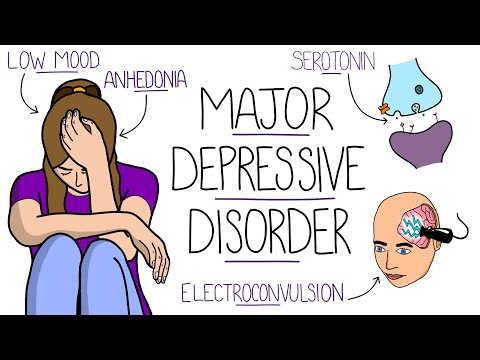
So, let’s talk about Major Depressive Disorder. It’s one of those things that a lot of people hear about but might not fully get.
You know, it can feel heavy. Like, when you’re in the thick of it, everything seems dull and gray. Ugh…
But here’s the thing: the DSM-5—yeah, that big book that has all the mental health stuff in it—has some pretty interesting updates on it.
It’s like a peek behind the curtain at how professionals understand and categorize this condition.
And honestly? That info can help us all wrap our heads around what depression really looks like today. Exciting, right? Let’s dig into what makes this so important!
Understanding DSM-5 Criteria for Major Depressive Disorder: A Comprehensive Guide
Major Depressive Disorder (MDD) is a serious mental health condition that affects millions of people worldwide. The DSM-5, or the Diagnostic and Statistical Manual of Mental Disorders, Fifth Edition, outlines specific criteria to diagnose it. So, let’s break this down in a straightforward way!
To begin with, the DSM-5 says you need to show at least five symptoms during the same two-week period. These symptoms must represent a change from your usual functioning. Here’s what they look like:
- Depressed mood: You feel sad, empty, or hopeless most of the day. It’s like carrying a heavy weight that won’t budge.
- Anhedonia: This is just a fancy term for losing interest or pleasure in almost all activities. Remember how much you loved playing video games? Now it feels like a chore.
- Significant weight change: Either losing or gaining more than 5% of your body weight in a month—without trying to diet!
- Sleeplessness or excessive sleep: You struggle with insomnia or find yourself sleeping way more than usual—like 14 hours straight!
- Psycho-motor agitation or retardation: Feeling restless and unable to sit still? Or on the flip side, moving so slowly that others notice?
- Fatigue: Persistent tiredness no matter how much you sleep; even simple tasks become exhausting.
- Feelings of worthlessness: Harsh self-criticism pops up in your mind. It’s the inner voice that says you’re not good enough.
- Diminished ability to think: Trouble concentrating? It’s like your brain is stuck in slow motion.
- Recurrent thoughts of death: This isn’t just about fear of dying but thinking about it often; it could even mean planning suicide.
Now, here’s where it gets tricky: these symptoms can’t be because of another medical condition or substance abuse. If you’re feeling low after dealing with grief from losing someone special, that might be normal bereavement—not MDD.
This isn’t just about feeling sad for a few days. To qualify as Major Depressive Disorder, these symptoms need to cause significant distress or impairment in social, occupational, or other important areas of functioning. Imagine waking up and dreading every single day; that impacts work life and relationships big time!
Let’s talk about duration too! For diagnosis under DSM-5 criteria, these symptoms should persist for at least two weeks. But if they last longer—like months—it becomes even more serious.
Another key point is that MDD can occur once in your life but can also be recurrent. Some folks experience multiple episodes throughout their lives.
Understanding this framework helps clarify what MDD really is: it’s not just being blue; it’s an ongoing battle with emotions and daily functioning.
So when we talk about revisiting Major Depressive Disorder within the DSM-5 framework, we’re emphasizing not just diagnosis but also awareness around its impact on people’s lives. Recognizing these symptoms can lead to better support systems and ultimately improve well-being.
If you know someone struggling with this disorder—or if you’re experiencing some of these feelings—know that reaching out for help is super important! There are avenues for support out there that’ll really make a difference!
Understanding Major Depressive Disorder: Key Insights from the DSM-5 Classification
Sure, let’s break down Major Depressive Disorder (MDD) in a way that’s easy to grasp. You know, it’s a pretty serious topic but understanding it can really make a difference.
What is Major Depressive Disorder?
So, MDD is more than just feeling sad for a couple of days. It’s like this heavy cloud that doesn’t just float away. According to the DSM-5, which is basically the manual that mental health professionals use to diagnose mental disorders, it includes certain criteria.
Criteria for Diagnosis
To be diagnosed with MDD, you generally need to experience five or more of these symptoms during the same two-week period:
- Depressed mood: Feeling sad or empty most of the day.
- Anhedonia: Losing interest or pleasure in almost all activities you used to enjoy.
- Weight changes: Significant weight loss or gain without trying.
- Sleeplessness: Insomnia or sleeping too much.
- Psycho-motor agitation: Feeling restless or slowed down.
- Fatigue: Loss of energy nearly every day.
- Feelings of worthlessness: Excessive guilt or feeling like you’re a failure.
- Cognitive difficulties: Trouble concentrating, making decisions, or thinking clearly.
- Suicidal thoughts: Recurrent thoughts about death or suicide.
Now, here’s something interesting—these symptoms can look really different from one person to another. Maybe you have a friend who seems fine on the outside but is battling all these feelings inside. It’s wild how depression can disguise itself!
The Duration and Impact
So, for diagnosis purposes, these symptoms need to occur most of the day for at least two weeks. And they have to interfere with your daily life—like work or social stuff. If you’re like skipping out on plans because you can’t muster up the energy? That could be a clue.
Differentiating from Other Disorders
It’s super important to differentiate MDD from other mental health issues too. For example, if you’re feeling low as part of grieving someone special? That’s not MDD; it’s normal grief. Plus, MDD also can’t be completely linked to substances like drugs or medications.
The Role of Context and Culture
Culture plays a role as well! Sometimes what looks like depression in one culture might be viewed differently in another. For instance, some cultures might emphasize physical symptoms over emotional ones when expressing distress.
Treatment Approaches
Lastly—from medication and therapy options available—you’ve got choices! Antidepressants may help balance brain chemicals while therapies can provide coping strategies and support. Support groups are also great because they connect people who understand what you’re going through.
So yeah, it’s really about being aware and understanding that MDD isn’t just something you snap out of. It’s challenging and complex but recognizing it’s an essential step toward getting better!
Epidemiology of DSM-5 Major Depressive Disorder in Adults: Insights and Specifiers in the U.S.
Major Depressive Disorder, or MDD, is a serious mental health challenge affecting lots of people in the U.S. According to some studies, roughly 7% of adults experience this disorder in any given year. It’s pretty significant when you think about it: that means millions of folks deal with it every year.
So, what’s the deal with MDD? The DSM-5, which stands for the Diagnostic and Statistical Manual of Mental Disorders, outlines what we need to consider. To be diagnosed with MDD, a person usually has to face a combination of symptoms for at least two weeks. This includes feelings of sadness or hopelessness, changes in sleep patterns, alterations in appetite or weight, and more. Basically, it messes with your daily life.
Now let’s talk about the specifiers that make MDD even more complex. Specifiers help explain how severe the disorder is and can offer clues about treatment options. Here are a few examples:
- Severity: Is it mild, moderate, or severe? This can affect what kind of help someone gets.
- With psychotic features: For some folks, depression is so severe that they experience delusions or hallucinations.
- Chronic: If someone has depressive episodes for two years or more—that’s called chronic depression.
Understanding these specifiers is crucial because they tailor treatment approaches. Think about it: if someone has chronic depression rather than just a mild episode, they might need different support.
Here’s an interesting tidbit: studies show that rates of MDD can vary based on factors like gender and ethnicity. Women are more likely than men to be diagnosed with this disorder—about double the rates! And certain cultural factors might play a role too; some ethnic groups may have different ways of expressing their feelings or accessing mental health services.
What really stands out is how major life events can trigger episodes for many people—like losing a job or going through a breakup. It’s like the straw that broke the camel’s back. One moment you’re fine; the next moment everything feels overwhelming.
The epidemiology part also highlights that while anyone can experience MDD at any age, most cases start either in late adolescence or early adulthood. It’s like there’s this window where people become particularly vulnerable.
Treatment methods range from therapy to medications like antidepressants. The choice often depends on how severe the individual’s symptoms are and how they’ve responded to past treatments.
In short? Major Depressive Disorder isn’t just one-size-fits-all; it’s complex and varies from person to person. Recognizing its nuances helps ensure those affected get appropriate support tailored to their needs.
So yeah, it’s pretty eye-opening when you look at all these factors together—like age onset and gender differences—even though the symptoms might seem similar across diverse groups! Understanding these details could lead to better strategies for tackling this mental health issue head-on.
Revisiting Major Depressive Disorder (MDD) through the lens of the DSM-5 is kind of like looking at an old photo album and realizing just how much has changed. The DSM, or Diagnostic and Statistical Manual of Mental Disorders, is where mental health professionals go to find definitions and criteria for diagnosing mental health conditions. It’s pretty much the handbook for understanding all sorts of mental struggles, including depression.
So, when it comes to MDD, the DSM-5 made a few updates compared to its predecessor, the DSM-IV. For starters, they really streamlined some criteria. You see this shift towards recognizing that depression can look different depending on who you’re talking about. It’s not always just about feeling sad; there are a ton of other emotional and physical symptoms that come into play, like changes in sleep patterns or appetite.
I remember a friend of mine once shared their experience with depression. They described it as a fog that wouldn’t lift—not just feeling down but having this overwhelming emptiness. And that captures the essence of MDD really well! The DSM tries to accommodate those varied experiences by focusing on symptoms more broadly instead of boxing everyone in with just one narrative.
But here’s the kicker: There’s also been a push for understanding how context matters—like life events or cultural background influencing someone’s experience with depression. It’s all about looking beyond the symptoms and acknowledging personal stories. You know? Mental health isn’t just black and white; it’s messy and layered. So when the DSM-5 updates how we think about MDD, it feels almost like giving people permission to share their own stories without worrying they don’t fit a mold.
In looking back at how MDD was classified before, you can see progress in treating it as a complex condition rather than something as simple as “just feeling blue.” That evolution reflects society’s growing awareness about mental health issues too. And let’s be real—everyone has their battles, even if they look different from one person to another.
So, revisiting MDD through the DSM-5 really highlights a shift towards empathy and understanding rather than strict definitions or limitations on what depression “should” be. I think that makes conversations around mental health feel more inclusive—allowing everyone to acknowledge what they’re feeling without fear of judgment or incorrect diagnosis. In short, it shows we’re trying our best to get closer to the human experience behind those symptoms—and that’s pretty significant!