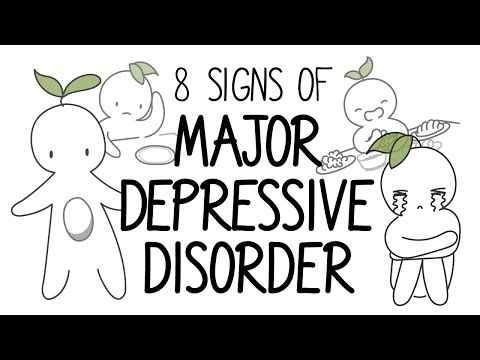
You know that feeling when everything just seems… heavy? Like you’re trudging through mud every single day? That’s a little glimpse into what major depressive disorder can be like.
It’s not just about feeling sad. It can sneak up on you, and before you know it, you’re stuck in a rut. You might start questioning things like, “Why am I so tired all the time?” or “Why can’t I enjoy stuff anymore?”
A lot of people brush off these feelings as just being in a funk. But it goes deeper than that. Recognizing those psychological symptoms is super important.
So let’s chat about what to look out for, shall we? You’ll find that knowing the signs can make a world of difference!
Understanding Major Depressive Disorder Symptoms: A Comprehensive Guide
Understanding Major Depressive Disorder Symptoms
Okay, let’s talk about Major Depressive Disorder (MDD), often just called depression. You might know someone or even experience it yourself. It’s not just feeling sad for a day or two; it’s like carrying this heavy backpack all the time. The symptoms can really get in the way of living your life.
Persistent Sadness
One of the biggest red flags is constant sadness or a low mood that lasts for weeks or months. You wake up feeling like you’re already defeated, and each day feels overwhelming. It’s like everything you used to enjoy has just lost its color.
Loss of Interest
Another common symptom is an inability to find joy in things you once loved, like hobbies or spending time with friends. Imagine loving your favorite TV show and suddenly, it feels boring. You’re not really excited about anything anymore, which can be super frustrating.
Changes in Sleep Patterns
Sleep can go haywire too! Some people sleep way too much and some barely sleep at all. You might find yourself tossing and turning at night, staring at the ceiling while thoughts race through your mind—or on the flip side, sleeping for hours but still feeling exhausted when you awake.
Fatigue or Loss of Energy
Feeling constantly tired can be another huge symptom. It’s not just about needing more sleep; it’s that deep exhaustion, where even small tasks feel monumental. Getting out of bed becomes a challenge—like climbing a mountain every morning.
Changes in Appetite
Eating habits can shift dramatically as well. You might lose interest in food altogether or turn to unhealthy snacks to cope with feelings—and that can lead to significant weight changes too! So one minute you’re craving pizza every night and the next you just don’t want anything at all.
Difficulties Concentrating
When you’re dealing with MDD, focusing on tasks becomes tough. Whether it’s reading a book or making decisions, your brain feels foggy. You could be staring at an email and kind of zoning out instead of processing what’s there—you follow me? It’s frustrating!
Feelings of Worthlessness
Many folks with depression also feel helpless or worthless, which is seriously hard to shake off. Thoughts like “I’m no good” can creep in and take over your mind. These emotions aren’t true reflections of yourself but they feel incredibly real when you’re stuck in that fog.
Irritability
Sometimes people think depression looks like being sad all the time; however, irritability is real too! You might snap at loved ones over tiny things because you’re feeling so overwhelmed inside—like when someone chews too loud and suddenly it’s the biggest deal ever.
Recognizing these symptoms is crucial because they affect so many aspects of life—friends, work, self-esteem—you name it! Speaking up about how you feel is super important because navigating through these symptoms alone can feel isolating.
But remember: just because you’re experiencing some of these doesn’t mean you’ve got MDD—many factors play into mental health! If this resonates with you or someone close to you… well then reaching out for support could be a great idea!
Exploring the Four Key Causes of Depression: Understanding Mental Health Challenges
Depression is one of those things that can sneak up on you. You might be feeling fine one day and then, boom, you’re in a funk. It’s more than just feeling sad, right? There are different factors that contribute to this complex mental health challenge. Let’s break down four key causes of depression.
1. Biological Factors
Biological influences can really play a huge role in how you feel. Think about it: your brain chemistry matters! Neurotransmitters like serotonin and dopamine help regulate mood. If these chemicals are out of whack, it can lead to feelings of sadness or hopelessness. Plus, genetics are also a player here; if someone in your family has struggled with depression, you might be at a higher risk yourself.
2. Environmental Influences
The world around you can shape your mental state big time! Stressful situations—like a breakup or losing a job—can trigger depressive episodes. It’s not just about what happens directly to you but also how your environment feels overall. For instance, being surrounded by negativity or toxic relationships can drain your energy and contribute to depression.
3. Psychological Factors
Your thought patterns definitely come into play here too! If you often find yourself stuck in negative thoughts or have low self-esteem, that’s like filling your mind with dark clouds that block out the sun. Cognitive distortions—think exaggerating problems or jumping to conclusions—can intensify feelings of worthlessness or sadness.
4. Life Events and Experiences
Major life events can knock the wind out of anyone’s sails! Losing a loved one is probably one of the hardest things to go through, and it can lead to deep feelings of grief that might morph into depression. Other events like experiencing trauma or going through chronic illness can create an emotional fallout that lingers long after the event itself.
So really, when we talk about depression, we’re looking at a mix of biological, environmental, psychological factors and life experiences interacting in complex ways. If you’re feeling overwhelmed by depressive symptoms—like constant tiredness or losing interest in stuff you usually love—it’s important to reach out for support from friends or professionals who understand these challenges well.
In conclusion (sorry for throwing that out there), understanding these causes isn’t just for academic purposes; it’s essential for recognizing what’s happening inside us during tough times—and maybe even finding paths toward healing along the way!
Understanding Depression Tests: Legal Implications and Guidelines for Implementation
Depression is one of those things that can be really tricky to navigate. It doesn’t just affect your mood; it can mess with your life in so many ways. And when it comes to understanding depression tests, things can get a bit murky, especially when you throw in legal implications and guidelines.
First off, what are depression tests? Well, these are tools or assessments designed to help identify symptoms of Major Depressive Disorder (MDD). They can vary from questionnaires you fill out to clinical interviews with professionals. They often look for things like persistent sadness, feelings of worthlessness, fatigue, and loss of interest in activities you once enjoyed.
Now, when you’re talking about legal implications and guidelines for using these tests, there’s quite a bit that comes into play. Consent is a big one. You have to make sure that anyone taking the test knows what they’re getting into. It’s not cool to spring this on people without telling them how their info will be used or who will see it.
Also, think about confidentiality. This is super important! Any results from these tests need to stay private. Like, if someone shares their deepest feelings about how they’re struggling with depression, they should trust that those details aren’t going anywhere without their say-so.
Then there’s the matter of reliability and validity. Not every test is created equal! A good test should accurately reflect what it’s supposed to measure— in this case, depression symptoms— and do so consistently over time. Using a well-validated tool means you’re more likely to get accurate insights into someone’s mental health.
On top of all this, let’s not forget cultural sensitivity. People come from all walks of life; different cultures might view mental health differently. So if you’re implementing these tests in diverse settings, understanding cultural contexts can make a huge difference in how people respond and engage with the assessment process.
It also matters where these tests are administered. Whether it’s in schools or clinics or workplaces (hello employee assistance programs!), each setting has its own set of rules and regulations that must be followed. You can’t just hand out depression questionnaires willy-nilly; it needs to be structured properly according to local laws and professional standards.
Another serious point? The difference between screening tools and diagnostic ones! Screening tools help identify those who might need further evaluation but don’t diagnose MDD outright—that takes a clinician’s expertise. So if someone scores high on a screening test, it doesn’t mean they’re officially diagnosed; it’s just the first step toward getting help.
Sometimes it’s helpful (and necessary) for organizations or practitioners using these tests to have written policies. This ensures everyone involved knows the procedures for using them, how results are interpreted, and actions taken afterward based on those results!
So yeah, navigating depression testing isn’t just about figuring out if someone has MDD: it’s layered with consent issues, confidentiality needs, cultural considerations—and let’s not forget reliability concerns! All this stuff matters because at the end of the day? It’s about helping people feel better while respecting their rights and dignity through every step.
You know, when you think about depression, it can feel kinda heavy. I mean, we all have down days, right? But major depressive disorder (MDD) is a whole different ballgame. It’s like carrying a backpack full of bricks everywhere you go, and some days, it feels impossible to take it off.
Let’s get real for a moment. Imagine your friend who used to be the life of the party suddenly canceling plans every time. At first, you might think they just need some alone time. But if this pattern continues and they seem increasingly withdrawn or hopeless? That’s when things start to raise some red flags.
So, what are those symptoms that scream «Hey! Pay attention!»? Well, first off, there’s that persistent feeling of sadness or emptiness that just won’t shake off. You might notice a change in appetite too—some people overeat as a way to cope while others lose interest in food altogether. It’s wild how our bodies react.
And then there’s fatigue. This isn’t just being tired after a long day; we’re talking about waking up feeling like you haven’t slept at all. It’s like waking up in slow motion every single morning. You try to get out of bed, but your body feels glued down.
Sometimes people might also struggle with concentration—like when you’re reading something but your mind keeps wandering off to… well, nowhere important really. Or maybe they feel guilty or worthless for no apparent reason—just buried under feelings that don’t match reality.
Here’s something personal: my cousin went through a tough patch where she couldn’t even enjoy her favorite hobbies anymore. The joy she once got from painting seemed lost in space somewhere. It hurt to see her passion fade away—she looked so defeated.
So recognizing these symptoms isn’t just about labeling someone with MDD; it’s more about understanding what they’re going through and how hard life can be sometimes. If you or someone you know is dealing with these feelings for longer than two weeks—it might be worth reaching out or having an open conversation about it.
Awareness is key here because everybody deserves support when navigating through such dark times!