You know those days when your mind just won’t chill? Like, it’s racing a mile a minute, and you’re feeling heavy with all that anxiety? Yeah, we’ve all been there.
Well, meditation might just be the little buddy you need to help lighten that load. Seriously! It’s like giving your brain a cozy blanket to snuggle under for a while.
Picture this: you’re sitting quietly, focusing on your breath. Suddenly, that wave of calm washes over you. It’s pretty amazing how something so simple can flip the script on anxiety and depression.
So let’s chat about how meditation can be your secret weapon in this battle against those pesky feelings.
Understanding the Benefits of Meditation for Stress and Anxiety Relief: Legal Insights and Guidelines
Meditation has gained a lot of attention lately as a way to manage stress and anxiety. But what’s the real deal? Let’s break down how meditation can help with these pesky feelings.
First off, meditation is basically training your mind to focus. It helps you become more aware of your thoughts and feelings without getting all tangled up in them. You know that feeling when your mind feels like it’s racing? Meditation can help calm that storm.
So, what are the benefits? Well, here are some key points:
- Reduces stress: Regular practice can lower cortisol levels, which is the hormone linked to stress.
- Improves emotional health: Some forms of meditation can lead to an improvement in overall mood and emotional well-being.
- Enhances self-awareness: It gives you a clearer understanding of yourself and your thought patterns.
- Lengthens focus: Helps you concentrate better on tasks by training your brain to stay on point.
- Aids relaxation: It encourages relaxation and promotes a feeling of peace.
For instance, think about that time when everything felt too much—work deadlines piling up, family stuff weighing you down. You might’ve felt like you were stuck in quicksand. Just sitting quietly for a few minutes each day, focusing on your breath, could’ve helped lighten that load.
Let’s not forget about anxiety. Meditating can actually help reduce those racing thoughts that come with it. By practicing mindfulness—being present instead of worrying about the future—you start to create a buffer against anxious feelings.
Now, legally speaking—though it might not be everyone’s cup of tea—some places have started recognizing meditation as part of mental health care approaches. So if you’re thinking about incorporating this into therapy or treatment plans, look into local guidelines or laws because they vary widely.
But here’s the kicker: meditation isn’t a one-size-fits-all solution. It takes time and practice to see the real benefits. Don’t get discouraged if it feels weird at first; everyone starts somewhere!
Finally, remember it’s okay if meditating doesn’t click right away. Just like learning to ride a bike or play an instrument, it takes practice! The goal here is progress over perfection.
In short, while there’s no *magic bullet* for stress and anxiety relief, incorporating meditation into your routine could be a solid step toward feeling more balanced and at ease in our chaotic world. So why not give it a try?
Exploring the Efficacy of Mindfulness-Based Interventions for Anxiety and Depression Relief
Mindfulness-Based Interventions (MBIs) have become pretty popular lately. People are talking about them for good reason, especially when it comes to dealing with anxiety and depression. So, what’s all the fuss about? Well, let’s break it down a bit.
First off, **mindfulness** is about being fully present in the moment. It sounds simple, but really focusing on what’s happening right now can sometimes feel like a superpower. You’re not getting lost in worries about the future or regrets from the past; you just *are*. This can be a huge relief for folks who often find their minds racing.
Now, let’s get into how MBIs actually help with **anxiety and depression**. Research shows that these practices can lead to significant reductions in symptoms for many people. It’s not magic; it comes down to a few key factors:
- Awareness of Thoughts: Mindfulness helps you notice your thoughts without judging them. Instead of getting caught up in negative thinking spirals, you catch yourself and gently redirect your focus.
- Emotional Regulation: By practicing mindfulness, you learn to manage your emotions better. You begin to realize that feelings are temporary – like clouds passing through the sky.
- Stress Reduction: Regular mindfulness practice can lead to lower levels of stress hormones in your body. Less stress often means less anxiety.
A friend of mine, let’s call her Sarah, started practicing mindfulness after struggling with overwhelming feelings of anxiety before work meetings. The first time she tried meditating, she found it hard to sit still and quiet her mind! But over time, she noticed that being mindful helped her pause and breathe when those anxious feelings kicked in.
The beauty of MBIs is that they come in different forms: meditation, yoga, body scans… you name it! They’ve been integrated into therapy settings too—like with cognitive-behavioral therapy (CBT)—which can make them even more effective.
It’s important to note that while many people benefit from these practices, they’re not a one-size-fits-all solution. Some might find other methods or treatments more effective for them personally. There are also ongoing research and discussions around how long the effects last and what specific aspects of MBIs contribute most significantly to anxiety relief or mood improvement.
Overall, if you’re feeling anxious or down in the dumps, giving mindfulness a shot could be worth your time! After all, learning to be present might just be what you need to lighten your mental load a little more each day.
Top Meditation Techniques for Alleviating Stress and Anxiety
Meditation is like a little getaway for your mind, helping you escape the constant buzz of daily life. You know how stress and anxiety can sometimes feel just overwhelming? Well, meditation can be a great way to take a breather and find some calm in that chaos. Let’s chat about some top meditation techniques that can help you feel more centered and relaxed.
1. Mindfulness Meditation
This one is all about being present. Instead of letting your thoughts run wild, you focus on the here and now—like your breath or the sounds around you. Imagine sitting quietly, maybe outside, and noticing every little sound: birds chirping, leaves rustling. It helps ground you and keeps those anxious thoughts from spiraling out of control.
2. Guided Meditation
Not sure where to start? Guided meditations are fantastic for beginners! You usually listen to a recorded guide who walks you through the process. They might take you to a peaceful beach or a serene forest in your mind, which can be super relaxing. Just close your eyes and follow their voice; it’s almost like a mini-vacation.
3. Loving-Kindness Meditation
This technique is all about spreading positive vibes—starting with yourself and then extending it to others. You silently repeat phrases wishing well for yourself and loved ones: “May I be happy; may I be healthy.” It feels nice to send out those good wishes, making your heart feel lighter while reducing stress.
4. Body Scan
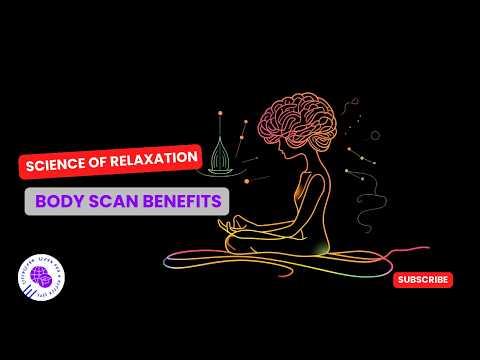
Ever notice how much tension we hold in our bodies without realizing it? A body scan meditation helps you check in with each part of yourself—from your toes to your head—and release that tension bit by bit. Just lay down comfortably, breathe deeply, and visualize warmth spreading through each body part as you mentally check them off.
5. Breath Awareness
Simple but powerful! Focusing on your breath is one of the easiest ways to calm anxiety. Breathe in slowly through your nose, hold for a moment, then exhale through your mouth—like blowing out candles on a cake! This technique makes it easier for you to shift attention away from racing thoughts back to something peaceful and simple.
Remember, there’s no right or wrong way to meditate; it’s really all about what feels good for **you**! So try out different techniques until something clicks—practice makes perfect!
Meditation isn’t just about sitting cross-legged on a fancy mat either; it’s more like finding those moments in the day where you can step back from life’s hustle-bustle even if it’s just with 5 minutes of peace in between tasks at work or while drinking coffee at home.
So if you’re feeling anxious or stressed next time you’re buried under responsibilities or worries, give one of these techniques a whirl! You might be surprised by how much lighter you feel after just a few minutes of mindful breathing or loving-kindness vibes floating around in your head!
You know, I’ve been thinking about how meditation has a way of sneaking into our lives and really shaking things up for the better. I mean, who would’ve guessed that sitting quietly could actually help with anxiety and depression? It’s almost like magic when you see it work for someone.
I remember my friend Sarah. She always seemed so overwhelmed with life—like every little thing was too much. One day she decided to give meditation a shot. At first, she thought it was a bit silly, just sitting there in silence. But after a couple of weeks, she started noticing changes. She felt calmer and more present, like she could breathe again without the weight of the world on her shoulders.
So, what is it about meditation that does this? It’s not just about closing your eyes and tuning out; it’s like training your mind to chill out instead of racing around all the time. When you meditate, you’re actually giving yourself permission to pause and observe your thoughts instead of getting tangled up in them. That alone can take some of the sting out of anxiety and help lift the fog of depression.
There’s this whole idea about mindfulness that fits right in here too. By being aware of your thoughts without judgment, you create a little distance from them. Instead of feeling like you’re stuck in this emotional rollercoaster with all those ups and downs—well, you start seeing it as just an experience you’re having rather than something that defines you.
Of course, meditation isn’t some kind of miracle cure—we all know there’s no one-size-fits-all solution for mental health stuff. But for many people, it opens a door they didn’t even know was there! It creates space to breathe again when everything feels heavy or chaotic.
So if you’re ever curious about trying meditation out or maybe you’ve thought it’s only for yogis or gurus—just know it’s really more accessible than that! Whether it’s five minutes or an hour, giving yourself that time can lead to some surprising outcomes.
In the end, life is complicated enough as it is; so whatever tools we can find to make it a bit easier are worth exploring!