Hey! So, let’s chat about something that’s been buzzing around a lot lately—meditation. You know, that thing people do to chill out and find some zen?
Well, it turns out there’s actually some solid stuff behind it, especially when it comes to anxiety. Seriously! I mean, who wouldn’t want to feel a little less anxious and more at peace?
I remember the first time I tried meditating. I was all fidgety and thought, “This is never gonna work.” But then something clicked. It was like my brain finally hit the pause button for a sec.
So, if you’ve been feeling the weight of stress or just want to find some calm in the chaos of life, stick around. Let’s dive into how meditating can really change your mental game!
Exploring the Impact of Meditation on Anxiety: Benefits and Limitations
Meditation has become a popular tool for managing anxiety, and honestly, it’s not hard to see why. You know how life can sometimes feel like a whirlwind of chaos and stress? Just sit back for a second—close your eyes and breathe deeply. Suddenly, there’s this small moment of peace. The thing is, meditation offers some real psychological benefits, but it’s not magic.
First off, let’s dive into the **benefits** meditation brings to the table when it comes to anxiety:
- Reduces Stress: Regular meditation can lower cortisol levels, which is our body’s primary stress hormone. Imagine feeling lighter because that heavy weight of worry is getting less and less.
- Enhances Self-Awareness: Meditation helps you become more in tune with your thoughts and feelings. It’s like shining a light on those nagging worries so they don’t feel as overwhelming anymore.
- Improves Focus: You know the days when your mind races a hundred miles an hour? Meditation trains your mind to focus better. It’s like giving your brain a workout that makes it stronger over time.
- Encourages Mindfulness: Learning to be present can actually shift how you respond to anxiety triggers. Instead of spiraling into panic mode, you find yourself observing thoughts without judgment.
Now, don’t get me wrong—while meditation has its perks, it also comes with its **limitations**:
- Takes Time: Seriously, if you expect to feel zen after one session, you might be in for a surprise! It takes practice—like any new skill—to really see benefits.
- Might Not Work for Everyone: Some people struggle with sitting still or focusing their minds. And if you’re not feeling it, meditation could honestly add more frustration than calmness.
- Painful Emotions Can Surface: When you meditate, sometimes buried emotions pop up. It’s totally natural but can feel overwhelming if you’re not prepared for it.
- Lack of Immediate Results: If you’re looking for quick fixes or instant relief from anxiety—meditation may leave you wanting more in the beginning!
So picture this: A friend once told me about their experience with meditation. They had always battled anxiety but decided to give it a shot after hearing about its calming effects. At first, they were skeptical; I mean who wouldn’t be? But over time they realized that even just five minutes of deep breathing helped them handle stress better at work! Sure, there were days when their mind raced too much or emotions flooded back in waves—but overall? They found themselves coping better with life’s little curveballs.
In short: Meditation isn’t a cure-all, but it’s definitely worth considering as part of your mental wellness toolkit. It can provide some serious benefits for anxiety management; just keep in mind — it’s only one piece of the puzzle! Give yourself some grace while exploring this path—you might find your own moments of calm among the noise.
Effective Strategies for Resetting Your Mental Health: A Comprehensive Guide
There’s something really powerful about taking a step back and giving your mind a break when life gets overwhelming. Sometimes, you just feel that weight on your shoulders, right? That’s where resetting your mental health comes into play. One of the most effective methods for this is meditation. It’s like hitting the refresh button for your brain.
First off, let’s talk about what meditation actually is. It’s a practice that trains your mind to focus and redirect thoughts. You’re not trying to stop thinking altogether; it’s more about observing your thoughts without letting them control you. Imagine sitting quietly, breathing in, and just noticing what pops up in your head. It’s kinda freeing!
Now, meditation does wonders for anxiety. If you’ve ever felt that tightness in your chest or racing thoughts when stress hits, you know how tough it can be to calm down. That’s where mindful meditation can really help. It encourages you to center yourself and be present in the moment instead of spiraling into anxious thoughts.
Let’s break down some effective strategies for utilizing meditation to reset your mental health:
- Start Small: If you’re new to this whole thing, don’t overwhelm yourself with long sessions. Even just 5-10 minutes a day can make a difference.
- Create a Dedicated Space: Find a comfy spot at home where you won’t be disturbed. It could be anywhere—a cozy corner or even outside on a nice day.
- Focus on Your Breath: Your breath is always with you! Try taking slow, deep breaths—counting each inhale and exhale can help keep you grounded.
- Use Guided Meditations: There are tons of apps and videos out there that guide you through meditations if you’re unsure where to start.
- Be Kind to Yourself: It’s normal for your mind to wander during meditation. When it happens, gently bring your focus back without judging yourself.
Here’s the thing: when you’re consistent with this practice, you’ll likely notice some pretty cool psychological benefits over time. You might start feeling less stressed out or more focused throughout the day.
And it’s not just about being calm; regular meditation can lead to some serious changes in how you perceive the world around you. For instance, studies show people who meditate often report higher levels of happiness and life satisfaction! You’ll learn to manage anxiety better because you’ll have tools ready at hand whenever life throws curveballs.
You know that feeling when you’ve been running around all day? Then suddenly, you sit down and take a deep breath? That sigh of relief? That’s kind of what mediation is—it’s giving yourself permission to pause amidst all the chaos.
In summary, recalibrating your mental health by incorporating meditation into your daily routine isn’t just a trendy move—it’s backed by solid psychological research as an effective way to alleviate anxiety and foster peace of mind. So if life feels heavy sometimes (which it totally does!), give those strategies a shot! You might surprise yourself with what you discover along the way.
Effective Meditation Techniques for Stress and Anxiety Relief: A Comprehensive Guide
Meditation’s kind of like giving your mind a much-needed vacation. It helps with stress and anxiety, right? So let’s dig into some effective techniques that can seriously help calm those racing thoughts.
Mindfulness Meditation is one of the most popular styles. Basically, it’s all about staying present in the moment. You focus on your breath, really paying attention to how it feels as you inhale and exhale. Picture this: you’re sitting quietly, and suddenly you notice the sound of a car outside or maybe your own heartbeat. That’s okay! When your mind wanders, just gently bring it back to your breath.
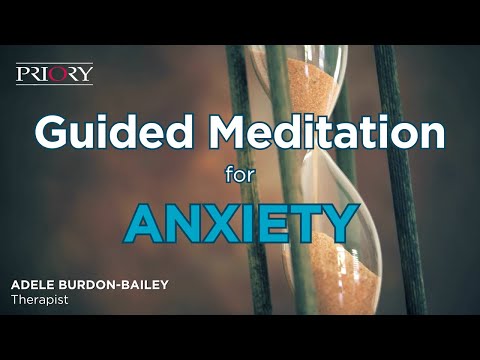
Then there’s Guided Meditation. This one’s pretty cool because you can find recordings or apps that lead you through the process. Someone’s voice takes you on a relaxing journey—maybe to a peaceful beach or through a tranquil forest. It’s like having a personal cheerleader for your mental wellness!
Another technique is Body Scan Meditation. What happens here is you basically check in with different parts of your body, starting from your toes and moving up to the crown of your head. You’ll notice any tension you’re holding onto and consciously relax those areas. It’s amazing how much stress we carry without even knowing it!
You might also want to try Loving-Kindness Meditation. This one focuses on generating feelings of love and compassion—first for yourself and then for others around you. It usually begins with phrases like “May I be happy” or “May I be safe.” As you repeat these, it can shift your mood and create a warm feeling in your chest.
Then there’s Transcendental Meditation (TM), which involves repeating a mantra—a word or phrase—to help settle your mind into deeper states of calmness. TM takes a bit more training but has tons of followers who swear by its effectiveness.
Lastly, there’s Movement Meditations, like yoga or tai chi. These combine physical activity with mindfulness, grounding yourself in movements while focusing on breathing patterns. So if sitting still isn’t really for you? No problem!
Here’re some key points to keep in mind:
- Create a routine: Try to meditate at the same time each day.
- Start small: Even just five minutes counts!
- No judgment: If thoughts pop up—let them! Just bring focus back gently.
- Be patient: Like any skill, meditation gets easier with practice.
Remember that everyone finds their rhythm differently when it comes to meditation techniques! It’s all about experimenting until something clicks for you—and that may take time.
So give these methods a shot when life gets overwhelming! Calm minds lead to better days ahead; it’s all about making space for peace within yourself.
You know those days when your mind just won’t stop racing? It’s like that endless loop of thoughts, worries, and what-ifs. I had a friend once who would get super anxious before big events—like job interviews or presentations. Every time, he’d spiral into this mental chaos, overthinking every little detail. But then he stumbled upon meditation, and honestly? It was a game changer for him.
Meditation isn’t some mystical thing only yogis understand. It’s pretty straightforward. At its core, it’s about taking a moment to breathe and focus. When you do that, it’s almost like hitting the reset button on your brain. You sit there, close your eyes, and just… be present. Sounds simple right? But the effects? They can be profound!
There’s this whole science-y side too, where studies show meditation can actually lessen anxiety symptoms over time. You might not believe it at first, but calming your mind can change your brain chemistry in positive ways. This means less stress hormone swirling around in there and more of those feel-good vibes from neurotransmitters.
And let’s not forget about mindfulness—the big buzzword these days! It’s about paying attention to the here and now without judgment. It helps you detach from negative thoughts instead of getting sucked into them like quicksand. For some people, just acknowledging anxious feelings without spiraling into them makes a huge difference.
But hey, here’s the catch: it takes practice! Just like learning to ride a bike or play an instrument—meditation isn’t always instantly effective. There will be days when your mind wanders off again (hello grocery list). And that’s okay! The point is showing up for yourself consistently.
So if you find yourself feeling overwhelmed or anxious sometimes (and who doesn’t?), maybe give meditation a shot? Who knows—it might just turn out to be your personal toolkit for calming the storm in your head. Trust me; my friend swears by it now!