You know those moments when your mind feels like a runaway train? Yeah, we all have ‘em. Life can get super hectic, and just sitting with our thoughts can feel impossible.
Well, here’s where meditation swoops in, like a calming superhero. It’s not just for yogis in serene poses, you know? There are actual psychological approaches behind it that can make your practice more effective.
Imagine being able to slow that racing mind down. Or maybe finding some peace in the chaos of your daily grind. That’s the magic of combining meditation with psychology.
Stick around, and let’s chat about how to really make meditation work for you. It might just change the game!
Unlocking Inner Peace: The Most Powerful Meditation Technique for Stress Reduction and Clarity
Meditation has been around for centuries, right? People have practiced it in various forms to find that elusive inner peace. But what’s the deal with all these different techniques? Well, one of the most effective meditation practices that people often rave about is mindfulness meditation. Really, it’s like a simple yet super powerful tool for stress reduction and clarity.
Mindfulness meditation focuses on being present in the moment, without judgment. It sounds easy enough—just sit down and be aware of your thoughts and feelings—but there’s a bit more to it. Basically, you’re training your mind to notice when your thoughts start to wander off into stress-ville.
So, how do you actually do it? Here’s a basic rundown:
- Find your space: Pick a quiet spot where you won’t be interrupted. It can be anywhere—a cozy corner of your couch or even outside under a tree.
- Sit comfortably: You don’t need to sit cross-legged like a yogi unless that feels good for you. Just find a comfortable position—maybe in a chair or lying down if that’s better.
- Breathe: Close your eyes (if that helps) and take deep breaths. Inhale through your nose and exhale through your mouth. Feel your chest rise and fall.
- Notice thoughts: As you breathe, thoughts will pop up—grocery lists, worries about work—everything! Just gently acknowledge them without criticizing yourself.
- Return to breathing: Once you’ve noticed those thoughts, bring your attention back to your breath. Keep doing this for about 5-10 minutes at first.
It might sound simple, but trust me—this practice can really help clear out mental clutter over time. The trick is consistency; the more you show up for yourself with this practice, the more benefits you’ll see.
A friend of mine started meditating because she felt overwhelmed with life’s ups and downs. At first, she struggled with her racing thoughts but kept at it anyway. After several weeks of practicing mindfulness meditation just five minutes daily, she noticed she felt calmer during stressful situations—like when her kids were acting wild or when deadlines were looming at work!
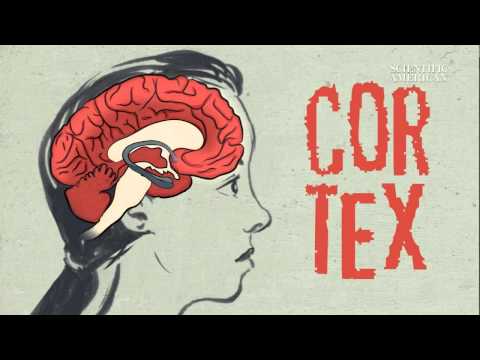
Now here’s something cool: studies show that regular mindfulness practice can actually change brain function! Yes! It can increase gray matter density in areas associated with memory and emotional regulation while reducing activity in parts of the brain linked to stress responses.
But wait! Meditation isn’t some magical cure-all; it takes time and patience. Don’t beat yourself up if it doesn’t feel perfect from the get-go; that’s totally normal! Just treat each session as an opportunity to learn something new about yourself.
In summary: if you’re looking for a powerful technique to reduce stress and enhance clarity in your life, give mindfulness meditation a try. Seriously—you might just unlock some inner peace along the way!
Explore 12 Types of Meditation: Benefits, Techniques, and Practices for Mindfulness
Meditation is one of those things where you think, «Really? How can sitting still do anything for me?» But believe me, it can. People have been practicing meditation for centuries, and there are a bunch of different types each with its own vibe and benefits. So let’s break it down into twelve styles, shall we?
1. Mindfulness Meditation
This one’s all about being present. You basically observe your thoughts and feelings without judging them. It’s like watching clouds float by without getting swept away by the storm. Practicing mindfulness can help reduce stress and improve focus.
2. Transcendental Meditation (TM)
You repeat a specific mantra to settle your mind down. It’s super popular because, honestly, it just works for a lot of people. This technique might leave you feeling more relaxed and refreshed after just twenty minutes.
3. Guided Meditation
Picture someone leading you through a visualization or calming story. You’re often taken on an imaginary journey which is pretty cool! This type helps you relax deeply and is great for beginners who might feel lost.
4. Zen Meditation (Zazen)
This form usually involves sitting in silence while focusing on your breath or observing thoughts as they come and go. Zen meditation emphasizes posture; you sit up straight like a statue, but not uncomfortably so!
5. Loving-Kindness Meditation (Metta)
Here, the goal is to develop an attitude of love and kindness toward yourself and others. You focus on sending good vibes to friends, family, or even people you don’t particularly like!
6. Chakra Meditation
This one focuses on energy centers in the body called chakras—they’re kinda like power stations for your well-being! By concentrating on these energy points, practitioners aim for balance and alignment.
7. Vipassana Meditation
This ancient technique encourages self-reflection through observing bodily sensations and thoughts over time to cultivate insight into your true nature—sounds pretty deep, right? It usually takes place in silent retreats lasting 10 days or more!
8. Movement-Based Meditations
Think yoga or Tai Chi—moving while meditating helps bring awareness to the body as well as the mind, promoting both physical health and mental clarity.
9. Body Scan Meditation
You systematically focus on each part of your body from head to toe—or vice versa! This practice promotes relaxation by helping you notice tension you may not be aware of.
10. Mantra Meditation
This involves repeating a sound or phrase out loud or in your mind—it could be something simple like «peace» or more complex mantras from different traditions! Mantras help settle the mind into a rhythm.
11. Nature Meditation
Being outdoors gives an added layer of peace; this isn’t just about wandering around but really connecting with nature—like focusing on how trees sway in the breeze or listening to birds sing.
12. Heart Rhythm Meditation
You sync your breath with your heartbeat—seriously cool stuff! It’s believed that this type enhances emotional balance as you tune into the rhythm of life itself.
Why should anyone care about this? Well, meditation practices can lead to lower stress levels, improved emotional health, better attention span—you name it! Interested yet? Just dive into one that resonates with you; you might find it works wonders—or at least makes that busy brain slow down a bit!
The key takeaway here is meditation isn’t just one-size-fits-all—it has many flavors like ice cream! So pick what feels right for you and enjoy exploring these calming practices when you’re ready.
Understanding Meditation Psychology: Insights into Mental Well-being and Mindfulness Practices
Meditation has become this buzzword lately, right? But it’s more than just sitting quietly and humming. It taps deep into psychology and can really change how we feel and think.
First, let’s get into what meditation actually does for your mind. When you’re meditating, you’re practicing mindfulness, which is basically focusing on the present moment without judgment. It’s like taking a mental vacation where you tune out the chaos around you.
Now, you might be wondering how this impacts your well-being. When you meditate regularly, research shows that it can reduce symptoms of anxiety and depression. It’s almost like giving your brain a workout! People often report feeling less stressed afterward. So when life throws curveballs at you—and let’s face it, it will—you’re better equipped to handle them.
Another cool thing about meditation is that it helps with emotional regulation. You know those days when emotions run high? Meditation teaches you to recognize those feelings without acting on them right away. It’s like pausing before hitting send on that fiery email or snapping at a friend!
One very interesting aspect of meditation psychology is the concept of neuroplasticity. This means your brain can actually change its structure in response to experiences. Yeah, really! Studies have shown that regular meditation can strengthen areas related to attention and emotional control. So basically, you’re rewiring your brain for the better!
There are different types of meditation too—each with unique psychological benefits:
- Mindfulness Meditation: Focuses on being present; great for reducing anxiety.
- Loving-kindness Meditation: Cultivates compassion; helps improve relationships.
- Transcendental Meditation: Involves repeating mantras; known for relaxation.
Here’s a little story: A friend of mine started meditating after feeling overwhelmed at work all the time. At first, she thought it was too weird but eventually stuck with it. After a few weeks, she said she felt more centered and noticed she wasn’t as reactive during stressful meetings anymore—it was genuinely life-changing for her!
So if you’re considering giving meditation a shot but have some doubts—hey, totally normal! Just remember that like any practice, it’s about consistency over perfection. You don’t need to sit cross-legged and chant if that doesn’t vibe with you.
In summary, understanding meditation through the lens of psychology reveals its potential in enhancing mental well-being. By fostering mindfulness and creating structural changes in the brain, meditation becomes more than just a trend; it’s a valuable tool for navigating life’s ups and downs with greater ease.
Meditation, huh? It’s one of those things that sounds super simple but can feel pretty complicated, right? I mean, you might think you just sit down and clear your mind, but there’s a lot more going on under the surface. Different psychological approaches can really change how we experience meditation.
Let me tell you a little story. A friend of mine, Alex, always struggled with racing thoughts. You know the type—brain going a mile a minute. He decided to give meditation a shot, but at first, he found it frustrating. He couldn’t quiet the noise in his head. But then he read about mindfulness meditation, which basically is all about being present in the moment and accepting whatever comes up without judgment. With that approach, he started to focus on his breath and noticed when his mind drifted off into the usual chaos. Slowly but surely, it made a difference.
So what makes mindfulness so effective for many? It taps into something called «metacognition.» This is like thinking about your own thinking—realizing what thoughts are happening without getting swept away by them. You start recognizing patterns in your mind instead of feeling overwhelmed by them.
There are other styles of meditation too! Let’s talk about loving-kindness meditation for example. It’s all about compassion—not just towards others but also towards yourself. When people practice this approach regularly, they often report feeling happier and more connected to others because they learn to cultivate positive feelings and let go of negativity.
And then there’s transcendental meditation, which involves repeating specific mantras to help settle your mind down. Some folks swear by it! They find that focusing on sound helps distract from mental chatter pretty effectively.
The beauty of these different approaches is that they cater to different needs and personalities—there’s no one-size-fits-all here! If sitting in silence doesn’t feel right for you or makes you anxious (which it definitely can), finding an approach that resonates with your own style can really open up new pathways toward relaxation and clarity.
So if you’re curious about meditation or have tried it before but felt like it wasn’t working out… maybe it’s time to explore various psychological techniques and see what vibes with you? After all, it’s kind of like finding the right pair of shoes; not everything will fit everyone perfectly! And who knows? You might just find that one method turns out to be surprisingly transformative for how you handle life’s ups and downs.