Hey! You know how life can get super hectic sometimes? I mean, between work, family, and just everyday stress, it’s no wonder our blood pressure can go a bit haywire.
But what if I told you that there’s a way to chill out and lower that pressure naturally? Yup! Mindfulness techniques are like little nuggets of calm you can use anytime and anywhere.
Imagine sitting in your car for just a few minutes, taking deep breaths while the world rushes by. Sounds nice, right? These techniques don’t take much time and can really help you feel more grounded.
So, let’s chat about some simple ways to get your mind centered and your blood pressure down. Ready to give it a shot?
Discover the 60-Second Technique to Effectively Lower Blood Pressure
Alright, let’s chat about something that’s been floating around a lot lately: that 60-second technique for lowering blood pressure. You might be wondering how on earth such a quick trick can actually help. I mean, it sounds almost too good to be true, right? But the key really lies in mindfulness.
Mindfulness is basically being present and aware of your thoughts and feelings without judgment. It’s like when you’re taking a long walk outside. You feel the breeze, notice the colors of the leaves, and just soak it all in. This awareness can significantly impact your blood pressure.
So, here’s where this nifty little 60-second technique comes into play:
- Find Your Spot: Look for a quiet place where you won’t be disturbed; it could be your living room or even a cozy corner at work.
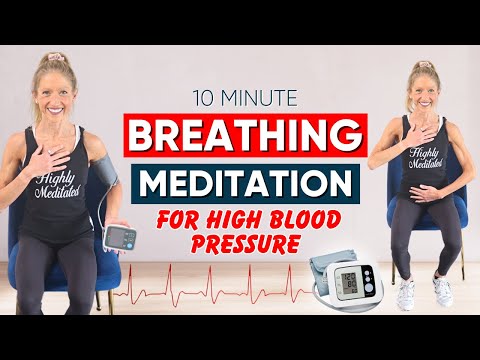
- Breathe Deep: Take a deep breath in through your nose, letting your belly expand fully. Hold it for just a second or two.
- Breathe Out Slowly: Exhale through your mouth gently. Imagine blowin’ out candles on a birthday cake—nice and slow!
- Focus on the Breath: As you breathe in and out, focus solely on that sensation—the air filling your lungs and then releasing back out.
- Repeat It: Do this deep breathing routine for about one minute. Try counting each breath if that helps keep your mind from wandering.
This whole process may sound simple, but it’s powerful! When you focus like this, you kind of reset your mind and body; stress melts away, which is great since stress is often linked to high blood pressure.
You know how sometimes when you’re anxious or stressed about something—maybe an exam or an important meeting—you feel that tightness in your chest? Well, engaging in mindfulness helps relieve that tension. It allows our body to shift from “fight or flight” mode back to “rest and digest.”
A friend of mine once tried this technique during a particularly stressful day at work. She said after just one minute of focused breathing, she felt way more relaxed—like the weight was lifted off her shoulders! Her heart rate slowed down too.
The thing is, practicing this regularly could lead to long-term benefits for your blood pressure as well. Over time, you might find yourself handling stressful situations better without that immediate spike in tension!
If you’re interested in more ways to keep hypertension at bay naturally, consider combining this technique with physical activity or healthy eating habits because let’s face it—taking care of yourself is all about balance!
So remember: next time you’re feeling overwhelmed or those worries start creeping up on you, take just sixty seconds to breathe deeply and refocus your mind! It might surprise you how effective simplicity can be.
Holistic Approaches to Naturally Lowering Blood Pressure: Essential Strategies for Wellness
Sure thing! Let’s talk about holistic approaches to naturally lowering blood pressure and sprinkle in some mindfulness techniques, too. It’s like those two are best buddies when it comes to your overall wellness.
To start, holistic approaches mean looking at the whole person instead of just the symptoms. You know? It’s about considering your body, mind, and spirit as interconnected parts of your health puzzle. High blood pressure can feel overwhelming, but there’s a lot you can do from a holistic perspective.
First off, let’s chat about mindfulness techniques. Mindfulness is kinda like hitting the pause button on life for a moment. It’s about being present and aware without judgment. Seriously, just taking a few minutes each day to focus on your breath or notice your surroundings can magically reduce stress—which is super beneficial for blood pressure.
Here are some key strategies:
- Meditation: This could be as simple as sitting quietly for 5-10 minutes and focusing on breathing. Even guided meditations can help! Just think of that calm feeling washing over you.
- Deep Breathing: Try inhaling for a count of four, holding it for four, then exhaling for four. Repeat this several times. Feels good right? That’s the relaxation kicking in!
- Yoga: It mixes physical postures with breath control and meditation. Plus, it’s awesome for flexibility if you need that too! There’s something soothing about stretching gently while focusing on your breath.
- Nature Walks: Yeah, getting outside can really clear your mind! Walking in nature not only gives you exercise but also lowers stress levels dramatically.
Now let’s explore some other lifestyle tweaks that can help naturally lower blood pressure:
- Diet: Think Mediterranean—lots of fruits, veggies, whole grains, healthy fats like olive oil, and fish. Cut down on processed stuff if you can; your heart will thank you!
- Regular Exercise: Aim for at least 150 minutes per week—this could be brisk walking or cycling! Just something to get the heart pumping.
- Sufficient Sleep: Never underestimate sleep’s power! Lack of sleep can mess with your stress hormones and lead to higher blood pressure.
- Saying “No” to Stress: Find out what stresses you out and try to step away from it when possible. You deserve that break!
A little personal story: I remember when my friend was struggling with high blood pressure due to work stress. She started meditating every morning while sipping her tea on the balcony—it became her happy ritual! After a few weeks? Her numbers were way better after incorporating just a bit more mindfulness into her life.
So yeah, these strategies aren’t just magic fixes but more like helpful habits you build over time. The thing is—you gotta be patient with yourself. Start small and see what works best for you!
In short: lowering blood pressure naturally is all about combining mindfulness with other lifestyle changes—like diet and exercise—to create a balanced approach to wellness that feels right for you! Give yourself grace as you integrate these into your life; it’s all part of the journey toward better health.
Effective Chinese Remedies and Treatments for Managing High Blood Pressure
Managing high blood pressure can feel a bit like navigating through a maze, especially when looking for remedies that actually work. You might have heard about Chinese remedies, which often blend herbal treatments with mindfulness techniques to help regulate blood pressure naturally. Let’s explore how this all ties together.
First off, Chinese medicine is rooted in the idea of balance in the body, where everything needs to flow harmoniously. This could mean that your mind and body connection is just as important as the herbs you might take. Stress can be a silent killer—raising your blood pressure without you even realizing it! That’s where mindfulness comes into play.
Mindfulness techniques involve being present and aware of your thoughts and feelings without judgment. Imagine you’re sitting quietly with your eyes closed, focusing on your breath. It’s like taking a mini-vacation from all those racing thoughts! Regular practice can really help lower stress levels, which is beneficial for managing high blood pressure.
Now, let’s get into some specific remedies from Chinese traditions:
- Herbal Teas: Ingredients like Hawthorn berries and Ginger are popular in Chinese herbal medicine. Hawthorn is known for its heart benefits, while ginger can improve circulation.
- Acupuncture: This ancient practice involves inserting thin needles into specific points on the body to promote healing and balance. Some studies suggest it might help lower blood pressure by improving circulation and reducing stress.
- Dietary Changes: A traditional Chinese diet emphasizes fresh vegetables, whole grains, and lean proteins. Foods rich in potassium, such as sweet potatoes or spinach, can be particularly good for managing blood pressure.
- Meditation: Similar to mindfulness techniques, meditation encourages you to focus inwardly. Even just ten minutes a day can create noticeable shifts in your overall stress levels.
- Tai Chi: This gentle form of martial arts combines slow movements with deep breathing. It promotes relaxation while keeping the body active—definitely a win-win!
So here’s the deal: combining these traditional Chinese remedies with modern mindfulness techniques creates a more holistic approach to managing high blood pressure. Think about it this way—you’re not just addressing symptoms; you’re looking at overall wellness.
Incorporating these practices isn’t an overnight fix but rather a gradual shift towards better health. If you feel overwhelmed by all this info or unsure where to start, you might want to pick one thing at a time—like sipping on some Hawthorn tea while practicing daily meditation!
Remember though: it’s always wise to consult with healthcare professionals before making any major changes, especially if you’re already on medication for high blood pressure.
Basically, blending ancient wisdom with contemporary practices can genuinely lead you toward healthier living! And let’s face it—we could all use some extra calmness in our lives these days!
So, let’s chat a bit about mindfulness and how it can help with blood pressure. You know how life can get super hectic and often, it feels like everything’s happening at once? Yeah, it’s like you’re juggling a million things, and then suddenly—bam!—stress hits you like a ton of bricks. It’s no wonder we end up feeling frazzled, right?
A while back, I was talking to a friend who had been dealing with high blood pressure for years. She was always anxious, constantly worried about work stuff and personal issues. After some heart-to-heart talks, she decided to give mindfulness techniques a try. Honestly, it was amazing to see how she transformed!
Mindfulness is basically about being present in the moment. It’s not just sitting around doing nothing; it’s more about tuning into your thoughts and feelings without judgment. You know, just letting them flow without getting all worked up over them. So one simple way she started practicing this was through breathing exercises. Just taking a few minutes each day to focus on her breath really made a difference! It sounds simple—like, who would’ve thought something so easy could help? But yeah!
This kind of deep breathing can actually lower heart rate and blood pressure. When you breathe deeply and slowly, your body sends signals that help relax your nervous system. And there you have it—a stress-busting combo right there!
Another technique she tried was guided meditation. There are tons of apps out there that walk you through simple sessions that can last anywhere from five minutes to half an hour or more. The beauty of it is you don’t need to be a meditation pro; just find a comfy spot and listen in. It helps clear the mind clutter.
And let’s not forget about mindful walking! Seriously! Just taking a stroll while paying attention to your surroundings—the wind on your face or the sound of leaves rustling—is surprisingly grounding.
But here’s the kicker: It’s not an instant fix or anything magical—it takes consistency over time before the benefits show up big-time in things like blood pressure readings.
So yeah, I guess what I’m saying is that mindfulness can be this awesome tool you didn’t even know you needed for managing stress—and ultimately blood pressure too! Life may throw curveballs, but finding these little moments to breathe can really change how we navigate through them.