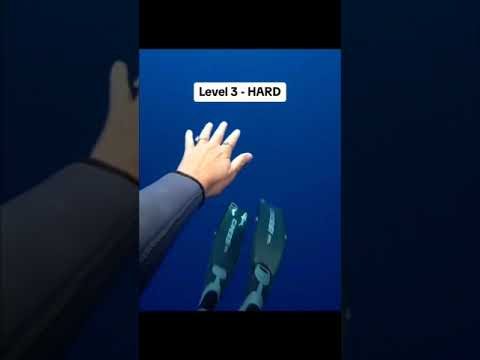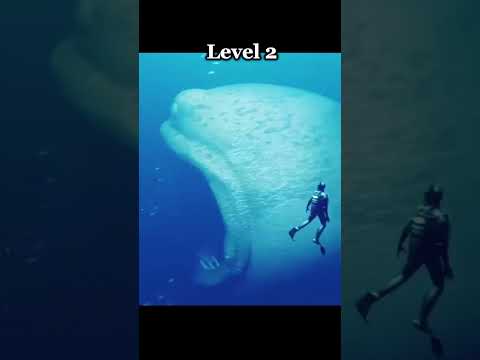
Okay, so picture this: you’re chilling at the beach, sun shining, waves crashing. Suddenly, you turn around and see a gigantic building looming behind you—or even worse, a massive ship! Your heart races, right? That’s megalophobia for ya.
It’s that intense fear of really big things. Not just slightly larger-than-life stuff but, like, the major league of size. Think skyscrapers or humongous statues. It can mess with your head in ways you might not even expect.
But what’s behind it? Why do some people feel frozen in place when they face something huge? Let’s dig into this psychological rabbit hole together. You might find it’s more common than you think!
Understanding the Psychology of Megalophobia: Insights into Fear of Large Objects
Megalophobia is one of those fears that can really throw a wrench in the works of daily life. You might not have heard that term before, but if you’ve ever felt a twinge of panic when faced with something massive—like a giant statue or a huge building—you might just be dealing with this particular phobia.
People who experience megalophobia often feel an intense fear when confronted with large objects. Think about it: standing next to something enormous like the Statue of Liberty can make you feel small and vulnerable, right? This sensation isn’t just about size; it’s more about how the presence of these objects triggers anxiety and discomfort. It’s like your brain starts screaming, “This isn’t normal! Get outta here!”
Now, let’s break down what makes megalophobia tick.
- Origin of Fear: A lot of phobias stem from past experiences or learned behaviors. For some, it could be a childhood encounter with something gigantic that didn’t go so well.
- Cognitive Patterns: People with this fear often have negative thought patterns. They might imagine worst-case scenarios where they’re trapped or crushed by these huge objects.
- Physical Reactions: When faced with large structures, folks may experience heart palpitations, sweating, or even nausea—basically your body’s way of saying “Run!”
Anecdote time! A friend once told me about her terrifying trip to an amusement park where everything seemed oversized: the rides, the crowds—everything was colossal. She froze in front of one roller coaster that soared high above her head. She felt totally overwhelmed and couldn’t figure out why it was so hard to shake off that feeling of dread. Turns out she had been bullied as a kid by someone much taller than her, which probably added fuel to her fear.
That brings us to another point: the link between past experiences and present fears. Our brains are like sponges when we’re younger; they soak up memories—good or bad. If you had a negative experience related to large objects during your formative years, it’s totally possible that this feeling has lingered into adulthood.
In terms of coping mechanisms, people deal with megalophobia differently. Some try to avoid large spaces altogether; others might rely on deep-breathing techniques to manage their anxiety when facing those towering structures head-on.
In summary, understanding megalophobia involves recognizing its roots in personal experiences as well as grasping how our minds react physically and emotionally to large stimuli. It can be tough living with such a fear but knowing how it works is the first step toward finding ways to confront those always-difficult gigantic objects in life!
Exploring the Prevalence of Megalophobia: Understanding How Many People Are Affected
Megalophobia is a real thing and, believe it or not, it’s more common than you might think. It’s the fear of large objects, which can be anything from towering buildings to gigantic statues. If you’ve ever stood next to a massive sculpture and felt a chill run down your spine, you might just relate.
Many people experience varying degrees of this fear without even realizing it. The exact number of folks affected can vary depending on how studies define and measure megalophobia. Some estimates suggest that around 2% to 5% of the population could have some form of this fear. It’s pretty wild when you think about how many people that could be globally!
So what causes this fear? Well, like other phobias, it often stems from past experiences or even cultural influences. Imagine being a kid who got lost in a big theme park—those towering rides might seem menacing when you’re small! Some people develop these feelings through negative associations with large objects or environments, leading to moments when they feel overwhelmed or anxious.
Interestingly, not everyone reacts the same way. Some might avoid certain places or situations entirely—like skipping that awe-inspiring museum because the thought of massive exhibits sends them into panic mode. Others might feel uneasy but still try to brave it out.
One thing to recognize is that megalophobia can manifest in different ways for different individuals. For example:
Imagine standing near a giant statue and feeling like it’s looming over you—yeah, it’s intense! But here’s the kicker: confronting those fears can sometimes lessen their power over time. That doesn’t mean it’s easy; it can take support and understanding from others.
In sum, while megalophobia may not be as widely discussed as fears like spiders or heights, it’s definitely out there affecting real lives. Understanding its prevalence opens up conversations about how we deal with our own fears and anxieties—something we all share in one way or another.
Exploring Megalophobia: Genetic Predisposition vs. Learned Behavior
Megalophobia is an intense fear of large objects. It might sound kinda strange, but it can seriously disrupt someone’s life. So, what’s behind this fear? Is it something you’re born with or something you pick up along the way? Let’s break that down.
First off, genetic predisposition plays a role in megalophobia. There are folks who are more likely to develop phobias simply based on their family history. If your parents had anxiety issues or panic disorders, you might have a higher chance of experiencing similar fears yourself. That’s not to say it’s a guarantee, but those genes can throw you some signals about how you might react to certain situations.
But then there’s the other side of the coin—learned behavior. This is when we pick up fears from our environment or experiences. Imagine being a kid and going on a field trip to see this enormous statue that totally freaks you out! You scream, and everyone laughs. From that moment on, big things start feeling threatening because your brain wires itself to remember that moment as dangerous.
Some researchers point out how
can kick off these kinds of fears. For instance, let’s say someone had a scary encounter under a massive bridge during a storm. Every time they see something large after that—like another bridge—they get all jittery again.
Another angle is
. Think about horror movies with giant monsters or wild news stories about massive disasters; they can leave an imprint on vulnerable minds. If you watch enough of this stuff, large objects start looking less like structures and more like potential threats.
So clearly, both nature and nurture have their parts to play here. A mix of predispositions and learned behavior makes for each individual flavor of megalophobia.
When we talk about treating or confronting these fears later in life, it usually involves facing those big objects in a safe way while managing anxiety triggers—a bit like learning to swim by dipping your toes in before diving head-first into the deep end!
The journey isn’t always easy. But understanding where megalophobia comes from helps make sense of it all and can be the first step toward feeling more in control when facing those towering giants out there!
Megalophobia is this deep-seated fear of really large things—stuff like skyscrapers, big statues, or even enormous animals. Imagine standing next to a massive building. Yeah, it’s kind of impressive but also a little scary, right? That feeling of being tiny in the presence of something so gigantic can definitely trigger anxiety for some people.
So, think about it: when you’re faced with something that makes you feel vulnerable or small, your brain might go into overdrive. It’s not just about the size; it’s how that size can symbolize danger in your mind. You start imagining all the «what ifs.» What if I can’t escape? What if that big ol’ statue falls over? It’s like your mind pulls out a horror movie script just to add to the drama.
I remember a friend who had a serious case of megalophobia. One summer day, we went to see this huge monument downtown. As we got closer, I could see her pulse quickening and her eyes darting around as though she were looking for an exit route. She wanted to be brave but couldn’t shake off that feeling of dread. Honestly, it was heartbreaking watching her struggle with something that seemed so normal to me.
The thing is, confronting fears like megalophobia isn’t just about facing the giant objects themselves; it’s about understanding where those feelings come from. Maybe there were past experiences tied to feelings of helplessness or even trauma around large objects or open spaces. Often times we internalize these moments and they manifest into phobias later on.
Confronting these fears can be tough—we’re talking about deeply ingrained emotional responses here! Sometimes exposure therapy helps by gradually introducing someone to what they fear in a controlled way, letting them build their confidence while trying to shift their perspective. But it’s not an overnight fix; it’s progress over time.
At the end of the day, megalophobia—or any phobia—reminds us how complex human emotions are. It’s about taking small steps and recognizing that it’s completely okay to feel scared sometimes. It makes us human! So if you find yourself feeling overwhelmed by life’s giants, remember: you’re not alone in this journey of confronting those fears head on!