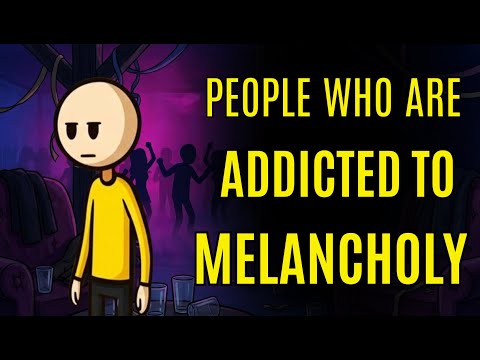
You know those days when everything feels a bit heavy? Like, you can’t quite shake off that cloud hovering above you? It’s such a universal thing, really.
Melancholy’s like that quiet friend who shows up uninvited but somehow needs to be acknowledged. It’s not all doom and gloom, though! There’s something kinda beautiful about it.
I mean, seriously, this feeling can teach us so much. It pushes us to dig deeper into ourselves and reflect on what matters most.
So let’s chat about it! What does it mean to embrace this mood? How can we see it as a part of our emotional landscape rather than just something to rush past? Here we go!
Understanding the Psychology of Melancholy: Insights and Implications
Melancholy is like that shadowy friend who shows up uninvited but can teach us a lot about ourselves. Understanding its psychology is key to embracing those moody moments instead of pushing them away.
What is Melancholy?
It’s not just feeling sad; it’s a complex emotional state. Think of it as a blend of sadness, reflection, and sometimes nostalgia. It often comes with a sense of longing for something lost or unattainable. It’s deeper than just a bad day at work or an argument with a friend.
The Roots of Melancholy
There are many reasons why we might feel melancholy. Sometimes it stems from loss, like the death of a loved one or the end of a relationship. Other times, it can be triggered by more subtle things, like dissatisfaction with life or feeling disconnected from others. Basically, it’s an emotional response to our experiences and thoughts.
Why Embrace Melancholy?
You might wonder why you should let melancholy stick around instead of shooing it away. Well, there’s value in those somber feelings! They can lead you to self-discovery and creativity. Many artists and writers have produced some of their best work during melancholic phases—think Van Gogh or Emily Dickinson.
The Role of Reflection
When you’re feeling melancholic, you often find yourself reflecting on past experiences and relationships. This introspection can bring clarity about your values and priorities in life. It’s almost like your mind takes stock of what’s important to you while sifting through both happy and sad memories.
The Impact on Relationships
Melancholy affects how we connect with others too. Sometimes people withdraw when they feel this way—like they’re stuck in their own bubble—but that doesn’t have to be the case! Sharing these feelings with friends or family can foster deeper connections and understanding.
Anecdote
Let me tell you about my buddy Sam. He went through a rough breakup last year and found himself spiraling into melancholy for months. Instead of fighting those feelings, he started writing poetry about his experiences—he wrote his heart out! In the end, not only did he heal, but he also discovered a talent for expression he didn’t know he had.
Cultural Interpretations
Different cultures view melancholy in unique ways too—it’s not all doom and gloom! In some traditions, melancholy is seen as a path to wisdom or enlightenment. This perspective can change how we approach our own sad moments; maybe they’re not entirely bad after all!
Implications for Mental Health
Ignoring those melancholic feelings isn’t helpful; it could lead to more serious issues later on like depression or anxiety if left unchecked. Acknowledging melancholy as part of our emotional palette allows us to process our thoughts healthily rather than shoving them under the rug.
In summary, understanding the psychology behind melancholy helps us embrace these complex feelings rather than dread them. You never know what insights or creativity might arise from being open to that cloud hanging over your head!
Understanding the 7 Levels of Sadness: A Comprehensive Guide
Understanding sadness can be a tricky thing. It’s like that old friend you love but sometimes wish would just go away. Sadness is not just one feeling but a whole spectrum of experiences. Let’s break it down into what some folks refer to as the seven levels of sadness.
1. Mild Discomfort
This is like that tiny cloud hanging in the background on an otherwise sunny day. You might feel a bit off or irritable, but it doesn’t ruin your day. Maybe you got up on the wrong side of the bed, and nothing looks appealing. It’s common and often passes pretty quickly.
2. General Sadness
At this level, you start to notice a deeper heaviness in your chest or an overall sense of gloom. Things that usually bring joy might not be as exciting anymore—like when you used to love pizza night with friends, and now it just feels… bland.
3. Pensive Reflection
This level is more introspective. You find yourself thinking about life, choices, or past experiences more than normal. It’s like being stuck in your own thoughts—a bit like watching a sad movie that makes you reflect on your own life choices.
4. Deep Melancholy
Now we’re entering some serious territory here. This feeling can linger and feels much heavier than before—almost like carrying around an invisible backpack filled with stones. You might isolate yourself from friends and family during this stage because everything feels too intense.
5. Profound Grief
This level often connects to loss—whether it’s losing a loved one or something significant in life, like a job or a relationship. The sorrow is deep and consuming; it can feel both overwhelming and unbearable at times.
6. Existential Dread
Here’s where things get philosophical—and heavy! You might start questioning everything: What’s the point? Why am I here? It can be daunting to sit with these thoughts as they swirl around your mind, and it often makes you search for meaning in life again.
7. Despair
This is the darkest pit on the spectrum where hope seems dimmer than ever before; it can feel extremely isolating too! You may struggle to see any light at the end of the tunnel, making even small tasks seem monumental.
Even though these levels might seem gloomy, it’s important to remember they’re all part of our emotional landscape—it’s human! Just like how we have moments of joy that vary in intensity, sadness works similarly too.
Now think about how these levels interact with each other—you might bounce between them depending on different life events or stressors! Being aware of where you’re at can help navigate through those feelings better without getting lost along the way.
In closing, embracing melancholy doesn’t mean staying stuck there forever; instead, understand that this emotional spectrum is part of being human!
Embrace Your Dark Side: Inspiring Quotes for Personal Growth and Self-Acceptance
We all have those moments when the darker parts of ourselves seem to rear their heads. You know, those feelings of sadness, anger, or confusion that we often try to avoid? Embracing your “dark side» doesn’t mean you have to dive into negativity. Rather, it’s about acknowledging these emotions and using them as a pathway for personal growth and self-acceptance.
Think about this: melancholy can actually be a powerful teacher. When you feel down or reflective, it’s a signal that something needs attention. Instead of pushing it away, what if you sat with those feelings for a bit? It’s like having a chat with an old friend who really knows you. This process can lead to some serious insights.
Here are some thoughts that might help:
- «The wound is the place where the light enters you.» – Rumi This quote reminds us that our struggles often lead to our greatest growth.
- «What we think, we become.» – Buddha It’s essential to be aware of your thoughts. Embracing them fully means transforming them into something positive.
- «You must do the thing you think you cannot do.» – Eleanor Roosevelt Facing those fears or dark thoughts can be transformative.
A while back, I had this friend who always seemed cheerful on the outside but carried a lot of sadness inside. One day, she admitted she felt overwhelmed by her own expectations. Instead of brushing it off, she began journaling about those feelings. Over time, she learned so much about herself through her own reflections—finding strength in vulnerability.
The thing is: by facing what makes us uncomfortable or sad, we open up new avenues for understanding ourselves more completely. And when we understand ourselves better, we can start making changes that align with who we really are.
You might notice how acceptance plays a big role here. Accepting your emotions doesn’t mean giving in to despair; rather it’s recognizing and validating your experience as part of being human. Like the saying goes: «You are not alone.»
An important aspect is realizing that emotions aren’t permanent; they come and go like waves crashing on the shore. Sometimes embracing your dark side means riding those waves instead of trying to resist them. It’s perfectly natural! We all have ups and downs; that’s part of life’s rollercoaster ride.
So next time you’re feeling low or melancholic, remember: it’s not just okay to feel these things—it’s essential for personal growth! Use those moments as stepping stones toward deeper self-acceptance.
Melancholy, huh? It’s one of those feelings that kind of creeps in when you least expect it. You know that moment when you’re sitting quietly, and suddenly your mind goes to a sad song or a bittersweet memory? That’s melancholy for you. It’s not just about feeling down, though. It has this depth that can be both heavy and oddly comforting.
I remember one particularly rainy afternoon when I was just lounging around, staring out the window. Everything seemed gray, and I felt this wave of sadness wash over me. But instead of pushing it away, I let it linger a bit. I thought about past relationships and dreams that didn’t quite pan out. Weirdly enough, embracing that heaviness made me feel more connected to my experiences—like every tear shed was part of my story.
Psychologically speaking, there’s something fascinating about melancholy. Some researchers argue it can lead to greater creativity and reflection. Think about artists or writers who’ve created stunning works while grappling with their own sadness. Sometimes, letting yourself feel the gloom can lead to breakthroughs or insights you wouldn’t have reached otherwise.
But here’s the catch: too much melancholy can also become a downward spiral if you’re not careful. It can trap you in a loop where everything feels hopeless. So the challenge is finding balance—allowing yourself to experience those darker emotions without getting lost in them.
And let’s face it; our culture often tells us to chase happiness at all costs. But embracing moments of sadness—or even nostalgia—allows for more genuine emotional experiences. Life isn’t just sunshine and rainbows; it’s also thunderstorms and overcast days.
So next time you find yourself feeling a bit melancholic, maybe give yourself permission to lean into it for a moment instead of shooing it away like an annoying fly. There might just be something beautiful waiting on the other side of that bittersweet feeling!