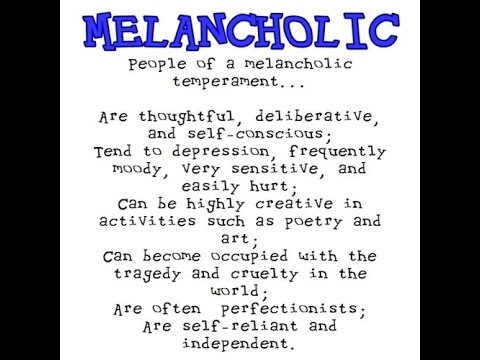
So, you know how sometimes you just feel a little… different? Like, there’s this heaviness in your chest or a cloud hovering over your head? Yeah, that’s what we’re chatting about today: the melancholic temperament.
It’s super intriguing. This whole vibe that some people carry around like it’s their go-to accessory. If you’ve ever found yourself deep in thought or just kind of drifting through life, what I’m saying might hit home.
We’re talking about the not-so-glamorous side of emotions. The ups and downs, the moods that can change with the weather. And believe me, there’s a lot more to it than just being sad or moody.
So grab a cozy drink and let’s unpack this together!
Understanding the Weaknesses of Melancholic Personalities: Insights and Implications
So, let’s chat about melancholic personalities. You know, these folks are often deep thinkers, highly sensitive, and pretty introspective. But like anyone, they’ve got some weaknesses that can really shape their lives. Understanding these can be valuable not just for them but also for anyone close to them.
The melancholic temperament, according to ancient psychology theories, tends to be characterized by a mix of traits. They’re often detail-oriented, perfectionists, and driven by a strong sense of duty. That said, it’s not always rainbows and butterflies for them.
- Overthinking: Melancholics can really get stuck in their heads. They might analyze every little detail in a situation until it drives them—well, a bit nuts! For instance, if they had a minor argument with a friend, they could replay the conversation over and over again in their minds.
- Pessimism: A common trait is seeing the glass half empty instead of half full. When things don’t go as planned, they may spiral into negative thoughts about their abilities or future opportunities—thinking “Why bother?” instead of staying motivated.
- Difficulty in decision-making: Because they weigh every option so carefully (sometimes too much), making even small choices can feel overwhelming. Imagine being at a restaurant and taking forever to decide what to order because every dish has its pros and cons!
- Avoidance of social situations: While many melancholics value relationships deeply, anxiety about judgment can lead them to shy away from social gatherings. They might worry that others view them as too serious or moody.
- Tendency toward self-criticism: Their high standards mean they’re often pretty hard on themselves when they feel they’ve fallen short. If they don’t reach a goal at work or school, the inner dialogue can be brutal—like having your worst critic live inside your head!
You see how these traits interact? It creates kind of a cycle where their sensitivity amplifies feelings of sadness or inadequacy. Imagine feeling deeply connected with art or music but then becoming overwhelmed by emotions when reflecting on life’s struggles.
The implications? Well, recognizing these weaknesses can foster compassion—both for melancholics themselves and those around them. Friends or family can help by encouraging more balanced thoughts or gently nudging them outside their comfort zone while respecting their emotional needs.
In essence, understanding the strengths and weaknesses of melancholic personalities gives us some good insight into navigating our relationships better—and also maybe learning something valuable about ourselves along the way!
Understanding the Sin of Melancholy: Insights and Implications
So, let’s talk about melancholy and why it gets labeled as a sin sometimes. The term “melancholy” goes way back, originating from ancient medical theories. It’s linked to the idea of excess black bile, you know? People used to think that if you had too much of it, you’d feel super sad and gloomy. But what does that even mean in today’s world?
First off, melancholy is often seen as a temperament. This means it’s kinda like an emotional style or personality trait that shapes how you view the world. People with a melancholic temperament tend to be more reflective and may feel intense emotions—both the highs and the lows. They might get deep into their thoughts, often feeling more sensitive to their surroundings, which can be a mixed bag for them.
You might have noticed this in your own life or in someone close to you. Picture your friend who always seems lost in thought while others are joking around. They may appear pensive because they process feelings deeply. You see their sadness more than their cheerfulness sometimes, right?
Now here’s where it gets tricky: melancholy is often viewed negatively—like it’s something to be avoided. Society encourages us to be happy all the time and dismisses those deeper feelings as weaknesses or sins. In reality, feeling melancholic isn’t inherently bad; it can even lead to creativity and insight! Some of the most profound art comes from those who have felt this way.
But there are some implications of this melancholic state that we should consider:
- Emotional Struggle: People experiencing melancholy might find themselves battling feelings of hopelessness or despair.
- Creativity: It’s a double-edged sword; while melancholy can inspire artistic expression, it could also spiral into darker places.
- Social Isolation: Those in a melancholic state may withdraw from social settings because they feel misunderstood.
- Existential Reflections: Melancholic individuals often ponder life’s bigger questions—sometimes leading them down a rabbit hole they can’t escape.
Understanding these points can help us see that melancholy isn’t just some “sin” we should push away but rather an aspect of human experience deserving compassion and understanding.
The important takeaway here? Embracing these feelings can lead to growth and understanding about ourselves and others. So next time you or someone around you is feeling that weight of sadness, remember: it’s part of life’s rich tapestry! Each thread matters, even if some are darker than others.
Exploring the Link Between Melancholic Temperament and Anger Issues
Exploring the connection between **melancholic temperament** and **anger issues** can be pretty interesting. Melancholic folks are often seen as deep thinkers, sensitive, and emotionally intense. They dive into their feelings, you know?
So, let’s break it down a bit. Melancholic temperament is basically one of those old-school personality types that dates back to Greek times. It’s tied to being reflective, sometimes overly so. Picture someone who might dwell on past mistakes or feel blue for no clear reason. This can create a kind of emotional storm.
One thing we see in melancholic individuals is the tendency to feel things more intensely than others. Like when you get that feeling of sadness creeping in; it can turn into anger if left unchecked. And anger isn’t just about rage—it can surface as frustration or even irritability over time.
- Depth of Emotion: Melancholics often experience a rollercoaster of feelings. That depth means when they’re low, it really feels low; and that sadness can morph into anger.
- Self-Reflection: They’re natural introspectors, which means they replay situations in their minds. This rumination can lead to anger directed at themselves or others.
- Sensitivity: You know how some people just seem to take everything to heart? Well, melancholics often feel slighted or misunderstood easily, which can trigger anger.
Let’s think about an example. Imagine you have a friend who’s naturally melancholic. They’re going through a tough time at work—always thinking about what they could’ve done differently during a presentation. Instead of addressing their feelings directly and finding ways to cope with them, they internalize that shame and resentment. Later on, they might snap at someone for something trivial because they haven’t processed that earlier frustration properly.
Now here’s the kicker: while melancholy and anger might seem opposing at first glance, they’re tightly linked through this emotional intensity and sensitivity to circumstances around them.
Understanding this link is crucial for better emotional management—both for those with melancholic tendencies and those around them.
In summary, recognizing that melancholic temperament isn’t just about feeling sad but also how those feelings can evolve into anger is key. It helps in creating healthier ways to express ourselves without letting that internal storm spill over onto others!
You know, the melancholic temperament is one of those things that really gets you thinking about human nature. When you hear «melancholic,» you might picture someone who’s always sad or brooding. But it actually runs a bit deeper than just feeling blue. It’s like an emotional landscape—full of ups and downs, right?
So, let’s break it down. People with this temperament tend to be sensitive and thoughtful, often diving deep into their emotions. They might feel things more intensely than others do. I mean, think about that friend who always seems to notice the little details in life—the way the sun hits the leaves or how a certain song brings back memories. That’s classic melancholic behavior!
I remember a while back when I was having a rough time; I felt like everything was weighing heavily on me. My friend, who’s definitely got that melancholic vibe, sat with me for hours just listening to my feelings. She didn’t rush me to feel better; she simply let me be in that space of sadness and reflection. It made such a difference—like, sometimes you need someone to really understand where you’re coming from.
Now, there are some traits linked to this temperament too. Melancholics are often perfectionists and can have really high standards for themselves and others; they want things to be just right! This can lead them to be hard on themselves when they fall short—like creating a beautiful painting but obsessing over every little flaw instead of enjoying the experience.
And here’s the kicker: while this temperament might come off as gloomy at times, it also has its strengths. Many artists and writers channel their deep emotions into stunning works of art or powerful stories that resonate with others. Like, have you ever listened to a sad song and felt totally understood? That’s what I’m talking about!
What makes it all even more interesting is how this melancholy can affect relationships too. Those with this temperament often crave deep connections but also fear rejection or misinterpretation of their feelings—which can make them retreat sometimes.
Ultimately, understanding the melancholic temperament is all about recognizing the beauty within those complex emotions and seeing how they shape not only our experiences but also our interactions with others. So next time you meet someone who feels like they carry the weight of the world on their shoulders, remember—they might just be seeing life through an incredibly rich lens filled with emotion and depth!