You know, codependency can feel like being stuck in a loop. You’re always giving, and somehow never quite getting what you need in return. It’s exhausting, right?
I remember a friend who was constantly bending over backward to keep their partner happy. They lost track of their own needs. It was like watching a beautiful flower wilt—just heartbreaking.
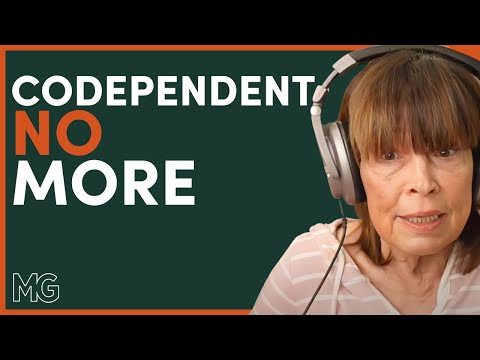
Enter Melody Beattie. Her insights have helped tons of people untangle themselves from those sticky emotional webs. Seriously, her work is like a flashlight in a dark room.
So let’s dig into what she teaches about breaking free from that cycle and discovering your own strength. It’s time to reclaim your life!
Unraveling the Story of Melody Beattie: Life, Legacy, and Recent Developments
Melody Beattie is like that friend who whispers life-changing advice at just the right moment. She’s an author and speaker whose work focuses on **codependency** and healing. Her book, *Codependent No More*, published in 1986, became a game changer, offering a roadmap for those who found themselves in unhealthy relationships. You know how sometimes we get lost in someone else’s needs? That’s what she was tackling.
Beattie’s journey wasn’t always smooth sailing. She had her own battles with addiction, which informed her writing and outreach. Imagine being caught in a cycle of dependency and then breaking free—this was her reality. It was through grappling with her struggles that she discovered the power of self-help and recovery.
One major theme in Beattie’s work is **self-acceptance**. She helps readers understand that acknowledging their emotions is not only okay but necessary for growth. Basically, you can’t heal what you don’t feel! Her messages focus on teaching individuals how to set boundaries, which is huge when it comes to breaking free from codependent patterns.
In terms of legacy, Beattie’s impact stretches far beyond her books. She has inspired countless individuals to prioritize their well-being over unhealthy attachments. Many people have shared stories about how reading her work changed their perspectives on love and relationships. It’s like flipping a switch; suddenly, they see things differently.
In recent developments, Beattie has continued to evolve her message as cultural conversations about mental health grow more inclusive and accessible. She’s active on social media, sharing insights that resonate with both long-time fans and newcomers alike—seriously relevant stuff!
- Codependency Awareness: Beattie raised awareness about codependent behaviors at a time when it wasn’t widely discussed.
- Self-help Movement: Her contributions helped shape the self-help genre into what it is today.
- Sustained Engagement: Even now, she actively engages with followers online as mental health advocacy evolves.
Beattie’s approach encourages openness and vulnerability among readers—qualities often seen as weaknesses but are really strengths! By fostering these traits, she empowers people to reclaim their lives from entangling dependencies.
So if you ever find yourself wrapped up in someone else’s drama or sacrificing your happiness for another’s sake, think of Melody Beattie’s wisdom! Her story continues to ignite conversations about independence and healthy relationships while giving hope to those looking for change.
Understanding the Four M’s of Codependency: A Comprehensive Guide
Codependency can feel like a tangled mess, where one person’s well-being is so wrapped up in another’s that they lose sight of themselves. When you think about codependency, it often breaks down into what some call the Four M’s: **Meaning**, **Management**, **Maturity**, and **Motivation**. Let’s unpack these a bit.
Meaning really gets at the heart of why we connect with others. People who struggle with codependency often find their self-worth tied to someone else’s feelings or actions. For example, if your friend is upset, you might feel like it’s your job to fix it, even if it means ignoring your own needs. You think you’re helping, but it ends up feeling heavy and burdensome.
Then there’s Management. This involves how we handle our emotions and those of people around us. Codependent folks tend to take on more than their fair share of emotional labor—like being the one who always listens or fixes problems for others. It’s kind of like being in a never-ending cycle of caring for everyone else while your own feelings take a backseat. Ever felt that weight? It can be exhausting!
Moving on to Maturity. Now, this doesn’t mean age; it’s more about emotional depth and resilience. People who are codependent might struggle here because they find it hard to assert their own needs or boundaries. Think about it: if you’re constantly worrying about how others feel, you don’t give yourself the chance to grow up emotionally in those relationships. That lack of maturity can keep you stuck in unbalanced dynamics.
Finally, we have Motivation. This is what fuels our actions and decisions in relationships—are they healthy? Are they coming from a place of care for ourselves or solely for others? A common motivation for those dealing with codependency could be fear—fear of rejection or abandonment. If you feel that your worth depends on keeping someone happy, you’ll bend over backward to avoid any conflict.
So there you have it! Understanding the Four M’s gives insight into what keeps codependency alive and how knowing about them can help in breaking those patterns. You see? It’s all interconnected—you start working on one area, and the rest begins to shift too!
Understanding Melody Beattie’s Definition of Codependency: Key Insights and Implications
Melody Beattie is a pretty well-known figure when it comes to understanding codependency. Her work sheds light on the complexities of relationships where one person relies heavily on another for their emotional needs. So, what does she really say about it? Let’s break it down.
First off, Beattie defines codependency as a behavior pattern that often arises in relationships where one person sacrifices their own needs for the sake of someone else. This can lead to feelings of
worthlessness and an inability to establish healthy boundaries. It’s like you’re giving your all, but at the cost of your own happiness—and it doesn’t feel great.
She highlights a few key insights about codependency:
- Lack of Boundaries: Codependent people often struggle to set limits. For instance, if your friend always borrows money but never pays you back, and you still keep lending without saying anything, that’s a boundary issue.
- Self-Sacrifice: There’s this tendency to put others first all the time. Imagine skipping a dinner with friends because someone needed help moving, even though you’re exhausted—it can easily become a pattern.
- Nurturing vs. Controlling: Codependents can confuse caring with controlling behavior. Think about someone who tries to manage every detail of their partner’s life under the guise of helping. It might feel supportive at first, but it can actually trap both people in unhealthy dynamics.
An interesting thing Beattie points out is that codependency often stems from childhood experiences—especially growing up in dysfunctional families where roles are reversed or responsibilities are shifted. You might end up feeling like you have to take care of everyone else’s problems just because that was how you were conditioned as a kid.
The implications here can be significant. If you’re caught in a cycle of codependency, it can affect every aspect of your life—from friendships to romantic relationships and even work situations. You start finding that your happiness hinges on how others are doing instead of focusing on yourself.
The good news? Beattie’s insights also offer pathways for breaking free from these patterns! She emphasizes self-awareness and encourages people to recognize their own needs and desires as valid—no less important than anyone else’s!
Basically, understanding codependency through Beattie’s lens is like shining a light on why we often feel trapped in our relationships. It’s all about recognizing those patterns so we can start making healthier choices—and ultimately live more fulfilling lives!
You know, codependency is such a complex thing. It’s like being stuck in this invisible web of dependency, where your sense of self-worth gets tangled up in someone else’s needs and feelings. I remember a friend of mine, let’s call her Sarah. She was always putting everyone else first—her family, her partner—while she pretty much faded into the background. It was heartbreaking to watch because she had so much to offer but never recognized her own value.
Melody Beattie really dives into this whole idea of codependency in her work. She talks about how it often comes from wanting to feel needed or loved, which makes total sense. Like, when you’re pouring all your energy into someone else’s happiness, it can kind of feel like you’re doing good things for love, right? But what happens is that it can lead to resentment and an identity crisis for the codependent person.
Beattie encourages people to reclaim their lives by setting boundaries and recognizing their own worth—something super important! It’s not about being selfish; rather, it’s about understanding that you deserve care too. I once heard her say something along the lines of “it’s okay to put yourself first,” and honestly? That hit home for me.
Her insights remind us that it’s essential to care for ourselves as we care for others. Breaking free from that cycle isn’t easy—it takes time and some real soul-searching—but every small step matters. Sarah eventually started focusing on what made her happy instead of just what everyone expected from her. And guess what? Her relationships improved too!
So yeah, breaking free from codependency can feel like trekking through a dense forest with no clear path ahead, but with a bit more awareness and support (like Beattie’s work), you can start carving out your own way. Just remember: you’re worthy of love and happiness just as much as anyone else out there!