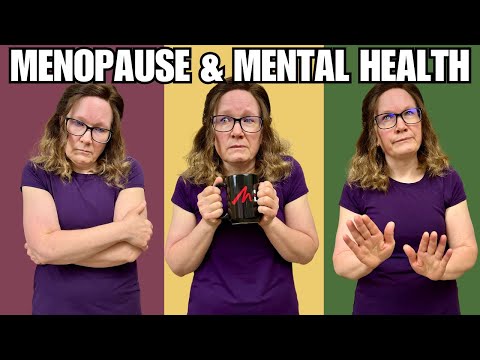
You know, menopause can be a real rollercoaster. One minute, you’re feeling fine, and the next, everything’s changing. It’s like your body decided to throw a surprise party, but you didn’t get an invitation.
And here’s the kicker: along with the physical stuff—like hot flashes and mood swings—mental health can take a hit too. Ever heard of those sneaky feelings of sadness creeping in? That’s depression knocking at the door.
It’s not just you. Lots of folks struggle during this time. It’s tough to handle the emotional ups and downs while life keeps throwing curveballs your way. So, let’s chat about what happens in your head during this phase and how to navigate those tricky waters together. Sound good?
Understanding the Menopausal Depression Test: Key Insights and Resources
Menopause can be a challenging time for many. It’s that transition period when your body starts to produce less estrogen, and it can stir up a storm of emotional and physical changes. One of the significant issues some women face during this phase is depression. It’s not just a little sadness; it can be pretty tough, you know?
A lot of women report feeling more anxious, irritable, or even lost during menopause. Sometimes these feelings stem from hormonal shifts, but they can also be influenced by life circumstances like kids leaving home, career changes, or just the aging process itself. So, it’s no surprise that identifying and addressing these feelings is vital.
This is where the Menopausal Depression Test comes in. This test isn’t like your regular quiz — it’s designed to help recognize symptoms of depression specifically related to menopause. Although it doesn’t give a formal diagnosis (that’s for healthcare professionals), it can point out if you might need some extra support.
Here are a few key insights about this test:
- What does the test measure? It usually looks at emotional well-being, sleep patterns, mood swings, and energy levels. You might see questions about feelings of sadness or hopelessness.
- Why take the test? Well, understanding where you stand emotionally helps in figuring out whether you’re experiencing menopausal depression or something else entirely.
- No two experiences are alike: Each woman goes through this stage differently. Your results might vary from someone else’s due to personal history or lifestyle factors.
- Resources for support: After taking the test, if things seem off-balance, consider seeking help from mental health professionals or support groups focused on menopause.
- Your voice matters: Talk openly with friends or family about how you’re feeling; sometimes just having someone listen can make a huge difference.
It’s crucial to remember that feeling low during menopause doesn’t mean there’s something wrong with you—it’s completely valid given the changes happening in your life and body.
If you’re going through this phase right now or know someone who is facing similar struggles, maybe think about bringing up these topics gently over coffee or while hanging out at home—real talk makes everything feel less daunting.
And hey! If it seems overwhelming? Don’t hesitate to reach out to professionals who specialize in menopausal health—they can offer tailored strategies based on individual needs. After all, navigating through menopause with mental health in mind is key for a smoother journey ahead!
Understanding the Impact of Menopause on Mental Health: A Comprehensive PDF Guide
Menopause is a natural stage in a woman’s life, but it can bring some pretty intense changes, not just physically but also mentally. The transition usually happens between your late 40s and early 50s, and while many folks talk about hot flashes and night sweats, there’s a lot more going on under the surface.
When you hit menopause, hormonal fluctuations are like waves crashing against the shore. Estrogen levels drop significantly, which can mess with your mood and mental well-being. This hormonal roller coaster can lead to feelings of sadness, anxiety, or even depression. Seriously, it’s common for women to experience mood swings during this time.
Now let’s break down some key points regarding how menopause affects mental health:
- Emotional Symptoms: Many women report increased irritability or sadness. You might feel like you’re on a wild emotional ride without any seatbelt!
- Anxiety Levels: It’s not unusual for anxiety to spike during menopause. This could be due to physical changes or life stressors that pile up around this age.
- Sleep Disruptions: Hot flashes can keep you from getting a good night’s sleep. And if you’re waking up tired? That definitely contributes to feeling down.
- Cognitive Changes: Some women notice issues with memory or concentration. It’s like your brain is running on low battery sometimes!
- Social Isolation: Many may withdraw from social situations as they navigate these changes. Feeling alone only worsens those feelings of depression.
It’s almost like a domino effect: one issue leads to another. For example, if you’re not sleeping well due to night sweats, that lack of rest might make you more irritable during the day, which impacts your relationships and makes you feel even worse overall.
And let me tell you about the stigma attached! Society often brushes off these struggles as mere “women’s problems,” minimizing their significance. But if you’re feeling overwhelmed? It’s totally valid! Reaching out for support is crucial; whether that’s chatting with friends or seeking professional help.
On top of all that, it’s essential to remember that every woman’s experience with menopause is unique. Some sail through it while others find it tough emotionally and mentally. That means understanding these challenges is vital in supporting yourself or others going through this phase.
So basically, menopause isn’t just about those physical symptoms—it significantly impacts mental health too! Staying informed can help demystify what you’re feeling and lead to better ways of coping with those feelings when they arise.
Understanding Postmenopausal Depression: Causes, Symptoms, and Treatment Options
Understanding postmenopausal depression can feel a bit like wandering in a fog. You know something’s off, but it’s hard to pinpoint just what it is. Sometimes, it sneaks up on you when you’re grappling with the physical changes that come with menopause.
So, what causes this kind of depression? Well, the transition into menopause usually brings about hormonal fluctuations. Estrogen and progesterone levels drop quite a bit during this time. These hormones play a huge role in regulating your mood. Basically, when they dip, so can your mental health.
There’s also the psychological impact. The whole experience of menopausal symptoms can be overwhelming—hot flashes, sleepless nights, and the emotional rollercoaster that comes along with it. It’s normal to feel anxious or irritable as your body adjusts. And let’s face it; dealing with body changes can take a toll on how you see yourself.
Now, let’s get into some common symptoms of postmenopausal depression:
- Persistent sadness or low mood: You might find joy slipping away from things you used to love.
- Fatigue: Even after sleeping well, feeling drained is more common than you’d think.
- Anxiety and irritability: Little things may start bugging you more than usual.
- Difficulty concentrating: You know that feeling when your mind just goes blank? Yeah, that.
- Changes in appetite: Some people overeat while others lose interest in food altogether.
If you’re nodding along and thinking these sound familiar, don’t brush them off. It’s important to recognize that you’re not alone in feeling this way. Many women go through similar struggles during this phase of life.
A great way to tackle these feelings is to explore Treatment Options. Here are some paths people often consider:
- Cognitive Behavioral Therapy (CBT): This helps by changing negative thought patterns and behaviors—you learn tools to manage emotions better!
- Mood Stabilizers or Antidepressants: Doctors may prescribe medications to help balance out those hormonal changes affecting your mood.
- Lifestyle Changes: Regular exercise or practicing mindfulness can do wonders for your emotional well-being!
- Nutritional Support:Your diet really matters! Foods rich in omega-3s and vitamins could help lift your spirits.
The road through postmenopausal depression isn’t straightforward; it’s filled with ups and downs. Just remember: it’s totally okay to seek help and support during this time. A conversation with a healthcare provider or joining a support group might just make all the difference in how you feel day-to-day.
You’ve got this! Recognizing what’s happening is often the hardest part—and now you’re one step closer. Embracing these changes while leaning on available resources can be empowering as you navigate this chapter of life!
Menopause can be a tricky time. If you’re going through it, you may feel like your body is throwing a whole bunch of surprises your way. It’s not just the hot flashes or mood swings; there’s this sneaky emotional shift that can creep in too. For some people, depression becomes an unwelcome guest during this phase, where every little thing feels magnified.
Let me tell you about a friend of mine—she went through menopause and at first didn’t think much of it. I mean, who does? Everyone talks about the physical stuff, but the emotional side often gets overshadowed. Then, one day, she mentioned feeling really down for no apparent reason. She couldn’t shake off this sadness that seemed to hang over her like a cloud. That’s when it hit her—this was a part of her menopause journey.
You might relate; during this time, hormone levels fluctuate wildly. It’s like your brain is trying to adjust to a new playlist while the song keeps changing every few seconds. Now throw in life stressors like aging parents or changes at work, and it’s no wonder some folks feel overwhelmed or hopeless.
Depression during menopause isn’t just about feeling sad all the time; it can manifest in anxiety, irritability, and even an overall sense of loss—loss of youth, energy, or vitality. You start questioning everything: relationships with friends, career choices—it can feel like being on a rollercoaster without any control.
What makes it more challenging is that society often doesn’t talk about these feelings openly. So you could be thinking you’re alone in this battle when really many others are facing similar struggles but don’t say anything.
But here’s the thing: acknowledging these feelings is vital. Just because menopause brings changes doesn’t mean they have to define your experience negatively. Finding support—be it from friends who get it or professionals who understand—can make all the difference.
So yeah, if you’re in this stage of life and feeling those psychological shifts brought by menopause and maybe depression too? You’re not alone—and it’s okay to seek help or simply talk about what you’re feeling without judgment. We’ve got to break that silence!