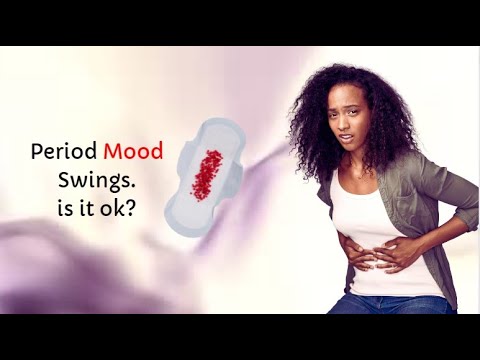
Okay, so let’s talk about something that kinda affects half of the world, right? The menstrual cycle. It’s not just about cramps and cravings. Like, have you noticed how your mood can flip like a light switch during this time?
One minute you’re feeling on top of the world and then, uh-oh… here comes that wave of sadness or irritation. What gives? It’s all part of the process! Those emotional ups and downs can be super confusing.
Honestly, you’re not alone if you’ve wondered why your feelings feel a bit extra sometimes. Let’s dive into the nitty-gritty of how hormones play their little trick on our emotions during each phase of the cycle. Sound good? Cool!
Understanding the Key Differences Between Bipolar Disorder and PMDD: A Comprehensive Guide
Bipolar Disorder and Premenstrual Dysphoric Disorder (PMDD) are two conditions that can cause significant emotional changes, but they’re pretty different from each other. Let’s break it down so you can get a clearer picture.
First off, **Bipolar Disorder** is a mental health condition characterized by extreme mood swings. You know, the kind where you might feel on top of the world one moment and then deep in despair the next? These shifts can last for days, weeks, or even longer.
- Types of Episodes: In bipolar disorder, you experience manic episodes (feeling super high energy) and depressive episodes (feeling sad and low). Sometimes you can even have mixed episodes where feelings of euphoria and sadness happen at the same time.
- Duration: These mood swings occur over prolonged periods. A manic phase could last for a week or longer, while depressive phases might stick around even longer.
- Triggers: While some stressors may trigger an episode (like lack of sleep or major life changes), bipolar disorder often has a genetic component and doesn’t strictly correlate with external events.
Now, let’s chat about **PMDD**. It’s like a more intense version of PMS but way more serious; it affects around 3% to 8% of women in their reproductive years. With PMDD, you’re looking at severe emotional and physical symptoms that come right before your period.
- Timing: The big thing is that PMDD symptoms appear in the luteal phase of your menstrual cycle—so about a week or two before your period hits—and fade once menstruation begins.
- Symptoms: People with PMDD deal with extreme mood swings too, but it’s often linked to irritability, anxiety, depression, and feelings of overwhelm that’s very cyclical.
- Treatment: Management usually includes lifestyle changes like diet modifications or medication specifically targeting hormonal fluctuations.
To really wrap your head around these differences: Imagine Sarah has bipolar disorder; she might feel euphoric for three weeks straight out of nowhere and then spiral into depression for weeks afterward. On the flip side, Laura experiences PMDD; her moods plummet just days before her period starts but bounce back once her period kicks in.
So basically—while both conditions involve emotional ups and downs—bipolar disorder is about long-term mood cycles, whereas PMDD is tied to your menstrual cycle. Understanding these distinctions helps ensure that treatment can be tailored properly! If someone deals with one versus the other requires different approaches entirely.
Keep this info handy because recognizing these differences could really help in understanding yourself or someone close to you better!
Understanding Menstrual Cycle Mood Swings: A Comprehensive Chart for Tracking Emotional Changes
So, let’s chat about menstrual cycle mood swings. It’s something a lot of people experience, and it can feel like a wild emotional ride sometimes. Understanding these shifts can make it way easier to cope with how you feel throughout the month, you know?
The menstrual cycle is typically around **28 days**, but it can vary from person to person. You’ve got different phases in this cycle: the **menstrual phase**, the **follicular phase**, the **ovulation phase**, and the **luteal phase**. Each of these phases affects your hormones differently, which can lead to varying moods.
Menstrual Phase (Days 1-5)
During your period, hormones like progesterone and estrogen drop pretty low. This can lead to feelings of fatigue or irritability. You might just want to curl up on the couch with some snacks and binge-watch your favorite show!
Follicular Phase (Days 6-14)
As your body starts gearing up for ovulation, estrogen starts to rise. This phase is usually marked by increased energy and positive vibes! You might find yourself feeling more social or creative—the world seems a little brighter, doesn’t it?
Ovulation Phase (Around Day 14)
Oh boy! This is when estrogen hits its peak. You might feel super confident and even a bit flirty! It’s common for energy levels to be high during this time, making you ready to tackle anything that comes your way.
Luteal Phase (Days 15-28)
Now here comes the rollercoaster again! After ovulation, progesterone rises while estrogen dips slightly. For many folks, this leads to moodiness or anxiety as well as physical symptoms like bloating or cramps. You may feel more withdrawn or irritable—like everything’s getting on your nerves.
Now, let’s talk about how tracking these changes can be really helpful:
- Keep a journal. Writing down your emotions daily helps pinpoint patterns over months.
- Use apps or calendars. Plenty of them out there are designed specifically for tracking cycles and mood.
- Talk it out. Sharing feelings with friends can help lighten the load and give you perspective.
It can be super eye-opening once you see these cycles mapped out over time. Realizing that those angry moments or bluesy days coincide with certain phases makes them feel less random.
Think about it—many people go through similar emotional swings due to hormonal changes but don’t realize it’s part of the natural cycle. By keeping track of where you’re at in your cycle alongside how you’re feeling emotionally, you start connecting some dots.
So yeah, if you’ve ever felt like you’re riding waves of emotion from one day to the next without warning—there’s usually a reason behind those feelings! Understanding menstrual cycle mood swings gives you not just insight but also control over how you respond—and that’s pretty empowering when you think about it!
Understanding the Emotional Impact of the Menstrual Cycle: Exploring the 4 Phases
Understanding the emotional rollercoaster that often comes with the menstrual cycle can be a bit tricky, but it’s super interesting! Basically, there are four phases to this cycle, and each brings its own set of emotional ups and downs. So, let’s break it down.
1. Menstrual Phase
This is when you’re actually on your period. It usually lasts about three to seven days. During this time, many people feel more tired or even a little irritable. You might find yourself being more sensitive; it’s like everything hits harder emotionally. Imagine you get a tiny bit annoyed by your friend texting you too much or that song playing on repeat. Yeah, those feelings can feel amplified now.
2. Follicular Phase
After your period wraps up, you move into the follicular phase. Here’s where things start to pick up! Your body begins to prepare for ovulation, and with that, many people experience a boost in energy levels and mood. You might feel a sense of clarity or motivation that wasn’t there before—like when you finally tackle that project you’ve been putting off.
3. Ovulatory Phase
Now we’re in the ovulatory phase, which is pretty short-lived—only about 3-5 days—but it’s packed with emotional highs! You may feel extra social and confident during this time; think of it as your body saying “Hey, look at me!” It’s also the time when you’re most fertile, so biologically speaking, it makes sense to feel more connected to others (or even romantic!). But if things don’t go perfectly during this phase? Well, frustration can sneak in faster than you think.
4. Luteal Phase
Then comes the luteal phase after ovulation wraps up—this lasts around two weeks until your next period starts. Here’s where you might notice mood swings more intensely again. The drop in hormones can lead to feelings of anxiety or irritability for some people—and hey, those cravings for chocolate? Totally normal! It feels like a mix of excitement but also sadness at times—a real emotional cocktail.
Each phase has its own vibe; what happens is all these hormonal shifts affect neurotransmitters in our brain like serotonin—which plays a big role in mood regulation. So yeah, understanding these phases isn’t just for fun; it helps us acknowledge what we’re feeling without judgment.
In summary:
- Menstrual Phase: Feelings of irritability and sensitivity.
- Follicular Phase: Rise in energy and motivation.
- Ovulatory Phase: Heightened confidence and sociability.
- Luteal Phase: Potential for mood swings and cravings.
Next time emotions hit during your cycle’s different phases, remember—it’s not just in your head; it’s science doing its thing! Understanding this might not fix everything but knowing what’s likely going on can help ease some stress around those feelings.
You know, it’s pretty wild how our bodies can influence our minds, right? I mean, if you’ve ever noticed feeling more emotional at certain times of the month, you’re definitely not alone. Emotional fluctuations during the menstrual cycle are a real thing and impact many people in various ways.
Think about it: one minute you might be on top of the world, laughing at everything, and then suddenly—bam! Tears over a commercial or a minor annoyance. These shifts in feelings basically have to do with hormone changes throughout the cycle. Estrogen and progesterone ebb and flow like a tide, affecting not just physical sensations but also how we think and feel.
I remember a time when my friend Jess kept apologizing for being so “moody.” She felt embarrassed but couldn’t help being on edge during those few days leading up to her period. It was tough for her to figure out what was going on inside her head. One moment she felt okay, and the next she was angry over something totally small, like forgetting where she put her keys. Sound familiar?
When you think about it from a psychological standpoint, these emotions aren’t just random—they’re deeply tied to any number of factors including stress levels, personal life circumstances, and even how well you’re sleeping. The way your body feels physically can totally shape your mood too—cramps and bloating certainly don’t help!
Some folks might even experience symptoms of premenstrual syndrome (PMS), which can sometimes make emotions feel more intense. Anxiety or depression might bubble up during this time because of that hormonal rollercoaster—and that’s completely valid. It’s not uncommon for daily stressors to get magnified under the influence of fluctuating hormones.
But here’s a silver lining: understanding these emotional tides can actually empower you. When you recognize that your emotions have biological roots instead of thinking something’s wrong with you personally, it gives you some control over them. It’s kind of like knowing it’s going to rain tomorrow—you can grab an umbrella instead of getting drenched unexpectedly!
So yeah, emotional fluctuations during your cycle are no joke. They’re completely normal but also deserving of compassion—especially from yourself. It helps to talk about what you’re feeling with friends or even jotting down thoughts in a journal when things get heavy. At least this way you’ll feel less alone in this journey through ups and downs—a little solidarity goes a long way!