You know how some days you just feel off? Like, everything feels a bit heavier or maybe you’re flying high and then—bam—you crash?
Well, it turns out that those ups and downs can often be tied to hormonal shifts. Seriously, our bodies are like roller coasters sometimes!
I mean, think about it: one minute you’re super chill and the next you’re ready to cry over a spilled drink. It can be wild!
In this chat, we’ll dive into how those little hormonal changes can mess with our feelings. You might find some light bulb moments in here, trust me!
Understanding the Impact of Hormones on Emotions and Behavior: A Comprehensive Guide
Understanding how hormones influence emotions and behavior can feel a bit like trying to solve a mystery. There’s this fascinating interplay happening in our bodies that, believe it or not, plays a pretty huge role in how we think and feel every day.
Hormones are chemical messengers in your body. They travel through your bloodstream, telling different organs and tissues what to do. Think of them like those tiny little text messages that get sent out to help manage everything—like mood swings, energy levels, or even cravings.
For women, hormonal shifts can happen due to various life events—like the menstrual cycle, pregnancy, menopause, and so on. Each phase brings its own set of hormonal changes, which can lead to noticeable emotional fluctuations. For example:
Here’s something interesting. Cortisol, often called the “stress hormone,” plays a big role too. When you’re stressed out—whether it’s work deadlines or relationship issues—your body releases cortisol. Too much cortisol can make you feel anxious or moody over time.
Now let’s take a real-life example: imagine you’re having one of those days when everything feels off—maybe you’re snapping at friends for no reason or crying during a commercial! It could very well be your hormones acting up rather than anything wrong with your relationships.
The thing is, understanding these hormonal influences helps you make sense of emotions that seem to come out of nowhere sometimes.Female hormones are part of the dance happening inside your body; they rise and fall in rhythm with your life stages.
So next time you find yourself feeling unusually emotional around your period or after a big life change, remember: it might just be those little messengers doing their thing! By recognizing this pattern instead of beating yourself up over it, you’re able to navigate these emotional waves with more grace—and maybe even some humor.
Effective Strategies for Addressing Hormonal Imbalance in Women: A Comprehensive Guide
Sure! Let’s chat about hormonal imbalances and how they can mess with emotions. Hormones are basically the body’s messengers, letting you know what’s up. When they get out of whack, though, it can seriously affect your mood, energy levels, and even your overall vibe. Let’s break down some effective strategies for addressing these imbalances.
1. Keep an Eye on Your Diet
Eating a balanced diet can make a world of difference. Focus on whole foods like fruits, veggies, lean proteins, and healthy fats. Seriously! These foods support hormone production and balance.
– Look out for sugar. It might give you a quick boost but can lead to crashes later on.
– Don’t skip on fiber. It helps detoxify excess hormones.
2. Regular Exercise
Moving your body isn’t just good for physical health—it’s a natural mood booster too! Exercise releases endorphins that help you feel better.
– Even a brisk walk can help clear your mind. So just get moving!
– Try activities like yoga or pilates; they’re great for managing stress.
3. Prioritize Sleep
Never underestimate the power of a good night’s sleep! Lack of sleep messes with hormone levels and can make you feel moody or cranky.
– Aim for 7-9 hours per night.
– Try to stick to a routine—going to bed and waking up at the same time every day works wonders.
4. Stress Management
Stress is like that uninvited guest who just won’t leave! It affects hormonal balance big time.
– Techniques like meditation or deep-breathing exercises can help calm your mind.
– Find hobbies you love—painting, gardening, or whatever floats your boat!
5. Consult Healthcare Professionals
Sometimes self-care just ain’t cutting it. If you’re feeling really off, reaching out to a healthcare provider makes sense.
– They might suggest things like supplements or hormone therapy if needed.
– Getting blood tests done could give insight into what’s really going on inside—you know?
So yeah, dealing with hormonal imbalances can be tough but focusing on lifestyle changes is key. Nutrition, exercise, sleep ,and stress management all play important roles in how you feel emotionally and physically. Take small steps towards balance; after all, it’s about progress not perfection!
Understanding the Role of Emotional Hormones in Mental Health and Well-Being
Emotional hormones play a massive role in how we feel and cope with life’s ups and downs. They’re like the mood swings of your body on a grand scale! So, when we think about hormonal shifts, especially in women, it’s super interesting to see how these changes can affect mental health and well-being.
Let’s break it down a bit. You’ve probably heard of key players like estrogen and progesterone. These hormones fluctuate during different stages—like before your period, during pregnancy, or during menopause—and they can have huge impacts on your emotional state. Seriously!
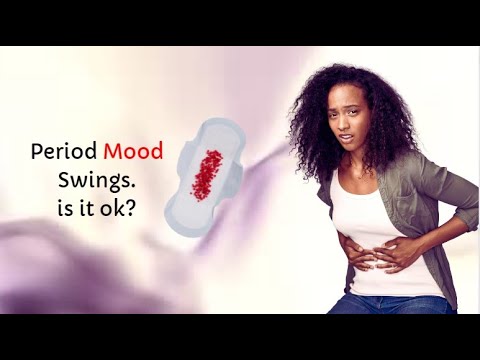
- PMS (Premenstrual Syndrome): This is often the first thing that comes to mind. You know how some days you just feel off? Well, that could be the drop in estrogen and progesterone right before your period. Many women experience irritability, anxiety, or mood swings during this time.
- Pregnancy: Talk about hormonal roller coasters! Hormones skyrocket—especially estrogen—which can lead to heightened emotions. Some days you might feel overjoyed; other days you might cry at a commercial about puppies!
- Menopause: This stage often brings about dramatic hormonal shifts as estrogen levels decrease significantly. Women may deal with hot flashes, sleep issues, and emotional challenges like increased anxiety or depression.
But it’s not just about feeling sad or moody. These hormones can also play a role in how we experience stress and handle challenges in life. For instance, when estrogen is low, cortisol—the stress hormone—can take center stage more often. That’s kind of like mixing oil and water—emotions might run higher than usual.
You might relate to this—a friend of mine once mentioned how she turned into a crying machine every month right around her period. I mean, one minute she was fine; the next she was sobbing over an old photo album! That’s a classic example of how intense those hormonal shifts can be.
This brings up an essential point: self-awareness is key! Recognizing these patterns can help you navigate them better. Maybe keeping track of your emotions along with your cycle could shine some light on those feelings when they creep up.
Moreover, there are lifestyle factors that can help balance out these emotional swings—like exercise, nutrition, and good sleep hygiene. Regular exercise boosts those feel-good hormones (think endorphins), which can act like buffer zones against the lows sometimes associated with hormonal changes.
The thing is—it all ties together: hormones impact emotions which shape our overall mental health experience. By keeping an eye on these ups and downs as part of a broader wellness strategy, you’re better equipped to handle whatever comes your way!
At the end of the day though, everyone is different; what works for one person may not work for another due to individual hormonal profiles and responses to those shifts.
So yeah—understanding this connection between emotional hormones and mental health could empower you (or someone close) to make informed choices regarding well-being!
You know, hormonal shifts are kind of a big deal. They can really mess with how you feel, and that’s something many women deal with throughout their lives. I mean, think about it: from puberty to pregnancy and even menopause, the body’s chemistry is constantly in flux.
I remember a friend of mine telling me about how she’d suddenly burst into tears over a commercial for puppy adoption right before her period. It seemed so out of nowhere! But that’s what hormones can do—they can amplify emotions or make you feel things deeply.
So, what’s going on here? Well, hormones like estrogen and progesterone play crucial roles in regulating mood. When these hormone levels fluctuate, they can cause changes in brain chemistry that lead to feelings of anxiety or sadness. It’s not just all physical; there’s this whole emotional component too. It’s like riding an emotional roller coaster where sometimes every little thing feels monumental.
And let’s not forget about how stress can throw this whole system off balance. You might feel fine one day but then the next day your hormones crash, and bam! You’re feeling irritable or anxious for what seems like no reason at all. It’s frustrating because no one really talks about it openly.
Plus, societal expectations don’t help much either. Women often find themselves trying to juggle emotional upheavals while maintaining their responsibilities—work, family, social life—all while feeling like they have to keep it together. You’ve probably seen friends going through this or even experienced it yourself.
What I’ve learned is that during these times when emotions seem heightened, just acknowledging those feelings as valid can be so helpful. It doesn’t mean something’s wrong with you; it’s just the body doing its thing!
So next time you feel irrationally teary-eyed or inexplicably irritable, remember it could be those hormonal shifts messing around in the background. It might not change your situation instantly, but at least you know you’re not alone on this wild ride!