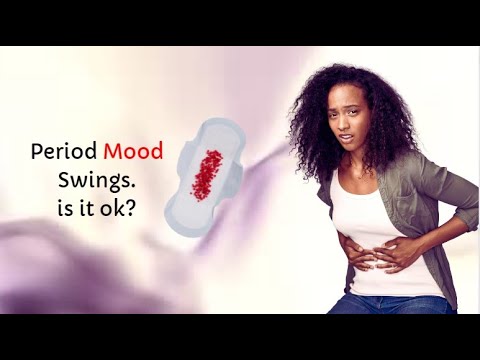
So, let’s chat about something that seems to get brushed under the rug way too often—those emotional rollercoasters we ride during our periods. I mean, one minute you’re feeling on top of the world, and the next, you’re sobbing over a sad commercial. What’s up with that?
It’s wild how what’s happening in your body can mess with your mood, right? It’s not just you; tons of people experience this.
There’s a real psychological connection going on between menstruation and our emotions. And honestly, understanding it can feel like cracking a code of sorts.
So grab a snack and let’s unravel this together!
Herbs for PMS Relief: Natural Remedies to Alleviate Symptoms
The connection between herbs and PMS relief is a pretty interesting topic. Many people experience symptoms like cramps, mood swings, and bloating, you know? And while some might reach for over-the-counter meds, others prefer to explore natural remedies. Let’s talk about some herbs that could help ease those pesky PMS symptoms.
Chamomile is a classic. This little flower is not just a lovely tea; it also has anti-inflammatory and calming properties. Many folks report feeling more relaxed after sipping on chamomile tea during their menstrual cycle. You might find it helps with anxiety and those emotional shifts that come with PMS.
Ginger can be super helpful too! It’s well-known for its ability to tackle nausea and bloating. Some studies suggest that ginger may even help reduce pain during periods. Imagine brewing ginger tea with some honey – that warmth can be soothing both physically and emotionally.
Then there’s peppermint. This herb can do wonders if you’re dealing with cramps or headaches as part of PMS. The cooling effect of peppermint tea or oil can provide relief when massaged into sore areas. Plus, the scent can lift your mood, which is great when you’re feeling cranky!
Vitex (Chaste Tree) is another one to mention. It’s often used in herbal medicine for balancing hormones. Some research suggests it might help reduce the severity of symptoms like mood swings and irritability associated with PMS, which is something many people struggle with each month.
You might also hear about dandelion. While you probably think of it as a weed, dandelion can actually aid digestion and reduce water retention. When your body feels less bloated, you might feel a bit lighter in spirit too!
Of course, herbal remedies aren’t magic cures; everyone reacts differently to them. So it’s important to pay attention to how your body responds over time. And remember that while these herbs can be helpful, they’re best used alongside other healthy habits like good nutrition and exercise.
Incorporating these herbs into your routine could provide some natural relief from those monthly ups and downs. You know? Just being mindful of what you eat or drink leading up to your period may make a difference in how you feel overall.
So the next time you’re faced with the emotional rollercoaster of PMS symptoms, consider making yourself a cup of chamomile or ginger tea instead of reaching for painkillers right away! It might be just what you need to ease those emotional shifts linked to menstruation.
Understanding Menstrual Cycle Mood Swings: A Comprehensive Chart for Tracking Emotional Changes
Understanding menstrual cycle mood swings is all about recognizing how your body’s natural rhythm can affect your emotions. It’s fascinating to see how the hormonal changes throughout the cycle can lead to emotional shifts. Let’s break it down a bit, shall we?
The menstrual cycle typically lasts about 28 days, although it can range from 21 to 35 days in some cases. Each phase of this cycle brings different hormonal fluctuations, and this is where you might notice changes in your mood.
Follicular Phase (Day 1-14): This is the start of your cycle, beginning on the first day of your period and lasting until ovulation. During this time, estrogen levels gradually rise. You might feel more energetic and sociable. It’s like you’re ready to take on the world! But then again, if you’re feeling bloated or crampy, that can dampen your spirits too.
Ovulation (Around Day 14): Right around ovulation, estrogen peaks! This phase often comes with a burst of energy and heightened sensitivity to social cues. You might feel more confident and open to meeting people. But don’t forget that some may experience anxiety or irritability during this time as well.
Luteal Phase (Day 15-28): After ovulation, progesterone kicks in and estrogen levels drop slightly. This phase can be a rollercoaster for many folks emotionally. You might feel a bit down or irritable as PMS sets in for some people. This is when cravings kick in too! Ever found yourself snacking on chocolate at midnight? Yeah… it totally makes sense now!
The thing is that everyone experiences these phases differently, so while one person might be glowing during ovulation, another could feel anxious or moody.
- Emotional Reactions: Anxiety or sadness could show up more during the luteal phase due to drops in hormone levels.
- Coping Mechanisms: Finding ways to manage mood swings could involve exercise or mindfulness practices like meditation.
- Communication: Sharing how you’re feeling with friends or partners can help them understand what you’re going through!
Recognizing these patterns allows you not just to prepare for emotional shifts but also gives you a chance to find ways to cope with them better. Tracking your mood along with physical symptoms—for instance using an app or a journal—can illuminate trends over time.
Think about it: If you’ve marked down feeling super energized on certain days before and noticed low energy in others—like getting teary-eyed while watching cat videos—it may correlate perfectly with where you are in your cycle.
In summary, understanding menstrual cycle mood swings gives insight not just into physiological changes but emotional ones too! By paying attention and tracking these fluctuations, you’re not just surviving those cycles—you’re thriving in understanding yourself better!
Understanding the Emotional Impact of the Menstrual Cycle: Exploring Its Four Phases
Understanding the emotional ups and downs that often come with the menstrual cycle is super important. You see, there are four main phases in the cycle, and each one can really affect your mood. Like, sometimes you might feel energetic and bubbly, while other times you could just want to curl up under a blanket and watch Netflix. Let’s break this down a bit.
1. Menstrual Phase (Days 1-5)
This is when your period starts. Emotionally, it can be a mixed bag. Some people feel relief or even a sense of closure as their body sheds what it no longer needs. But others might experience irritability or fatigue due to hormonal changes. It’s so common to feel a bit “blah” during this time, right? Seriously, it’s like your body decides to throw a mini tantrum while it adjusts.
2. Follicular Phase (Days 6-14)
Once your period wraps up, things start looking up! Things are often brighter in this phase thanks to rising levels of estrogen. You might notice you feel more creative and open to socializing—like that sudden urge to join a new club or reconnect with friends you’ve not seen for ages. This is when you’re most likely to tackle that project you’ve been procrastinating on!
3. Ovulatory Phase (Days 15-17)
This part of the cycle is all about peak energy and confidence! Your mood can really soar here because estrogen and testosterone levels are at their highest. You might feel more flirty or outgoing—like every interaction feels spiced up a notch. Just think about how some people talk about feeling “in their element” during this time; it’s like the hormones have thrown a party just for you!
4. Luteal Phase (Days 18-28)
Now here comes the rollercoaster part! After those highs from ovulation, some women start noticing more emotional instability as progesterone kicks in too. This phase could bring mood swings or feelings of irritability—like being on edge for no clear reason at all! You know that feeling when everything seems too much? That might be what’s happening here as your body prepares for the next cycle.
Overall, what’s fascinating is how these hormonal shifts play such a big role in our emotional landscape over just one month—and how they can affect everything from energy levels to how we relate with others.
So next time you notice those emotional waves hitting you hard around certain days of the month, remember: It’s not just in your head—it’s your hormones at play! Understanding this can help make sense of why we feel what we feel sometimes and let us be kinder to ourselves during those tougher moments.
So yeah, knowing about these phases isn’t just good information; it’s useful ammo for navigating life through each month!
You know, sometimes it feels like your emotions are playing a game of hide-and-seek, right? One minute you’re all smiles and sunshine, and the next, you’re teetering on the edge of a waterfall of tears. If you’ve ever noticed this rollercoaster while on your period, you’re definitely not alone.
It’s wild how much our bodies are connected to our feelings. Hormones are like those little quiet puppeteers pulling strings without us even realizing it. During menstruation, there’s a big honkin’ shift in levels of hormones like estrogen and progesterone. They rise and fall at such dramatic rates that it’s no wonder your mood can swing from upbeat to down in the dumps in lightning speed! When estrogen dips just before your period, it can make you feel more irritable or anxious. I remember one time right before my period—I was watching a cooking show, and for some reason, I got all emotional over someone burning their toast. Like, seriously?
And it’s not just about feeling sad; many women experience heightened feelings—whether that’s anger when someone cuts you off in traffic or pure joy during a cozy evening with friends. Your brain’s chemistry is basically having its own party up there! The ups and downs can feel intense because they’re influenced by what’s happening physically as well as what’s going on mentally.
Some folks even notice patterns over the months—those emotional shifts become almost predictable. It becomes this weird dance between physical sensations and mental states: bloating here, mood drop there… It can feel overwhelming sometimes!
But hey, it doesn’t mean you’re losing control—you’re navigating through something very natural! Recognizing these emotional shifts is powerful; it helps take away some of that sting when they hit unexpectedly! You know what I mean?
So next time you’re feeling blue or laser-focused one day and then cranky the next—remember to cut yourself some slack! Your body is doing its thing; maybe grab a cup of tea or reach out to a friend who gets it. Understanding this connection can really change how we react to those moods that come creeping around each month!