You know, mental health isn’t just some buzzword that gets thrown around. It’s real, and it matters—like, a lot. We all have those days where we just feel off, right?
But here’s the thing: understanding what’s going on in our heads can really help. It’s like putting together a puzzle. Once pieces start falling into place, everything looks a bit clearer.
So let’s chat about it. If we can raise awareness about mental health, maybe we can make things better for ourselves and others around us.
Effective Strategies for Promoting Psychological Wellbeing in Today’s Society
Promoting psychological well-being in today’s fast-paced society is super important. We live in a time when stress, anxiety, and loneliness can feel like they’re everywhere. So figuring out effective strategies isn’t just helpful; it’s essential! Let’s break it down.
Mental health awareness is a big part of this. When people understand what mental health actually means, they’re more likely to take care of their own and others’. This can lead to less stigma, which is huge. You know that feeling when you want to talk about something but worry about being judged? That’s stigma at work. Creating an open environment can really change the game.
One powerful way to promote well-being is through community support. When folks feel connected, they tend to cope better with stress. You might think of neighborhood get-togethers or online groups where people share their experiences and feelings. It’s similar to having a safety net—when you fall, you have someone there to catch you.
Another cool strategy is mindfulness practices. Ever tried focusing on your breath for just a few minutes? It sounds simple but can make a big difference! Mindfulness helps ground you and reduces racing thoughts that lead to anxiety. Apps that guide meditation or even short breathing exercises can be game changers in helping maintain well-being during busy days.
Also, getting good info out there through educational workshops helps clarify misconceptions about mental health. Think of it as spreading knowledge seeds—people learn how to identify issues and seek help instead of suffering in silence. Schools and workplaces can organize these sessions for everyone involved!
Volunteering is another impactful way to enhance well-being. Giving your time not only helps others but also boosts your mood! It creates a sense of purpose and belonging that many folks crave. Look at it like this: when you help someone else out, you often feel boosted too—it’s like an emotional high-five!
Social media has its ups and downs but using it positively can also be effective for promoting mental health awareness. Sharing stories or resources online allows people who might be struggling to find support easily. It’s fascinating how a single post can open up conversations around mental health.
Additionally, supporting access to mental health services is crucial for promoting overall well-being in communities. Whether it’s therapy options or simply having hotlines available, ensuring everybody knows where they can seek help plays an essential role in creating healthier societies.
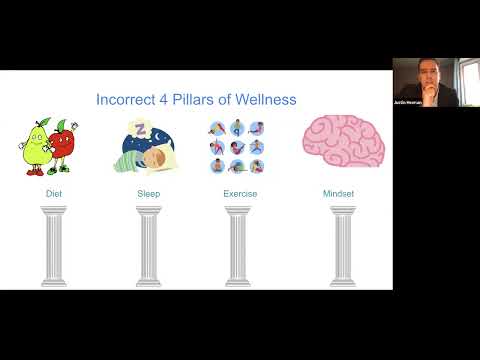
And let’s not forget the importance of a balanced lifestyle. This means eating well, exercising regularly, and getting enough sleep—not just clichés but real factors that affect how we feel mentally! When our bodies are happy, our minds often follow suit.
Anyway, the point here is about creating interconnected avenues for growth and understanding around mental health issues today! With each small change we make—whether it’s awareness campaigns or community-building activities—we’re slowly paving the way toward greater psychological well-being for everyone involved!
Understanding Mental Health: A Comprehensive Definition and Its Implications
Mental health is one of those things that people often overlook, but it’s super important. Basically, it refers to our emotional, psychological, and social well-being. You know when you’re feeling good and you can handle stress? That’s part of your mental health. On the flip side, when you feel overwhelmed or anxious all the time, that signals something might be up.
When we talk about mental health, we’re touching on how we think, feel, and act in everyday life. Our mental health affects how we make choices, relate to others, and deal with life’s ups and downs. It’s not just about being «happy» or «sad.» It also includes how we cope with stress and recover from life’s challenges.
There are a bunch of factors that influence mental health, like:
- Biological Factors: Things like genetics can play a role. If there’s a history of mental illness in your family, you might be at a higher risk.
- Life Experiences: Traumatic events or stressful situations—like losing a job or going through a divorce—can really impact your mental state.
- Cultural Influences: Your background can shape how you view mental health itself. Some cultures may stigmatize it while others promote open discussion.
You might be wondering why all this matters. Well, understanding mental health is essential because it affects everything from productivity at work to relationships with friends and family. Take Mike for example: he always seemed to be upbeat until his mom passed away. Suddenly, he couldn’t get out of bed in the morning or even enjoy his hobbies anymore. This drastic change in his behavior was a sign that he needed support.
Now let’s talk implications! Promoting awareness around mental health helps reduce stigma and encourages people to seek help when they need it. When people understand that mental health issues are just as valid as physical ones, they’re more likely to talk about their struggles openly.
In workplaces or schools where there’s an emphasis on mental well-being, you’ll often see improved productivity and better relationships among peers. Why? Because people feel comfortable expressing themselves without fear of judgment.
To wrap it up: Mental health is incredibly multifaceted—it shapes who we are and how we interact with the world around us. By recognizing its importance and spreading awareness, we can create environments where everyone feels supported in their journey toward psychological well-being! So yeah—let’s keep talking about it!
Top 10 Essential Strategies for Maintaining Your Mental Health
Mental health is super important, right? It’s like the engine that keeps our daily lives running smoothly. But sometimes, keeping that engine in tip-top shape requires a little effort. Here are ten essential strategies to help you maintain your mental health.
- Stay Connected: Having a solid support system can do wonders. Friends and family can lift you up when you’re feeling down. Just being around people who care about you makes a difference. Remember that time when you just hung out with your best friend and ended up laughing for hours? That’s the power of connection.
- Practice Mindfulness: Ever notice how chaotic life can get? Mindfulness helps ground you in the present moment. Simple techniques like deep breathing or meditating for even five minutes can ease anxiety. Think about focusing on your breath while you sip your coffee—it’s all about being aware.
- Get Active: Exercise isn’t just for getting fit; it releases those feel-good hormones called endorphins. Whether it’s a jog around the block or dancing in your living room, moving your body can boost your mood tremendously!
- Establish Routines: Routines provide structure and comfort in our lives. They don’t have to be rigid; just having some sort of daily plan can help reduce uncertainty and make things more manageable.
- Pursue Hobbies: Engaging in activities you love brings joy and satisfaction! Whether it’s painting, gardening, or playing an instrument, hobbies allow you to express yourself and relieve stress.
- Adequate Sleep: Sleep is non-negotiable for good mental health. Without enough rest, our mood takes a nosedive! Try creating a calming bedtime routine—maybe read a book or listen to soothing music before hitting the sack.
- Nourish Your Body: What we eat affects how we feel—seriously! A balanced diet rich in fruits, vegetables, and whole grains fuels not just your body but also your mind. Think of it as giving yourself premium gas instead of junk fuel!
- Laugh More: Seriously, laughter is amazing medicine! Watch funny shows or hang out with people who make you laugh. It lightens the mood and helps release tension—like having an instant chill pill.
- Acknowledge Your Feelings: It’s totally okay to feel sad or overwhelmed sometimes; don’t brush those feelings aside! Journaling or talking about what you’re going through helps process emotions instead of keeping them bottled up.
- Seek Help When Needed: Nothing wrong with asking for help when things get tough! Talking to a therapist can provide tools to navigate rough patches effectively—and hey, everyone needs support sometimes!
So there ya go—a handful of strategies that can really help keep your mental health buzzing along nicely. It’s all about taking those small steps every day towards feeling better overall—because who doesn’t want that?
You know, it’s kind of wild how much we’ve started talking about mental health lately. It used to be, like, super hush-hush. People didn’t want to admit they were struggling or even just feeling off. But now? There’s a lot more chatter going on about mental well-being, and that’s honestly a big step forward.
I remember a while back when a friend of mine, let’s call her Mia, opened up about her anxiety. She was always the life of the party—always laughing and joking around. But underneath all that fun, there was this battle she was fighting alone. When she finally shared her feelings with me and a couple of others, it felt like the air had cleared. Suddenly, we were all talking about our own struggles too. We almost created this little safe space for each other without even trying. Like when you realize you’re not alone in this chaos.
Raising awareness about mental health isn’t just about sharing facts or promoting therapy—it’s also about making real connections and understanding each other better. When people talk openly about their experiences, it brings down that awful wall of stigma that can make you feel so isolated. And guess what? The more open discussions there are around mental health, the easier it becomes for others to reach out when they need help or support.
It’s easy to forget that everyone has their own battles going on—the quiet ones might be struggling with problems you can’t see right off the bat. So promoting mental well-being is really about creating empathy and compassion among us all. And hey, being aware doesn’t mean we have to be experts—just being present for one another can make a world of difference.
So yeah, spreading awareness is super important! Whether it’s through conversations with friends or sharing resources on social media, every effort counts in making folks feel more seen and heard. It’s like planting tiny seeds of understanding in people’s hearts—each one could bloom into a bigger conversation or support system down the line.
Ultimately, when we talk openly and embrace vulnerability together, it feels kind of liberating—like we’re lifting some weight off our shoulders as we create a community where everyone feels valued and understood.