You know how sometimes, life throws us curveballs? It can feel overwhelming, right?
Well, mental health coaching is like having a buddy in your corner. One who’s there to help you figure things out.
It’s not therapy, but it’s definitely about understanding yourself better.
Imagine talking through your thoughts and feelings with someone who gets it. That’s the vibe we’re going for here.
Let’s chat about how empowering our minds can really change the game. You ready?
Understanding Empowerment in Mental Health: Key Concepts and Benefits
Empowerment in mental health is a pretty big deal, and it’s something that can really change how you see yourself and your world. The thing is, empowerment isn’t just a buzzword or some fancy concept. It’s about giving you the ability to understand your feelings, make decisions, and take charge of your mental well-being.
What does empowerment mean? Basically, it’s all about gaining control over your life choices. It’s like when you finally decide to stop letting others dictate your actions or thoughts. You start recognizing that you have a voice and that what you think and feel matters.
Think of a time when you faced a tough decision and felt trapped. Maybe it was about changing jobs or ending a relationship. When you empower yourself, instead of feeling stuck, you’re able to weigh options clearly and choose what feels right for you.
So what are some key concepts related to empowerment in mental health? Here are a few worth mentioning:
- Self-awareness: Knowing how you feel and why helps in recognizing patterns in your behavior. It’s like being the detective of your own life!
- Education: Understanding mental health challenges can boost confidence. You realize you’re not alone and there are ways to cope.
- Support systems: Surrounding yourself with supportive people makes a huge difference. That could be friends, family, or even community groups.
- Goal setting: Setting small achievable goals can provide motivation. When you reach them, it’s like hitting mini milestones on the way to bigger dreams!
Now let’s talk about the benefits of this whole empowerment journey. It’s important because it leads to positive mental health outcomes! Here are some benefits:
- Improved self-esteem: When you’re making choices for yourself, your confidence grows.
- Greater resilience: You become better equipped to handle setbacks when they happen.
- A sense of control: Empowerment gives you back that feeling of being in the driver’s seat of your life.
- Status quo challenge: People start questioning norms instead of just accepting them blindly.
Imagine standing up for what matters to you after years of silence—that’s empowering!
Also, it’s not all sunshine and roses; empowerment looks different for everyone! For one person, it might mean seeking help when they’re struggling; for another, it could be learning new coping strategies or simply taking time for self-care.
But remember: empowerment doesn’t happen overnight; it’s more like planting seeds that take time to grow. You’re building foundations through self-reflection and gradual changes in how you think about yourself.
In short, understanding empowerment in mental health is about finding strength from within & embracing who you truly are! Whether it’s managing anxiety or overcoming stressors in daily life—when you’re empowered, you’re ready to face anything head-on!
Understanding Mental Health: A Comprehensive Overview in Psychology
Mental health is like the foundation of a house. If it’s solid, you can build a life that feels stable and secure. But if there are cracks, everything feels shaky. You know what I mean? It’s kind of like when you’re feeling anxious or sad; those feelings can make everyday life seem rougher than it really is.
- What is Mental Health? It’s more than just the absence of mental disorders. Think of it as your emotional, psychological, and social well-being. It affects how you think, feel, and act in your daily life. Everything from making choices to handling stress hinges on your mental health.
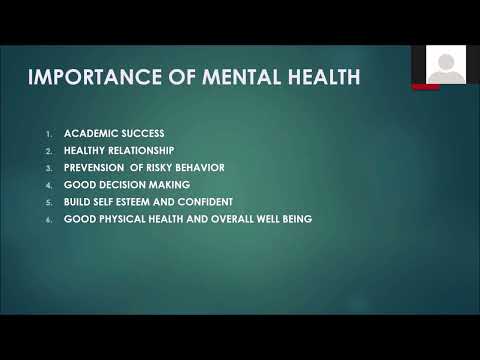
- Why It Matters Good mental health helps you lead a fulfilling life. When you’re mentally healthy, you can manage stress better and connect with others more easily. You know those times when you’re in a funk? It’s hard to enjoy things or even get stuff done.
- Mental Health Disorders Unfortunately, sometimes things get outta whack. Conditions like depression, anxiety disorders, and bipolar disorder come into play. These aren’t just phases; they’re real health issues that need understanding and compassion.
- The Stigma There’s still a lot of misunderstanding around mental health. People often shy away from discussing it or think that asking for help means something’s wrong with them. Seriously though—everyone has rough patches! It doesn’t mean you’re weak; it means you’re human.
- Coping Strategies So how do we deal with all this? The tools are plentiful! Techniques like mindfulness or therapy can be incredibly helpful for managing emotions and thoughts effectively.
I remember a friend who struggled with anxiety—it was tough for her to go out in social situations. She felt isolated but eventually sought help through therapy. With support, she learned coping mechanisms that helped her tackle her fears one step at a time.
Mental health isn’t just an individual issue; it’s societal too! Communities play an important role in creating environments where people feel safe discussing their struggles without judgment.
If we talk about *empowering minds*, it’s about equipping ourselves and each other with knowledge about mental health because understanding leads to acceptance—of ourselves and others! When we learn more about this stuff together, we start to break down barriers.
So next time someone mentions feeling down or anxious, remember: they’re not alone in how they feel. This journey towards understanding mental health is ongoing for everyone! After all, we’re all trying to navigate this complicated world together one day at a time.
You know, when it comes to mental health coaching, it’s like opening a door to a brighter room filled with possibilities. I mean, it’s really fascinating how guiding someone through their thoughts and emotions can transform their entire outlook on life.
Take my friend Sarah, for example. A couple of years ago, she felt completely stuck—like she was juggling flaming torches while blindfolded. Anxiety ruled her days and self-doubt loomed over her like a dark cloud. Then she decided to try mental health coaching. Honestly, at first, she was skeptical—who could blame her? But gradually, with the help of her coach, she discovered tools to understand herself better and manage those swirling thoughts.
What hit me the most is how empowering it was for her. It wasn’t just about someone telling her what to do—it was more like having a guide who held up a mirror so she could see her own strengths and weaknesses more clearly. And that’s what’s cool about this whole concept: It’s tailored to each person! You’re not getting one-size-fits-all advice but rather exploring your unique path with someone by your side.
This approach can make such a difference in the way people view their challenges. Instead of feeling overwhelmed by obstacles, they start seeing opportunities for growth and change. Like Sarah eventually did; she shifted from feeling lost to embracing new challenges with excitement instead of fear.
So yeah, mental health coaching isn’t just about fixing problems; it’s about empowering you to navigate life in a healthier way. At its core, it’s all about connection—between you and yourself—and between you and the coach guiding you along that journey. And let me tell ya, that connection is powerful!