So, let’s talk about something heavy—depression. You know, that feeling of just being stuck? Like, you’re wading through mud and it’s hard to shake off.
It can feel isolating, right? You’re not alone in this struggle. Seriously. A lot of people grapple with it, even when they don’t show it.
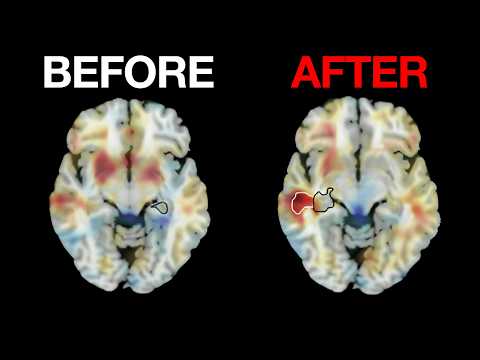
But what’s even more interesting is how our brains work during these times. It’s like there’s a whole psychological dance happening behind the scenes.
And we really need to unpack that! Understanding what’s going on up there can make things a little less scary. It might even help you or someone you care about find a way through it all. So, stick around!
Exploring the Four Primary Causes of Depression: Insights and Understanding
Depression is like a heavy fog that rolls in and makes everything feel gray. From personal experiences to the research out there, it’s clear that there are different reasons people might feel this way. Let’s break down four primary causes of depression to get a better understanding.
- Biological Factors: These are all about the chemicals in your brain. Things like genetics play a big role here. If someone in your family dealt with depression, you might be at higher risk, too. It’s kind of like inheriting eye color but way more complex. Imagine growing up watching a family member struggle; it creates this invisible weight you carry with you.
- Psychological Factors: Think about how your thoughts can shape your feelings. People who have negative thought patterns, like always thinking they’re not good enough, can spiral into depression. Ever felt like nothing ever goes right? That feeling can become a habit, and before you know it, it sticks around.
- Environmental Factors: Your surroundings play a big part too! Stressful situations—like losing a job or going through a rough breakup—can contribute significantly. Picture this: you’ve just lost your job, and on top of that, your best friend moved away. It can feel overwhelming when life throws so much at you at once.
- Social Factors: Humans are social creatures; we thrive on connection! Isolation or lack of support can lead to feelings of loneliness and even depression. Think about being in a room full of people yet still feeling alone; it’s easy to slip into darker thoughts when you don’t feel connected.
Understanding these causes is just one part of the puzzle. Each person’s experience with depression is unique and shaped by their own story—like the chapters in a book that only they can tell. So next time someone talks about their struggle with depression, remember these factors could be influencing their journey.
Effective Psychological Treatments for Managing Depression and Anxiety
Managing depression and anxiety is a challenge many face, and there’s no magic wand to wave it away. But understanding a few effective psychological treatments can really make a difference. Let’s break this down into some key points.
Cognitive Behavioral Therapy (CBT) is one of the most well-known approaches. The idea behind CBT is straightforward. It focuses on changing negative thought patterns and behaviors that contribute to feelings of depression and anxiety. For example, say you often think, “I’m a failure.” CBT helps you identify that thought, challenge it, and replace it with something more positive, like “I’m doing my best.” Like reprogramming your brain!
Another effective treatment is Mindfulness-Based Therapy. This approach encourages you to stay in the present moment without judgment. So if you’re feeling overwhelmed by anxious thoughts about the future or sad feelings about the past, mindfulness teaches you to acknowledge them without getting caught up in them. Think of it as watching your thoughts float by like clouds rather than getting swept away by a storm.
Interpersonal Therapy (IPT) is another solid option. It focuses on improving personal relationships and social functioning that may be impacting your mood. Let’s say your friend moved away, leaving you feeling isolated—IPT explores how this affects your emotions and helps you develop better ways to communicate with others so you can feel more connected.
Then there’s Dialectical Behavior Therapy (DBT). Originally designed for people struggling with severe emotional issues, DBT combines cognitive-behavioral techniques with mindfulness strategies. You learn to tolerate distressing emotions instead of just trying to avoid them or react impulsively. Just imagine someone teaching you how to ride the waves rather than fearing the ocean!
Next up is Acceptance and Commitment Therapy (ACT). Here’s where it gets interesting: instead of trying to push away negative feelings or thoughts, ACT encourages you to accept them while committing yourself to take action towards your values despite those feelings. It’s like saying, “Yeah, I’m feeling anxious right now, but I still care about going out and having fun with friends.”
Let’s not forget about group therapies too! Sharing experiences with others can lessen feelings of isolation. Sometimes just knowing you’re not alone in how you feel makes things less daunting.
Remember though; what works for one person might not work for another. Everyone’s brain is different! Finding the right treatment means exploring options until something clicks into place for you.
In summary:
- Cognitive Behavioral Therapy helps change negative thought patterns.
- Mindfulness helps focus on the present moment.
- Interpersonal Therapy improves relationships.
- Dialectical Behavior Therapy teaches emotional tolerance.
- Acceptance and Commitment Therapy emphasizes accepting feelings while pursuing values.
- Group therapies offer community support.
So if you’re grappling with depression or anxiety, know that help is out there! You just gotta find what fits best for your unique situation—you’re worth it!
Understanding the Legal Implications of Depression Testing: Rights, Regulations, and Responsibilities
When we talk about depression testing, it’s important to look at the whole picture. There are some serious legal implications tied to how we test for, diagnose, and treat depression. Let’s break it down a bit.
First off, your rights matter a lot here. If you’re getting tested for depression, you should know that you have the right to privacy. Basically, any information about your mental health is just that—yours. No one can just spill the beans without your permission. Plus, there are regulations in place designed to protect this kind of sensitive information. Think about HIPAA in the U.S.—it lays out some solid rules about keeping health info confidential.
Along with rights come responsibilities, and that’s where things can get tricky. When a doctor or mental health professional conducts depression testing, they need to follow certain guidelines too. For instance:
- Informed Consent: Before diving into any tests or assessments, medical professionals have to explain what they’re doing and why. You should feel like you’re part of the process—not just a bystander.
- Accurate Diagnosis: The testing methods must be valid and reliable. This means they have to truly measure what they claim to measure without leading to incorrect conclusions.
- Cultural Sensitivity: Different cultural backgrounds can influence how people experience and express depression. So professionals need training on this aspect when doing assessments.
Now let’s not forget about the duty of care. Mental health professionals must provide a standard level of care during assessment and treatment. If they don’t meet these standards and something goes wrong—say someone suffers harm due to negligence—they might find themselves facing legal consequences.
You might wonder what happens if you disagree with your assessment or diagnosis? Well, you’ve got options! You have every right to seek a second opinion from another professional if something doesn’t sit right with you. It’s totally acceptable to want clarity or even contest a diagnosis if it feels off.
Anecdotally speaking, I remember talking with a friend who went through this experience herself. She felt miserable after being diagnosed quickly without fully understanding her options for treatment or even why she was considered depressed in the first place! Once she sought another opinion, she felt empowered—and that made all the difference.
In terms of regulations, many countries have legislation specifically addressing mental health services. For example, in places like Canada and Australia, there are comprehensive laws designed not only for patient rights but also ensuring quality care is delivered consistently across various healthcare settings.
So when discussing depression testing, it’s all intertwined: your rights as a patient shape the responsibility of providers, along with rigorous regulations governing both sides of the equation. Staying informed can help ensure you’re treated fairly while navigating the sometimes complicated world of mental health!
So, let’s talk about depression. You know, it’s one of those things that can feel a bit like an invisible weight on your shoulders. People often think it’s just about feeling sad all the time, but honestly, it’s so much more complex than that.
When you look at it from a psychological perspective, it’s like peeling back the layers of an onion. You might feel low energy, have trouble sleeping or sleeping too much, or even lose interest in stuff you usually love. But there are also thoughts and feelings swirling around in your head that can make everything feel darker—even if things look okay on the outside.
I remember this one time when a friend of mine was going through a rough patch. On the surface, everything seemed fine—work was good, and social life was buzzing. But underneath? She was fighting a battle nobody could see. She’d say things like “I just can’t get out of bed,” or “Why does everything feel pointless?” It really struck me how her brain was telling her one story while her life looked like another.
In psychology, they break things down into different theories and models to help us understand what’s going on inside our heads. For example, cognitive-behavioral theory focuses on how our thoughts influence our feelings and actions. If you’re constantly thinking negative thoughts—like believing you’re not good enough—it can create this vicious cycle that just pulls you down further.
And then there are biological factors to think about too! Sometimes it’s about brain chemistry; neurotransmitters like serotonin and dopamine play big roles in how we feel day-to-day. Some folks might have a genetic predisposition that makes them more likely to experience depression.
But here’s the thing: no two experiences are alike. What feels overwhelming for one person could be completely different for someone else who faces similar circumstances. The struggle is real and unique for everyone dealing with it.
Of course, understanding depression isn’t just about knowing the theories or brain science—it’s also about empathy and connection. It helps to talk to someone who gets it or who cares enough to listen without judgment. Because honestly? Feeling seen can be a game-changer when you’re in that dark place.
So yeah, through this lens of psychology, we start to see how complicated depression really is—a mix of feelings, thoughts, biology, and individual experiences all tangled up together. It reminds us that if you’re struggling or know someone who is? You’re definitely not alone in this whirlwind of emotions; there’s always light at the end of the tunnel—even if sometimes it’s super hard to spot it when you’re deep in those shadows.